

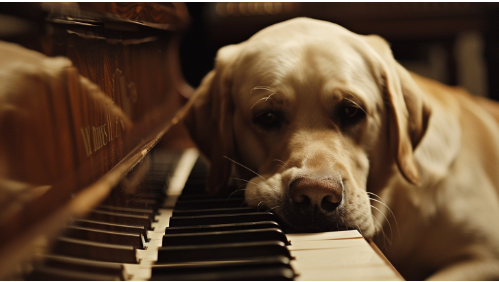
Classical music soothes, enriches, and benefits pets—learn how Mozart and Vivaldi can improve furry friends’ lives.
Introduction
Do you ever walk through your living room and notice your cat snoozing peacefully on the couch to the tune of Vivaldi’s Four Seasons? Or catch your dog resting calmly instead of barking when you put on tracks from Brahms? Our pets may not headbang at rock concerts, but evidence shows they reap many benefits from listening to classical music.
Classical music has a range of positive effects that can improve your pet’s quality of life. The soothing properties bring stress relief, the mentally stimulating qualities sharpen their minds, and the overall enrichment creates happier, healthier furry friends. Keep reading to learn more about how exposure to the likes of Bach, Mozart, and Beethoven could be just what your pet needs to thrive.
Quick Overview
| Key Benefits | Genres & Composers | How To Use |
| Reduces stress | Baroque – Vivaldi, Bach | 30-45 min sessions |
| Boosts cognition | Classical – Mozart | Pet-friendly speakers |
| Fosters wellbeing | Romantic – Brahms | Notice engagement signs |
The Soothing Effects of Classical Music
Do you know how listening to your favorite tunes melts away tension after a long day? Well, science confirms classical music offers the same stress relief perks for pets.
Effects on Different Pets
- Dogs:
- May snooze more soundly when Vivaldi is playing in the background
- Research shows canines exposed to classical music for several weeks displayed significant decreases in stress behaviors like whining, chewing, and barking
- The mellow tunes likely activated their parasympathetic nervous systems—responsible for rest, recovery, and digestion—thereby inducing relaxation
- Cats:
- Benefit from the calming qualities of classical music
- Shelters often play soft classical music to help new feline residents adjust to their unfamiliar surroundings
- The gentle sounds help cats in stressful environments feel more at ease
- Small Pets:
- Guinea pigs and birds enjoy a happier state of mind with classical music
- Slower tempos and gentle melodies likely remind them of comforting sounds like a mother’s purring or chirping in nature
- The familiarity sets anxious minds at ease
Tip: If your high-strung hound or nervous kitty seems on edge, cue up the classics! The harmonious sounds will help tune their tension down a notch or two.
The Science Behind Soothing Effects
But how exactly does classical music impart such relaxing effects on pets? The answers involve both psychological and physiological responses.
Psychological Effects
- Taps into pets’ innate appreciation for order, predictability, and organization
- The balanced rhythms, repetition, and mathematical precision characteristic of classical compositions likely impart a comforting sense of structure
- We know pets discern patterns very well—just think of your dog anticipating walk time or your cat meowing for regularly scheduled feedings
- Classical music essentially extends these predictable patterns pets find reassuring
Physiological Responses
- Influences nervous system responses
- Specifically calms the fight or flight sympathetic branch while activating the rest and digesting parasympathetic counterpart
- Slow, gentle classical music cues pets’ brains and bodies to relax into:
- Lower heart rates
- Decreased blood pressure
- Relaxed muscle states are ideal for unwinding
Choosing Calming Classical Pieces
Want to harness classical music’s soothing effects? Lean into these most calming genres and composers:
- Baroque:
- Bach, Vivaldi, Handel
- Try: Concertos, sonatas, preludes
- Classical Era:
- Mozart, Haydn
- Try: Piano concertos, string quartets
- Romantic Era:
- Chopin, Debussy
- Try: Nocturnes, preludes, etudes
- Modern Era:
- Ravel, Satie
- Try: Intimate piano and chamber music
Tips for Selection:
- Prioritize compositions featuring solo instruments like piano or violin over dense orchestral arrangements
- Slower adagio tempos in minor keys also impart peaceful qualities
- Monitor your pet’s reactions to determine which pieces make them most mellow
Signs of Soothing:
- Relaxed muscles
- Deep breathing
- Closed eyes
- Minimal fidgeting
Remember: Lean into the composers and compositions that cue your pet’s version of a spa day!
Cognitive and Behavioral Benefits
In addition to soothing effects, classical music also sharpens pets’ minds—stimulating brain activity to impart cognitive and behavioral benefits.
Benefits for Dogs
- Better short-term memory
- More successful problem-solving abilities
- Improvements in tasks like negotiating obstacle courses (compared to control groups in silence)
Benefits for Cats
- Improved learning capacities
- Greater interest, focus, and problem-solving success rates in food puzzle games
General Behavioral Improvements
- Reduced unwanted pet conduct issues like aggressive tendencies and hyperactivity
- Owners report dramatically reduced behavioral problems in pets that listen to Beethoven and Vivaldi regularly
By tapping into classical music’s mentally stimulating effects, you can help sharpen your pet’s intellect and reinforce better manners. It’s brainpower-boosting enrichment!
Examining the Cognitive Impacts
You may be wondering exactly how classical music produces such profound mental enrichment effects. Let’s break down the fascinating science:
- Increased Neurochemicals:
- Listening spikes production of key learning neurochemicals like serotonin, dopamine, and norepinephrine
- These strengthen memory, motivation, and attention
- Enriched Environments:
- The novel, engaging sensory input classical music provides enriches pets’ worlds for optimal mental development
- Similar to providing interactive toys
- Rhythmic Synchronization:
- The consistent rhythms entrain pets’ neural activity into synchronized brainwave states ideal for heightened cognition
- Pattern Recognition:
- Identifying repeating motifs engages pets’ innate pattern recognition abilities for improved information processing
As you can see, the combination of boosted neurochemicals, enriched sensory input, synchronized neural firing, and pattern recognition gives pets’ brains a stellar mental workout!
Choosing Mentally Stimulating Pieces
Want to tap into classical music’s brain-boosting potential? Opt for these energizing composers and genres:
- Baroque:
- Vivaldi, Bach, Handel
- Try: Fast concertos, fugues, dance suites
- Classical Era:
- Mozart, Haydn
- Try: Upbeat sonatas, symphonies, string quartets
- Romantic Era:
- Brahms, Strauss
- Try: Rousing Hungarian Dances, waltzes
- Modern Era:
- Stravinsky, Copland
- Try: Pulsing Rite of Spring, Appalachian Spring
Tips for Selection:
- Favor brisk tempos in major keys featuring lively rhythms and multiple instruments
- Monitor pets for signs of energized engagement:
- Perked up ears
- Alert eyes
- Focused attention
- Excited movements
Fostering Happier and Healthier Pets
In addition to calming and cognitive effects, classical music also generally nurtures happier and healthier pets with improved overall well-being.
Emotional Benefits
- Enhances pets’ overall emotional states for brighter, cheerier dispositions
- Creates a tail-wagging, purring bundle of joy to come home to
Physical Health Benefits
- Research reveals old dogs living in homes with constant classical music live longer on average compared to non-musically stimulated peers
- The enriching environment likely bolsters cardiac health and immune function
By making classical music part of your pet’s routine, you provide mood-lifting, life-enhancing enrichment for fuller, happier lives from beginning to end.
Happier Pets Overall
Want the specifics on how classical sounds promote happier pets? Let’s break it down:
- Reduced Stress Hormones:
- Soothing music decreases cortisol and adrenaline levels in relaxed, happy states
- Boosted Serotonin:
- Uplifting classical pieces spike serotonin levels to elevate moods
- Increased Oxytocin:
- The social bonding hormone surges to mimic companionship effects
- Enriched Environments:
- Novelty of new sounds provides brain-stimulating enrichment
- Consistent Routines:
- Regular listening sessions provide a comforting structure
As you can see, classical music ticks all the boxes for fostering happier pets by influencing key hormones, neurotransmitters, neural pathways, and environmental factors that regulate mood.
Healthier Pets Overall
Classical music also imparts an array of physical health benefits:
- Lowered Heart Rate and Blood Pressure:
- Soothing music cues relaxation responses for less stress on the cardiovascular system
- Decreased Inflammation:
- Melodies reduce pro-inflammatory stress hormones
- Increased Immune Function:
- Enrichment bolsters antibodies and white blood cells to fight illness
- Improved Sleep:
- Gentle classical music synergizes with melatonin cues for deeper, more restorative sleep
- Increased Motivation:
- Upbeat classical pieces can motivate pets to exercise more
By reducing biological stress responses, decreasing systemic inflammation, amping up immunity, supporting healthy sleep patterns, and providing motivation to move, classical music promotes better physical health!
Which Classical Music Genres and Composers Do Pets Enjoy?
Now that you know the many perks of classical music for pets, which specific genres, composers, and instruments should you choose for playtime? While people’s music preferences vary widely, pets seem to converge around certain styles.
Baroque Era Appeal (1600-1750)
- Strikes the perfect balance between soothing and mentally invigorating for pets
- Prominent harpsichord features steady rhythms and tempos ideal for relaxation
- Uplifting concertos and melodious suites give pets’ minds a healthy workout
Pet Preferences:
- Dogs: Adore Vivaldi’s Four Seasons concertos with the violin’s singing strings evoking thumping wagging tails
- Cats: Curl up contentedly to Bach’s lively Brandenburg concertos and peaceful preludes
- Small pets: Parakeets sing along to Handel’s Water Music lively dance suites
Favored Instrumentation:
- Woodwind and string sections of the Baroque orchestra
- Flutes, oboes, violins, and cellos seem to resonate most pleasingly with pets’ hearing sensitivities and musical preferences
Tail-Wagging Classical Era Greats (1750-1820)
- Composers like Haydn, Mozart, and Beethoven honed the structural perfection of Baroque innovators into more dramatic yet still symmetrical orchestrations
- Pets respond well to the emotional range of Classical era greats
Pet Preferences:
- Dogs: Relax to Mozart’s elegant piano concertos with soothing string accompaniments, but also get a kick out of the playful Presto movements
- Cats: Purr contentedly during peaceful Adagio sections and perk up their ears when the music intensifies
Favored Instrumentation:
- Piano dominates, overtaking the harpsichord
- The versatile dynamics and singing tone please pets
- Pets still favor string sections like violins and cellos over booming brass and woodwinds
Captivating Romantic Era Compositions (1815-1910)
- Takes classical music to sweepingly epic proportions
- Composers like Chopin, Tchaikovsky, and Brahms use lavish orchestrations and a wider emotional range compared to preceding periods
Pet Preferences:
- Cats: Curl up for catnaps to Chopin’s intimate piano compositions
- Dogs: Relax to Tchaikovsky’s swelling symphonies but also get moving to lively dances like the Nutcracker Suite
Favored Instrumentation:
- Gentle solo instruments have very soothing effects
- Smaller chamber groups still reign supreme
- As sensitive-eared beings, pets prefer peaceful string quartets to thundering full orchestras
Intriguing Modern Era Offerings (20th century)
- Incorporates new musical languages like dissonance, atonality, minimalism, and electronic integration
- Think trailblazers like Stravinsky, Glass, Reich, and Riley
Pet Preferences:
- Pets generally prefer the more melodic modern offerings to jarringly atonal pieces
- Cats: Respond well to Debussy’s impressionist compositions like Reverie with soothing musical textures resembling purring
- Dogs: Relax to Ravel’s shimmering impressionist works like his dreamy String Quartet
Favored Instrumentation:
- Electronics often prove too harsh and foreign for pets’ musical palates
- Small ensembles and inventive percussive rhythms appeal in measured doses
In summary, pets resonate most of the Baroque, Classical, and Romantic eras, with certain modern composers sprinkled in. Slower solo instrument compositions tend to be most relaxing, while lively orchestral pieces provide invigorating mental enrichment. Mix up your pet playlist to reap both benefits!
Creating Your Pet’s Perfect Classical Playlist
Want to curate an ideal classical soundtrack for your furry BFF? Follow this framework as your composing guide:
- Identify Pet Peeves and Preferences
- Get to know your pet’s unique musical tastes
- Note specific instruments, composers, tempos, and rhythms that make them swoon or perk up their ears
- Tailor the playlist to their favored sounds
- Prioritize Relaxation
- Since stress relief is a top benefit of classical music for companion animals, emphasize soothing selections to help pets deeply chill out
- Slower solo piano and string-focused pieces in minor keys are ideal
- Sprinkle in Upbeat Favorites
- Once you’ve covered relaxing bases, incorporate some energizing picks to pique your pet’s interests and give their brains a workout
- Faster concertos, dance suites, or rhythmic modern pieces provide lively enrichment
- Keep It Concise
- Resist the urge to create an epic 10-hour playlist!
- Curate your pet mixtape into digestible chunks appropriate for short listening sessions
- Anywhere from 30-90 minutes is ideal
- Put It on Repeat
- Pets appreciate predictability
- The familiarity of hearing the same playlists on repeat creates a comforting sense of structure
- Save your adventurous listening for your playlist!
Follow this framework to curate the perfect classical soundtrack to enrich your pet’s days and nights!
Sample Soothing Classical Playlist
To give you inspiration for relaxing playlists, here is a sample tracklist:
- Chopin – Nocturnes
- Debussy – Clair de Lune
- Bach – Cello Suites
- Vivaldi – Four Seasons, Winter Concerto
- Brahms – Lullaby
- Satie – Gymnopedies
- Schubert – Ave Maria
- Mendelssohn – Songs Without Words
Sample Invigorating Classical Playlist
And here is an energizing sample playlist:
- Vivaldi – Four Seasons, Spring & Summer Concertos
- Mozart – Eine kleine Nachtmusik
- J. Strauss II – Blue Danube Waltz
- Rossini – William Tell Overture
- Bizet – Carmen Suite
- Dvorak – New World Symphony
- Grieg – Morning Mood
- Smetana – The Moldau
Explore these pet-approved composers and compositions to create the perfect custom classical soundtrack!
Tips for Playing Classical Music for Pets
Want to start a classical listening routine for your furry friend? Here are some quick tips to get the most out of music time:
Mind the Volume
- Since pets have sensitive hearing, play music at moderate volumes to avoid discomfort
- Create a soothing soundscape, not an abrasive aural assault!
- Stick to ambient levels comparable to your speaking voice
Limit Listening Session Length
- Avoid marathon listening sessions
- About 30-45 minutes at a moderate volume is ideal for most pets to reap benefits without overstimulation
- Break up the music into short sessions a few times daily
Consider Pet-Specific Music Delivery
- Instead of blasting living room surround sound, look into pet-friendly delivery systems
- Special pet music speakers, beds, and toys allow more intimate enjoyment
- These systems limit volume and reverberation issues
Pay Attention to Signs of Enjoyment
- Notice when your pet seems most relaxed and engaged with the music
- Positive signs include:
- Tail wagging
- Purring
- Lack of pacing
- Alert ears and eyes
- Relaxed muscles
- Deep breathing
- Lean into what makes their experience positive
Make It a Soothing Ritual
- Incorporate classical music listening into relaxing rituals your pet enjoys, like:
- Mealtimes
- Pre-bedtime cuddling
- Brushing sessions
- The pairing synergizes into an even more comforting, enjoyable experience
Start Enriching Your Pet’s Life with Classical Sounds!
After learning about the multitude of benefits, aren’t you eager to start your pet’s classical music journey? Help them lead more enriched lives with beautiful sounds that both body and mind will appreciate.
Next Steps:
- Observe which genres, composers, and instruments your furry companions fancy most
- Let their contented purrs and tail wags guide the way to musical happiness!
- Need guidance getting started? Check out my custom pet-approved classical playlists here
I would love to hear your pet music success stories! Share how classical sounds have improved your pet’s quality of life. And please reach out with any questions as you begin this soothing, stimulating, and uplifting new routine. Here’s to happier pets thanks to the gift of music!
Additional Questions About Classical Music Benefits for Pets
Still, have some lingering questions about how to use classical music to better your pet’s life? Here I’ll tackle some frequently asked questions:
Frequently Asked Questions
- What classical music do pets like best?
- Pets prefer Baroque, Classical, and Romantic era works by composers like Vivaldi, Bach, Mozart, and Brahms
- They favor slower solo instrument compositions for relaxation and lively orchestral pieces for mental enrichment
- How does classical music help pets?
- Classical music soothes pets by activating relaxation responses
- It also stimulates cognitive abilities and overall well-being through enriched environments and neurochemical releases
- What volume should I play for pets?
- Use moderate, ambient volume comparable to your speaking voice
- Play music for 30-45 minutes at a time to avoid overstimulation
- Should music be on all day for pets?
- No, marathon listening sessions are not advisable
- Break classical music time into 30-45 minute chunks a few times daily for ideal benefits
- Are special pet music speakers better?
- Yes. Pet-specific music systems limit harsh reverberation and allow more intimate, digestible enjoyment for pets with sensitive hearing
- How do I know my pet enjoys the music?
- Signs like relaxed muscles, purring, lack of pacing, alert eyes and ears, tail wagging and deep breathing signal your pet is engaged and enjoying the classical sounds
- What classical pieces make the best pet playlist?
- Prioritize relaxing solo piano and string works, like Chopin’s Nocturnes and Vivaldi’s Four Seasons
- Then sprinkle in lively concertos, dances, and waltzes by composers like Mozart, Strauss, and Tchaikovsky
Remember, every pet is unique. Observe your furry friend’s reactions and adjust your classical music selections accordingly to create the perfect pet-friendly playlist
