

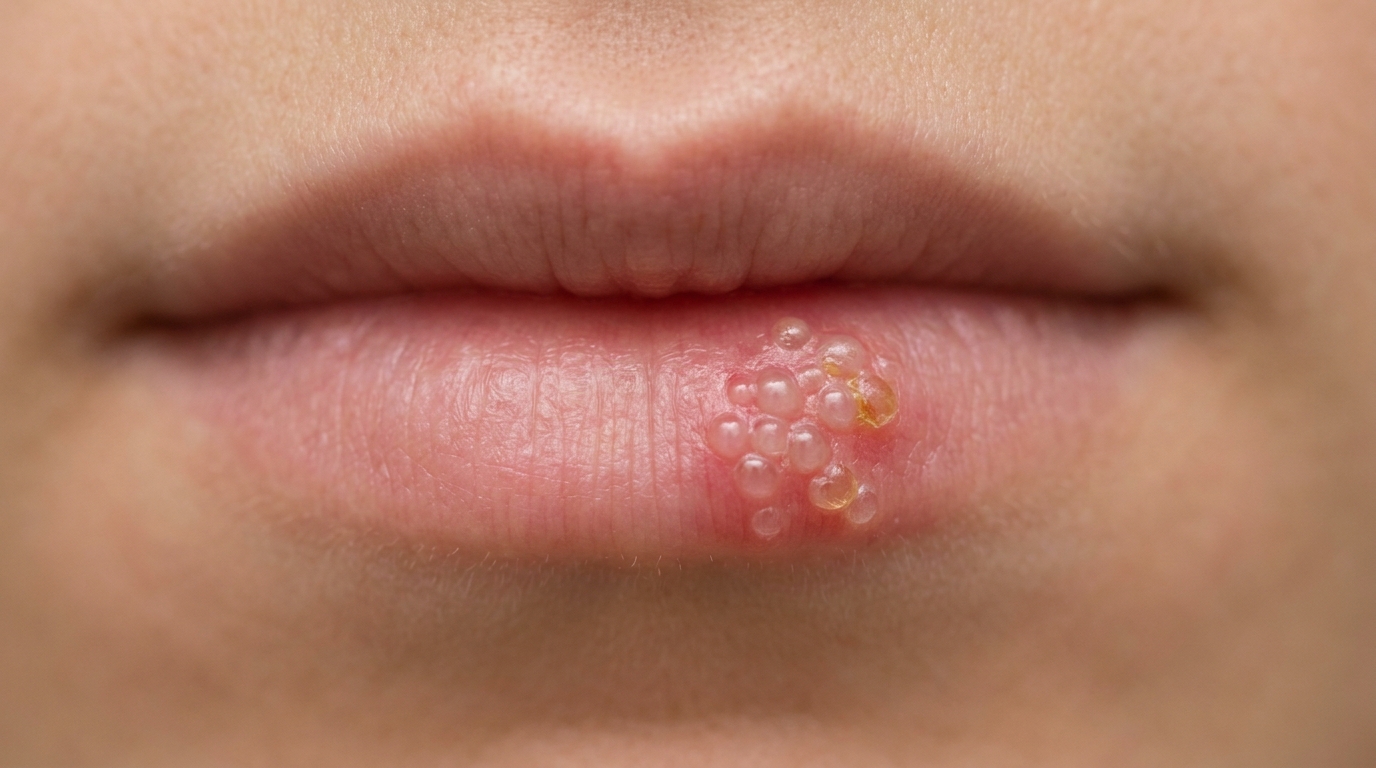
Cold sores are far more than a minor skin irritation. They are the visible manifestation of the Herpes Simplex Virus Type 1, a pathogen remarkable for its ability to establish lifelong residency within the human nervous system. Once the initial infection occurs, the virus travels along sensory nerve fibers to the trigeminal ganglion, a cluster of nerve cells near the ear. Here, it enters a state of latency, effectively hiding from the immune system.
The biological brilliance of the virus lies in its ability to remain dormant until specific physiological or environmental factors trigger a reactivation. When the virus wakes up, it travels back down the nerve path to the surface of the skin, usually around the lips or nose, where it begins to replicate rapidly. This replication causes the characteristic tingling, blistering, and eventual crusting that defines a cold sore outbreak. For many individuals, these episodes are infrequent, but for a significant portion of the population, the virus reactivates with frustrating regularity.
The Lifecycle of a Viral Outbreak
The typical progression of a cold sore follows a predictable five stage cycle. It begins with the prodromal stage, characterized by a distinct tingling or burning sensation. This is followed by the vesicle stage, where small, fluid filled blisters appear. The third stage is the weeping or ulcer stage, which is the most painful and contagious period. The fourth stage involves the formation of a crust or scab, and finally, the healing stage occurs as the skin regenerates. Understanding this cycle is crucial because traditional treatments often focus on the later stages, whereas preventive strategies aim to stop the cycle before the prodromal phase even begins.
The Physical and Psychological Impact of Recurrent Outbreaks
While the physical discomfort of a cold sore is undeniable, the psychological burden is often underestimated by those who do not suffer from frequent recurrences. A cold sore is a highly visible mark that can lead to significant social anxiety, withdrawal, and a decrease in self esteem. For professionals who interact frequently with the public or for individuals in the dating world, an outbreak can feel like a major setback.
Recurrent outbreaks are defined generally as having six or more episodes within a single year. At this frequency, a person might spend a significant portion of their life either healing from a sore or anticipating the next one. This constant state of vigilance creates a cycle of stress, which ironically acts as a primary trigger for further viral reactivation. The goal of modern medical intervention is to break this cycle, restoring both skin health and peace of mind.
The Mechanism of Aciclovir as an Antiviral Shield
Aciclovir represents a milestone in antiviral pharmacology. It is a nucleoside analogue that specifically targets the machinery the virus uses to copy its DNA. The genius of Aciclovir is its selectivity. It remains inactive in healthy human cells and is only converted into its active, virus killing form by an enzyme produced by the Herpes Simplex Virus itself. This means the drug is highly effective at stopping viral replication while remaining exceptionally safe for the host cells.
When used as a preventive measure, Aciclovir maintains a consistent level of the medication in the bloodstream. This creates an environment where, even if the virus attempts to reactivate and travel down the nerve, it is immediately met with a barrier that prevents it from replicating successfully at the skin surface. This suppressive approach is fundamentally different from using a topical cream after a blister has already formed. By utilizing services like Post My Meds to access professional guidance and treatment, patients can transition from reactive care to proactive prevention.
Strategic Prophylaxis vs Reactive Treatment
Most people are familiar with reactive treatment, which involves applying a cream or taking a high dose of antiviral pills once a tingling sensation starts. While this can shorten the duration of an outbreak by a day or two, it does little to reduce the frequency of future episodes. Prophylaxis, or preventive treatment, involves taking a lower, daily dose of Aciclovir over an extended period, usually six to twelve months.
- Reactive treatment focuses on symptom management and reducing viral shedding during an active flare.
- Preventive treatment focuses on suppressing the virus so that symptoms never manifest in the first place.
- Clinical studies have shown that long term suppressive therapy can reduce the frequency of outbreaks by eighty percent or more in high frequency sufferers.
- Prevention also significantly reduces the window of time during which a person is contagious to others.
For those struggling with the cycle of Managing Recurrent Cold Sores with Preventive Aciclovir Treatment, the shift toward a daily regimen offers a level of control that episodic treatment simply cannot match. This strategy is particularly effective for individuals who experience severe symptoms or those whose outbreaks lead to complications like erythema multiforme.
Determining Eligibility for Preventive Aciclovir Therapy
Not everyone with a cold sore needs a daily pill. The decision to move to suppressive therapy is usually based on a combination of frequency, severity, and the impact on quality of life. Medical professionals typically consider prophylaxis for patients who experience more than six outbreaks a year, though this is not a hard and fast rule. If a patient experiences four very severe outbreaks that last two weeks each, they may be a better candidate than someone with six very mild episodes.
Another factor is the presence of specific triggers that are unavoidable. For example, individuals who suffer from predictable outbreaks after dental work, intense sunlight exposure, or during periods of high hormonal fluctuation may benefit from a short term preventive course. Consulting with a healthcare provider through Post My Meds allows for a personalized assessment to determine if your specific pattern of recurrence warrants a suppressive approach.
Optimising Dosage and Timing for Maximum Efficacy
The standard dosage for suppressing recurrent cold sores is typically 400mg taken twice daily. Consistency is the cornerstone of success with this regimen. Because the medication has a relatively short half life in the body, missing doses can lead to a dip in protection, potentially allowing the virus to break through.
- Set a consistent schedule, such as taking one tablet with breakfast and one with dinner.
- Maintain adequate hydration, as Aciclovir is cleared through the kidneys.
- Keep a symptom diary to track the effectiveness of the treatment over the first few months.
- Do not discontinue the medication early just because you haven’t had an outbreak; the suppression depends on the cumulative presence of the drug.
If an outbreak does occur while on suppressive therapy, it is usually much milder and heals faster. In such cases, a doctor might temporarily increase the dose to a treatment level before returning to the maintenance dose. Accessing reliable supplies through Post My Meds ensures that you never run out of your prescription, which is vital for maintaining the protective barrier.
Lifestyle Integration and Identifying Personal Triggers
While Aciclovir is a powerful tool, it works best when combined with an understanding of personal triggers. The virus reacts to changes in the body’s internal environment. By identifying what prompts your specific outbreaks, you can use preventive medication more effectively.
- Ultraviolet Radiation: Sun exposure is a primary trigger for many. Using a high SPF lip balm is a necessary adjunct to oral medication.
- Physical Stress: Lack of sleep, intense physical exertion, or illness can weaken the immune system’s ability to keep the virus in check.
- Emotional Stress: The brain and the immune system are deeply linked. High cortisol levels can trigger viral reactivation.
- Friction or Trauma: Dental procedures or even aggressive exfoliation around the mouth can disturb the nerve endings and wake the virus.
By combining the pharmacological protection provided by Post My Meds with these lifestyle adjustments, patients can achieve a comprehensive defense strategy. It is about creating an environment where the virus has no opportunity to thrive.
Long Term Safety and Managing Potential Side Effects
Aciclovir has been in use for decades and has a well established safety profile. Most people tolerate the medication exceptionally well, especially at the lower doses used for prevention. The most common side effects, when they occur, are usually mild and include headaches, dizziness, or slight gastrointestinal upset. These often resolve as the body adjusts to the medication.
It is important for those on long term therapy to have their kidney function monitored periodically, especially if they have pre existing renal issues or are elderly. However, for the vast majority of healthy adults, the benefits of avoiding painful and embarrassing outbreaks far outweigh the minimal risks associated with the drug. The peace of mind that comes from knowing you are unlikely to wake up with a blister before a big event is a significant therapeutic benefit in itself.
Navigating the Future of Viral Suppression
The management of herpes simplex has come a long way from the days of simple topical ointments. The move toward suppressive therapy represents a more sophisticated understanding of viral latency and the human immune response. While we do not yet have a permanent cure that can eradicate the virus from the nerve cells, preventive Aciclovir is the closest we have to a functional cure for those plagued by frequent recurrences.
Taking control of your health requires a proactive stance. Rather than waiting for the next outbreak to occur, engaging with modern medical solutions allows you to dictate the terms of your life. Through the support and convenience of Post My Meds, thousands of people have transitioned from being victims of their viral triggers to being masters of their own skin health. The journey toward clear skin and renewed confidence begins with the decision to stop treating the symptoms and start preventing the source. With the right dosage, a clear understanding of your triggers, and a consistent daily routine, the days of hiding behind a cold sore can finally be a thing of the past.
