

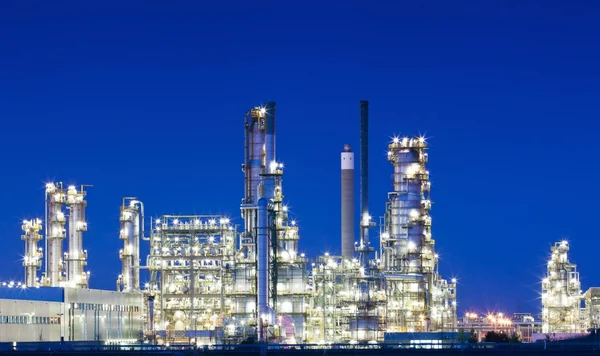
In industries where flammable gases, vapors, or combustible dust are present, safety is paramount. These hazardous environments pose significant risks to both personnel and property. In such critical settings, the importance of hazardous location lights cannot be overstated. These specialized lighting fixtures are designed to operate safely in hazardous areas, ensuring that visibility is maintained without posing a fire or explosion hazard.
This article will delve into the world of hazardous location lights, exploring their significance, types, and the regulations governing their use. By the end, you’ll have a comprehensive understanding of why these lights are essential in safeguarding lives and assets within high-risk environments.
The Need For Hazardous Location Lights
Hazardous locations, as defined by various regulatory bodies such as the National Fire Protection Association (NFPA) and the Occupational Safety and Health Administration (OSHA), are areas where the presence of flammable substances or combustible dust creates a potentially explosive atmosphere. These locations are commonly found in industries like oil and gas, chemical processing, pharmaceuticals, mining, and manufacturing.
In these environments, a single spark or overheated component can trigger catastrophic consequences. Therefore, traditional lighting fixtures are unsuitable due to their lack of protection against igniting flammable materials. Hazardous location lights, on the other hand, are specifically engineered to minimize the risk of explosions or fires.
Types Of Hazardous Location Lights
There is a wide range of hazardous site lights available to cater to the specific requirements of various industries and situations. The choice of lighting fixture depends on factors such as the type of hazardous material present, the location’s classification, and the required light output. Here are some common types:
- Explosion-Proof Lights: These fixtures are designed to contain any explosion that might occur within the enclosure, preventing it from spreading to the surrounding area.
- Intrinsically Safe Lights: Intrinsically safe lighting systems are designed with low energy levels to prevent the ignition of flammable substances. They are commonly used in environments with a high risk of explosion.
- UL And ETL Listed Lights: These lights are certified by recognized testing laboratories such as UL (Underwriters Laboratories) and ETL (Intertek) to meet specific safety standards. Their certification ensures compliance with safety regulations.
- Class I, II, And III Lights: There are primarily three types of hazardous places, distinguished by the sort of hazardous material they contain. Class I is for gases and vapors, Class II is for combustible dust, and Class III is for ignitable fibers. Lighting fixtures are designed to suit these classifications.
- Division 1 And Division 2 Lights: Hazardous locations are further divided into Division 1 and Division 2, with Division 1 being areas where hazardous materials are regularly present and Division 2 being areas where they are present only in abnormal conditions. Lighting fixtures are classified accordingly.
- Led Hazardous Location Lights: LED technology has revolutionized hazardous location lighting due to its energy efficiency, durability, and reduced heat emission. LED lights are increasingly replacing traditional lighting sources in these environments.
Regulations And Standards
Strict laws and standards are in place regarding the use of hazardous site lights to guarantee the utmost safety. The following are examples of important rules and guidelines:
- NEC (National Electrical Code): In the United States, the NEC provides guidelines for the installation and use of electrical equipment in hazardous locations. It classifies hazardous locations and prescribes the type of equipment that can be used in each classification.
- ATEX Directive: In Europe, the ATEX Directive (Atmosphères Explosibles) sets the standards for equipment intended for use in potentially explosive atmospheres. It applies to industries across the European Union.
- IECEx Certification: When it comes to certification, there is a worldwide system that makes sure everything is up to par. It’s called IECEx, and it’s run by the International Electrotechnical Commission.
- OSHA Regulations: Lighting rules are one area where the Occupational Safety and Health Administration (OSHA) of the US steps in to ensure worker safety in potentially dangerous workplaces.
Benefits Of Hazardous Location Lights
Understanding the importance of hazardous location lights also means recognizing the benefits they offer. Here are some of the advantages:
- Safety: The primary benefit is enhanced safety. Hazardous location lights are designed to prevent explosions and fires, protecting personnel and property.
- Compliance: Using approved hazardous location lights ensures compliance with regulatory requirements. Non-compliance can result in fines, penalties, and, most importantly, safety risks.
- Reliability: These lights are built to withstand harsh environmental conditions, ensuring reliable illumination even in challenging settings.
- Energy Efficiency: The energy-efficient and potentially cost-saving light-emitting diode technology is used by several contemporary hazardous location lights.
- Reduced Maintenance: LED lights have longer lifespans, reducing the frequency of maintenance and replacement, which can be costly and hazardous in itself.
- Environmental Impact: Reduced energy consumption and longer lifespan contribute to a smaller environmental footprint.
Case Study: The Importance Of Action
To illustrate the significance of hazardous location lights, let’s consider a real-world scenario. Imagine an oil refinery where volatile gases are present in various areas of the facility. In this environment, traditional lighting fixtures would pose a significant risk. A simple electrical fault or a damaged fixture could result in a catastrophic explosion.
To mitigate this risk, the refinery employs explosion-proof LED lighting fixtures in the hazardous zones. These fixtures are carefully selected to meet the specific classification of each area. Additionally, they undergo routine inspections and maintenance to guarantee that they will continue to operate safely.
One day, a minor electrical fault occurs in an area with these specialized lights. Instead of causing an explosion, the fault is contained within the fixture’s explosion-proof enclosure. The light continues to function, and the potential disaster is averted. The incident highlights the critical role that hazardous location lights play in preventing disasters and protecting lives.
Conclusion
Hazardous location lights are crucial in places where fire and smoke are always a possibility due to the prevalence of combustible dust and other flammable materials. Specialized lighting fixtures like these reduce the potential for explosions and fires while still providing light. To guarantee the utmost security, they follow all applicable rules and laws.
The benefits of using hazardous location lights extend beyond safety to include compliance, reliability, energy efficiency, reduced maintenance, and a smaller environmental footprint. These lights are not just a luxury; they are a necessity in industries where safety is paramount.
