

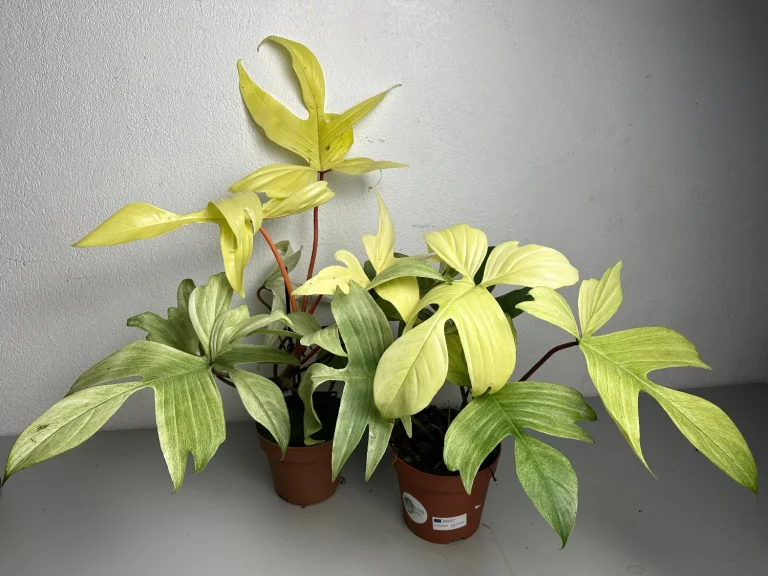
The Florida ghost philodendron is a striking houseplant that captivates plant enthusiasts with its unique, ghostly white leaves that transition to vibrant green as they mature. This rare hybrid, prized for its dramatic foliage and tropical charm, has become a sought-after addition to indoor plant collections.
Native to the rainforests of South and Central America, this climbing vine thrives in warm, humid environments, making it a perfect fit for dedicated plant parents willing to meet its needs.
Origins and Characteristics of the Florida Ghost Philodendron
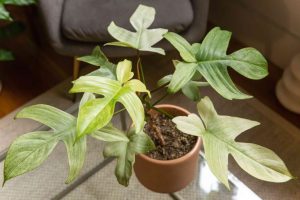
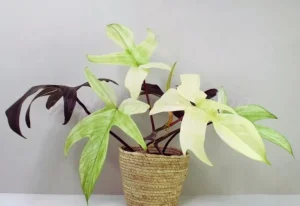
The Florida ghost philodendron, scientifically known as a hybrid of Philodendron pedatum and Philodendron squamiferum, was developed in the 1950s by Florida botanist Robert McColley. Its name comes from the ethereal, creamy white new leaves that resemble tiny ghosts before fading to yellow-green and eventually dark green.
This color-changing cycle, combined with its lobed, hand-shaped leaves and red, scaly petioles, makes it a standout in any plant collection. As an epiphytic climber, it naturally grows upward, clinging to trees in its native rainforest habitat, which informs its care needs indoors.
The plant’s rarity and unique aesthetic contribute to its status as a Florida ghost philodendron rare plant. Its slow growth and limited availability in nurseries drive demand, often making it a pricey investment for collectors. However, its relatively straightforward care requirements make it accessible to both novice and experienced growers, provided they understand its preferences for light, water, and humidity.
Florida Ghost Philodendron Care: The Basics
Proper Florida ghost philodendron care ensures this plant thrives, showcasing its signature white-to-green foliage. The key elements of care include light, water, soil, humidity, temperature, and fertilization, each tailored to mimic its tropical origins. Below, we delve into these aspects, starting with the most critical: light.
Florida Ghost Philodendron Light Requirements
Florida ghost philodendron light requirements are specific to maintaining its vibrant, ghostly leaves. This plant thrives in bright, indirect light, ideally receiving 10,000 to 20,000 lux, which mimics the dappled sunlight of a rainforest understory. Place it near a north or east-facing window where it gets filtered light throughout the day. If you have a south or west-facing window, position the plant a few feet away or use a sheer curtain to diffuse direct sunlight, which can scorch its delicate leaves.
Insufficient light leads to leggy growth and mint-colored new leaves instead of the desired white, while too much direct sun causes browning or yellowing. If you notice new leaves lacking their ghostly hue, move the plant to a brighter spot. Artificial grow lights, such as LED full-spectrum lights, can supplement natural light, especially in winter or low-light homes. Keep the light 12-18 inches above the plant for 12-14 hours daily to encourage healthy growth.
Florida Ghost Philodendron Watering
Florida ghost philodendron watering requires a balance to keep the soil moist but not waterlogged. Water when the top 1-2 inches of soil feel dry to the touch, typically every 7-10 days in average indoor conditions. Use your finger or a moisture meter to check soil moisture before watering, as overwatering is a common cause of root rot. When watering, soak the soil thoroughly until water drains from the pot’s drainage holes, then discard any excess from the drip tray to prevent the plant from sitting in water.
In winter, when the plant enters dormancy, reduce watering frequency, allowing the soil to dry out more between sessions. Environmental factors like humidity, temperature, and light intensity affect watering needs, so adjust based on your home’s conditions. For example, plants in brighter, warmer rooms may need more frequent watering, while those in cooler, shadier spots require less.
Florida Ghost Philodendron Soil
The right Florida ghost philodendron soil is crucial for healthy roots and growth. This plant prefers a well-draining, airy mix rich in organic matter, with a pH of 5.0 to 7.5. A standard indoor potting mix blended with perlite, orchid bark, or coconut coir works well, as these additives improve drainage and aeration. You can also use a pre-made aroid mix, which is formulated for plants like philodendrons.
Avoid dense, heavy soils that retain too much water, as they increase the risk of root rot. When potting, choose a container with drainage holes and consider using a terracotta pot, which dries out faster than plastic, reducing the chance of overwatering. Repot every 1-2 years or when the plant becomes rootbound, typically in spring, to refresh the soil and provide room for growth.
Florida Ghost Philodendron Growth Rate
The Florida ghost philodendron growth rate is moderate, with new leaves appearing every 2-4 weeks during the growing season (spring and summer). Under optimal conditions—bright indirect light, high humidity, and consistent care—it can grow up to 2 feet tall indoors, with leaves reaching 8-12 inches long. Its climbing nature means it benefits from a support structure like a moss pole or bamboo stake, which encourages upward growth and larger leaves.
Growth slows significantly in fall and winter when the plant goes dormant. During this period, focus on minimal care, reducing watering and stopping fertilization. Factors like light, humidity, and pot size influence growth rate, so ensuring ideal conditions maximizes its development.
Florida Ghost Philodendron Propagation
Florida ghost philodendron propagation is a rewarding way to expand your collection or share this rare plant with others. The most effective method is stem cutting, best done in spring when the plant is actively growing. Here’s a step-by-step guide:
- Select a Healthy Stem: Choose a 4-6 inch stem with at least two nodes and a few leaves. Nodes are the small bumps where leaves and roots emerge.
- Cut with Sterilized Tools: Use clean, sharp scissors or pruners, sterilized with isopropyl alcohol, to cut just below a node.
- Prepare the Cutting: Remove the lower leaves, leaving 1-2 leaves at the top to support photosynthesis.
- Root in Water or Soil: Place the cutting in a jar of water, ensuring nodes are submerged, or plant it in a moist mix of sphagnum moss and perlite. For water propagation, change the water every 3-4 days to keep it fresh. For soil, keep the medium consistently moist but not soggy.
- Provide Ideal Conditions: Place the cutting in a warm (70-80°F), humid spot with bright, indirect light. Cover soil cuttings with a plastic bag to trap humidity, airing it out every few days to prevent mold.
- Wait for Roots: Roots should develop within 2-4 weeks. Once they’re 2-3 inches long, transplant water-rooted cuttings into a pot with aroid mix or continue caring for soil-rooted cuttings as a mature plant.
Air layering is another propagation method, involving wounding the stem and encouraging roots to form before cutting, but stem cuttings are simpler and more common. Patience is key, as the Florida ghost philodendron grows slowly, and new plants take time to establish.
Florida Ghost Philodendron Indoor Care
Florida ghost philodendron indoor care focuses on replicating its tropical origins. Beyond light, water, and soil, consider these factors:
- Humidity: This plant loves high humidity, ideally 60-80%. In dry indoor environments, use a humidifier, mist the leaves daily, or place the pot on a pebble tray filled with water (ensuring the pot doesn’t sit in water). Low humidity causes brown leaf edges or slow growth.
- Temperature: Maintain temperatures between 65-95°F. Avoid cold drafts, air conditioning vents, or sudden temperature drops, which can stress the plant.
- Fertilization: Feed monthly during spring and summer with a nitrogen-rich, water-soluble houseplant fertilizer diluted to half strength. Water the soil before fertilizing to prevent root burn. Stop feeding in fall and winter.
- Support: As a climber, the plant benefits from a moss pole, trellis, or totem, which mimics tree bark and encourages larger leaves.
- Pruning: Trim leggy growth or dead leaves in spring using clean, sharp tools. Cut just above a node to encourage bushier growth. Save healthy cuttings for propagation.
Regularly wipe leaves with a damp cloth to remove dust and enhance photosynthesis, keeping the plant healthy and vibrant.
Florida Ghost Philodendron vs Mint
Understanding Florida ghost philodendron vs mint clarifies the differences between these similar varieties. The standard Florida ghost philodendron produces bright white new leaves that transition to yellow-green and then dark green. The Florida ghost philodendron mint, a variant, has new leaves that emerge a light mint green rather than white, with a subtler color shift as they mature. The mint variety often lacks the stark white contrast of the standard ghost, making it less dramatic but still striking.
Both share the same care requirements, but the mint version may be slightly less light-sensitive, as its leaves contain more chlorophyll from the start. Collectors prize the standard ghost for its ghostly white foliage, while the mint appeals to those who prefer a softer, pastel aesthetic. When purchasing, check with the seller to confirm which variety you’re getting, as they’re sometimes confused.
How to Grow Florida Ghost Philodendron
How to grow Florida ghost philodendron successfully involves combining all care elements into a consistent routine. Start with a healthy plant from a reputable nursery, as its rarity can lead to high prices or unreliable sources. Choose a pot that’s deeper than wide, as the plant’s roots grow downward, and ensure it’s heavy (e.g., terracotta) to prevent tipping, given its top-heavy climbing habit.
Place the plant in a bright, indirect light spot, water when the top soil is dry, and maintain high humidity. Use a well-draining aroid mix and provide a moss pole for support. Fertilize monthly during the growing season, and monitor for signs of stress, such as yellowing leaves (overwatering) or brown edges (low humidity). Regular pruning and cleaning keep it tidy and healthy. With patience, the plant will reward you with its stunning foliage and steady growth.
Why Is the Florida Ghost Philodendron a Rare Plant?
The Florida ghost philodendron rare plant status stems from several factors:
- Limited Availability: Its slow growth and specific propagation needs make it less common in nurseries compared to other philodendrons.
- High Demand: The unique white-to-green foliage and collector appeal drive up prices, with mature plants often costing hundreds of dollars.
- Propagation Challenges: Tissue culture attempts often fail to maintain the plant’s distinctive traits, limiting mass production.
- Specialized Care: Its need for high humidity and bright indirect light can deter casual growers, keeping it in the hands of dedicated enthusiasts.
Despite its rarity, its manageable care requirements make it a rewarding choice for those willing to invest time and resources.
Common Issues and Troubleshooting
Even with proper Florida ghost philodendron care, issues can arise. Here’s how to address common problems:
- Yellowing Leaves: Often caused by overwatering. Check soil moisture and reduce watering frequency. Inspect roots for rot, trimming any mushy sections and repotting in fresh soil.
- Brown Leaf Edges: Indicates low humidity or underwatering. Increase humidity with a humidifier or pebble tray and ensure consistent watering.
- Leggy Growth: Suggests insufficient light. Move the plant to a brighter spot or add grow lights.
- Pests: Mealybugs, spider mites, or scale can infest the plant. Wipe leaves with soapy water or use neem oil for treatment, checking regularly for recurrence.
- Fire Blight: A rare fungal disease causing blackened new growth. Quarantine the plant, remove affected parts with sterilized tools, and improve air circulation to prevent spread.
Regular monitoring and quick action keep these issues manageable, ensuring your plant stays healthy.
Toxicity and Safety Considerations
The Florida ghost philodendron is toxic to pets and humans due to calcium oxalate crystals, which cause mouth irritation, swelling, or digestive upset if ingested. Keep it out of reach of cats, dogs, or children, ideally on a high shelf or in a hanging planter. If accidental ingestion occurs, rinse the mouth and seek medical or veterinary advice. Wearing gloves when pruning or propagating can prevent skin irritation from sap.
Enhancing Your Space with Florida Ghost Philodendron
Beyond its care needs, the Florida ghost philodendron adds aesthetic value to indoor spaces. Its multi-colored foliage—white, yellow-green, and dark green—creates a dynamic display, perfect for minimalist or tropical-themed interiors. Train it up a moss pole in a living room corner or let it trail from a hanging planter in a bathroom. Pair it with neutral or earthy decor to highlight its vibrant leaves, or combine it with other aroids like monstera or pothos for a jungle vibe. Its air-purifying qualities also improve indoor air quality, making it both beautiful and functional.
Practical Tips for Success
To thrive with your Florida ghost philodendron, follow these actionable tips:
- Monitor Light Closely: Check new leaf color to ensure adequate light. White leaves indicate success, while mint or green suggest a need for brighter conditions.
- Invest in a Humidifier: High humidity is non-negotiable for lush growth, especially in dry climates or winter months.
- Use a Moss Pole Early: Encourage climbing from the start to promote larger leaves and a fuller appearance.
- Rotate the Plant: Turn the pot every few weeks to ensure even light exposure and balanced growth.
- Inspect Regularly: Check for pests or stress signs weekly, addressing issues promptly to maintain health.
- Be Patient: As a Florida ghost philodendron rare plant, its slow growth requires patience, but the stunning foliage is worth the wait.
Cultural and Collector Appeal
The Florida ghost philodendron holds a special place in the plant community, particularly among collectors who value its rarity and visual impact. Its ghostly leaves evoke a sense of wonder, often compared to fleeting spirits in folklore, adding a storytelling element to its care.
Social media platforms buzz with photos of its color-changing foliage, fueling its popularity and driving demand. For many, owning this plant is a badge of dedication, reflecting a commitment to mastering how to grow Florida ghost philodendron in less-than-tropical climates.
FAQs About Florida Ghost Philodendron
- What are the key aspects of Florida ghost philodendron care?
Florida ghost philodendron care involves bright indirect light, watering when the top 1-2 inches of soil are dry, high humidity (60-80%), and a well-draining aroid mix. Provide a moss pole for climbing and fertilize monthly in spring and summer.
- How does Florida ghost philodendron vs mint differ?
Florida ghost philodendron vs mint: The standard ghost has white new leaves that turn green, while the mint variety has mint-green new leaves with a subtler color shift. Both have similar care needs, but the standard ghost is more striking.
- What are Florida ghost philodendron light requirements?
Florida ghost philodendron light requirements include bright, indirect light (10,000-20,000 lux), such as near a north or east-facing window. Avoid direct sun to prevent leaf burn and ensure white new leaves.
- How should I handle Florida ghost philodendron watering?
Florida ghost philodendron watering involves watering when the top 1-2 inches of soil are dry, typically every 7-10 days. Ensure thorough soaking with drainage and reduce frequency in winter to prevent root rot.
- What is the best Florida ghost philodendron soil?
Florida ghost philodendron soil should be well-draining and rich in organic matter, like a mix of potting soil, perlite, and orchid bark. Use a pot with drainage holes to avoid waterlogging.
- What is the Florida ghost philodendron growth rate?
Florida ghost philodendron growth rate is moderate, with new leaves every 2-4 weeks in spring and summer. It reaches up to 2 feet indoors with support, slowing during winter dormancy.
- How do I propagate a Florida ghost philodendron?
Florida ghost philodendron propagation is best via stem cuttings in spring. Cut a 4-6 inch stem below a node, root in water or moist soil, and keep in a warm, humid spot with indirect light until roots form.
Conclusion on Florida Ghost Philodendron
The Florida ghost philodendron is a captivating houseplant that blends rarity, beauty, and manageable care, making it a prized addition for enthusiasts and collectors. By mastering Florida ghost philodendron care, including Florida ghost philodendron light requirements, Florida ghost philodendron watering, Florida ghost philodendron soil, Florida ghost philodendron propagation, and Florida ghost philodendron indoor care, you can ensure its stunning white-to-green foliage thrives.
Understanding Florida ghost philodendron vs mint helps you choose the right variety, while appreciating its Florida ghost philodendron growth rate and status as a Florida ghost philodendron rare plant adds to its allure. With the right conditions and a touch of patience, this tropical gem will transform your space, rewarding you with its otherworldly charm for years to come.
