

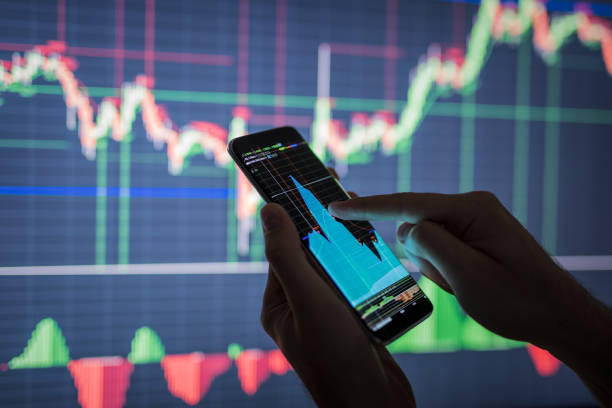
In the world of finance, the evolution of digital trading has undergone a significant transformation. Gone are the days of traditional paper-based transactions; today, investors utilize the power of technology through digital trading platforms with Dematerialized (Demat) accounts, which makes these transactions quicker and more efficient.
Understanding Demat Accounts
A Demat account is like a digital piggy bank for stocks and bonds. They’re crucial for today’s trading. Instead of dealing with paper certificates for your investments, you keep everything safe and sound in digital form. That means no more worrying about losing, stealing, or damaging your paper shares. It’s all way easier now, thanks to digitalization!
The Digital Trading Revolution
Digital trading platforms have simplified the process for individuals to engage in trading and investing. These platforms provide insights into real-time market information and detailed trend analysis, charts, etc., to help individuals make informed decisions, along with straightforward methods to execute trades, all easily accessible with just a click.
Advantages of Demat Accounts
- Convenience: Demat accounts are much more convenient because they let investors handle buying, selling, and keeping securities all online, right from their couch or desk. No more dealing with paperwork – everything’s smooth sailing and stress-free.
- Safety and Security: The digitization of securities holdings through Demat accounts significantly improves the safety and security of investors’ assets. With stringent regulatory oversight and protective encryption measures in place, the risk of fraud or unauthorized access is minimized.
- Cost-Efficiency: Digital trading platforms usually charge relatively lower fees and commissions than traditional brokerage firms. This helps investors save money when they buy and sell stocks and handle their investments. And since everything happens online, there’s no need for paper documents, further reducing costs associated with printing, storage, and handling of paperwork.
- Accessibility: With the widespread availability of smartphones and high-speed internet, more people than ever can get into digital trading. It doesn’t matter if you’re new to investing or have been doing it for years – you can set up a Demat account and start trading in just a few minutes, no matter where you are.
Driving Factors Behind the Growth
Several factors have contributed to the growth of digital trading and the widespread adoption of demat accounts:
- Technological Advancements: Rapid technological advancements, such as user-friendly mobile apps, artificial intelligence, and blockchain, have transformed financial services, making trading more efficient, transparent, and accessible.
- Regulatory Reforms: Regulatory reforms aimed at promoting transparency, investor protection, and market integrity have played a vital role in fostering trust and confidence in using digital trading platforms through Demat account services.
- Changing Demographics: The emergence of a tech-savvy younger generation with accessibility to digital solutions has fueled the demand for online trading platforms and boosted the shift towards digital financial services.
- Globalization: The increasing linkage of global financial markets has created opportunities for investors to diversify their portfolios and access a broader range of investment products and opportunities through digital trading platforms.
- The Future Outlook: Looking ahead, the future of digital trading and Demat accounts appears exceedingly bright. As technology continues to evolve and financial markets become increasingly digitized, we can expect further innovation in trading platforms, enhanced integration with emerging technologies like blockchain and artificial intelligence, and greater emphasis on cybersecurity measures to safeguard investors’ interests.
Conclusion
The rise of digital trading and the adoption of Demat accounts signify a shift in how individuals engage with financial markets. By leveraging the power of technology, investors can now navigate the complexities of the global economy with greater confidence, efficiency, and accessibility than ever before. As we embrace this digital revolution, the opportunities for wealth creation and financial empowerment will be significant.
