

Timber decking looks extraordinary when it’s new. It also looks quite ordinary – or worse – if it isn’t maintained. This is something that doesn’t come up often enough in the conversation about whether to install timber versus a lower-maintenance alternative. For homeowners in warm climates who want beautiful decking Perth installations to look as good in year five as they did in year one, understanding the maintenance reality before committing is genuinely useful – not to talk you out of timber, but to help you manage it properly if you do choose it.
Here’s what the ongoing care of a timber deck actually involves.
The First 12 Months Are Critical
New timber is at its most vulnerable in the first year. It hasn’t yet stabilised to the local climate, it’s more susceptible to moisture absorption and UV damage, and the protective treatment or coating applied during installation is at its freshest – meaning it needs to be maintained before it degrades.
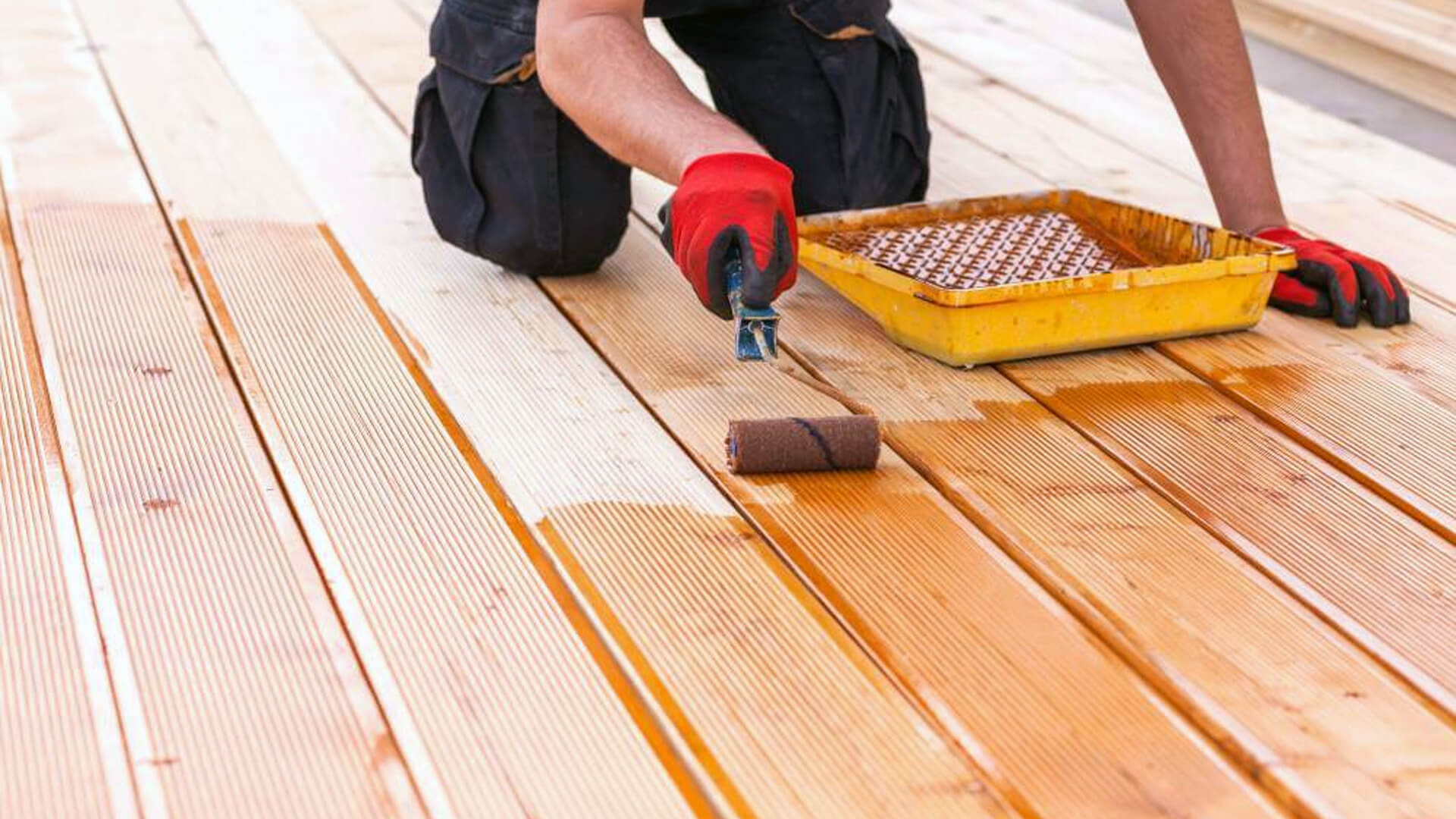
Depending on the species and finish specified, your deck may need an additional coat of oil or sealant within six to twelve months of installation. This isn’t a manufacturer’s recommendation to be ignored – it’s the single most effective maintenance action you can take to extend the life of the deck and prevent early deterioration.
Ask your installer what the recommended first-year maintenance schedule is, and get it in writing. If they don’t have a clear answer, the specification isn’t complete.
Cleaning Is Not Optional
Timber decks that aren’t cleaned regularly accumulate grime, mould, tannin stains, and biological growth (algae and lichen) that are increasingly difficult to remove the longer they’re left. Regular cleaning isn’t about aesthetics – it’s about preventing the kind of surface degradation that causes timber to become grey, brittle, and rough.
For most timber decks in outdoor conditions, a clean once or twice a year is the minimum. This typically involves a deck cleaner or diluted oxalic acid solution, a stiff brush, and a thorough rinse. High-pressure washing can be used carefully but can also damage timber if the pressure is too high or the nozzle is held too close – stripping surface fibres and creating a rougher texture that attracts more dirt.
If the deck has become heavily stained or has significant mould infiltration, a professional clean and resand may be needed before any coating is reapplied. Applying oil or sealant over a dirty or mould-affected surface is ineffective and often makes the appearance worse.
Oiling and Sealing: Frequency Matters
How often a deck needs oiling or sealing depends on the species, the exposure, the finish type, and the climate. Hardwoods in protected positions under a pergola may only need treating every two to three years. Softwoods or decks in full sun exposure may need annual attention.
The test is simple: put a few drops of water on the deck surface. If the water beads and rolls off, the protective coating is still performing. If the water soaks in quickly, the surface needs treatment. Don’t wait until the timber is visibly grey and dry – by that point, the damage from UV and moisture cycling has already done its work.
Product selection matters. Not all deck oils and sealants are equal, and using a product incompatible with the original finish can create adhesion problems, uneven colour, or peeling. When in doubt, consult a specialist rather than choosing the most affordable product on the shelf.
Watch for Board Movement and Fixings
Timber expands and contracts with moisture and temperature changes throughout the seasons. Over time, this movement can loosen fixings, create board separation where there was none, or result in cupping (where board edges rise relative to the centre). These are normal characteristics of timber – not always signs of a problem – but they do need periodic attention.
Check fixings annually and retighten where needed. Boards that have cupped significantly may need to be flipped or, in severe cases, replaced. Gaps between boards that have widened may create trapping points for debris that promote moisture retention – which accelerates decay.
Composite Decking: The Maintenance Comparison
It’s worth being honest about the alternative. Quality composite decking – the kind that uses realistic timber-look profiles with proper UV and moisture resistance – requires significantly less maintenance than natural timber. It doesn’t need oiling, doesn’t grey out, and is generally more resistant to the mould and staining problems that affect natural products.
The trade-offs are cost (typically higher upfront than most timber options) and the fact that it’s not natural timber – which matters to some homeowners more than others. If the maintenance reality of natural timber sounds like more than you’re committed to, composite is worth serious consideration. The best installations of both products look excellent; the difference shows up in year three, not year one.
