

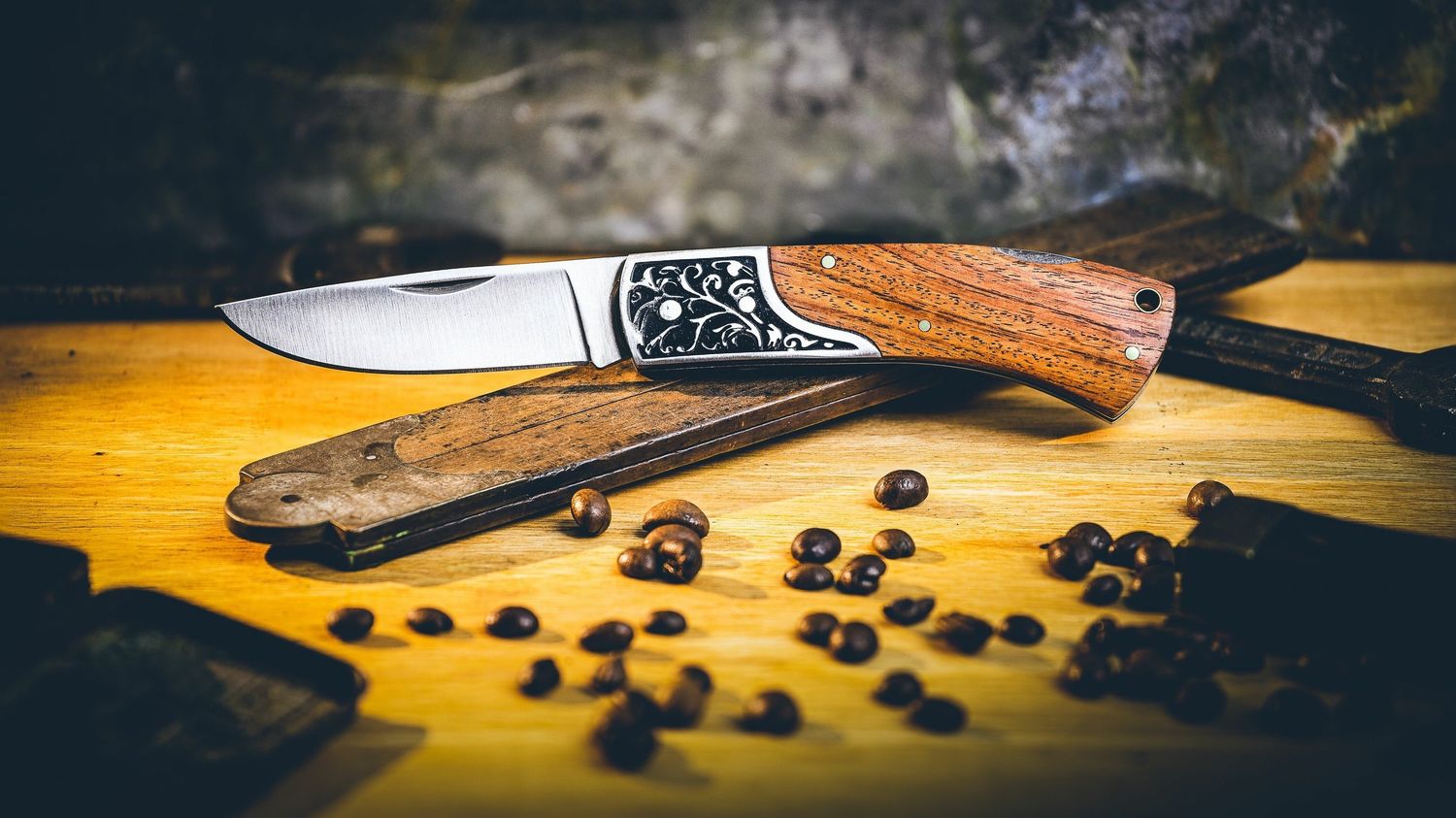
The Laguiole knife is a great example of both the skill of its maker and the history of French cooking. Hailing from the picturesque village of Laguiole in southern France, these knives have long been celebrated for their elegance, precision, and versatility. Choosing the right Laguiole knife can be a rewarding experience, but it also demands careful consideration. In this comprehensive guide, we will delve into the world of Laguiole knives, exploring their history, design, and the factors you should keep in mind when making your selection.
Types Of Laguiole Knives
Laguiole knives come in various styles and sizes, each designed for specific tasks. Here are some common types you’ll encounter:
Pocket Laguiole Knife: These are traditional folding knives that can easily fit in your pocket. They are often used for everyday tasks, such as cutting fruits or opening letters.
Table Laguiole Knife: These knives are designed for dining and are often included in fine cutlery sets. They are ideal for cutting meat and other dishes at the dining table.
Laguiole Steak Knife: Specifically crafted for slicing through steaks and other meats, these knives typically feature serrated blades for effortless cutting.
Laguiole Cheese Knife: With a wide, flat blade, these knives are perfect for cutting and serving cheese, a staple in French cuisine.
Laguiole Wine Opener: Some Laguiole knives include a corkscrew for opening wine bottles, combining functionality and style.
Factors To Consider When Choosing A Laguiole Knife
Selecting the perfect Laguiole knife for your needs involves considering various factors to ensure that it suits your culinary preferences and requirements. Here are the key aspects to keep in mind:
- Blade Material
The quality of the blade material greatly impacts the knife’s performance and durability. Laguiole knives often come with stainless steel blades, which are known for their rust resistance and sharpness. Premium options may feature high-carbon stainless steel or even Damascus steel blades, which offer exceptional strength and edge retention.
- Handle Material
Laguiole knife handles can be made from a variety of materials, including wood, horn, bone, and synthetic materials like acrylic. The choice of handle material is not just about aesthetics but also about comfort and grip. Pick a handle that looks good in your kitchen and feels good in your hand.
- Size And Weight
Think about how the knife’s size and weight will affect what you plan to do with it. A smaller pocket Laguiole knife may be ideal for everyday carry, while a larger table knife or steak knife is better suited for dining and meat-cutting tasks.
- Blade Design
Laguiole knives come in different blade designs, including straight-edge and serrated. Pick the type of blade that works best for what you want to do. A straight-edge blade is versatile and excels at precise slicing, while a serrated blade is ideal for cutting through tough cuts of meat.
- Craftsmanship And Authenticity
Authenticity and craftsmanship are paramount when selecting a Laguiole knife. Look for knives made in Laguiole, France, by skilled artisans who follow traditional techniques. A genuine Laguiole knife should feature the iconic bee or fly on the spine of the blade.
- Price Range
Laguiole knives can vary widely in price, depending on the materials and craftsmanship. Set a budget that aligns with your preferences and priorities. The price of premium choices may be higher, but they usually last longer and are of better quality.
- Brand Reputation
Research and consider the reputation of the brand you are buying from. Laguiole knives from well-known names that have a past of making good ones are more likely to be reliable.
Caring For Your Laguiole Knife
Once you’ve found the right Laguiole knife, it’s important to take good care of it so it lasts and works well. Here are some tips for maintaining your Laguiole knife:
Hand Wash Only: Do not put your Laguiole knife in the machine. Instead, wash it by hand right away with warm water and light soap. To keep it from rusting, dry it completely.
Sharpen Regularly: Keep your Laguiole knife sharp by using a honing rod or a sharpening stone. Regular sharpening maintains the blade’s edge and ensures precise cutting.
Store Properly: Keep your Laguiole knife safe by putting it in a knife block, a magnetic strip, or a blade guard. This will protect both the blade and you from harm.
Use A Cutting Board: Never use a hard cutting board, like a hard piece of wood or plastic. This will keep the blade sharp. Cutting on glass or marble is not a good idea.
Oil The Handle: If your Laguiole knife has a wooden handle, periodically apply mineral oil to keep it hydrated and prevent cracking.
In Conclusion
Choosing the right Laguiole knife is a journey that combines functionality, aesthetics, and tradition. Whether you’re a professional chef or a home cook, a Laguiole knife can elevate your culinary experience. Consider the blade material, handle material, size, craftsmanship, and your budget when making your selection. With proper care, your Laguiole knife can become a cherished tool in your kitchen, serving you for years to come, and reminding you of the rich culinary heritage it represents.
