


Why Your Legs Ache at Night? This is a common question as many people experience leg pain at night, making it difficult to fall asleep or stay comfortable. This discomfort can range from mild aching to sharp, throbbing pain that disrupts rest. Nighttime leg pain can stem from various causes, including poor circulation, muscle fatigue, nerve issues, and underlying health conditions.
Some people experience pain due to daily activities and overuse, while others may suffer from chronic conditions like Restless Leg Syndrome (RLS) or arthritis. Identifying the root cause of nighttime leg pain is essential for finding effective relief. This article will explore the common reasons why your legs hurt at night and possible solutions.
Common Causes of Nighttime Leg Pain
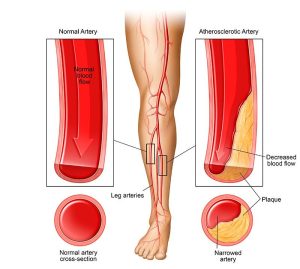
Leg pain at night can occur due to multiple factors, from lifestyle habits to medical conditions. Some of the most common causes include:
1. Circulatory Problems
- Poor blood flow can lead to cramping, numbness, or pain.
- Peripheral artery disease (PAD) restricts circulation, worsening pain at night.
2. Muscle Overuse and Fatigue
- Standing, walking, or exercising too much during the day can cause muscle soreness at night.
- Strenuous activity can lead to delayed onset muscle soreness (DOMS), causing discomfort hours after exercise.
3. Nerve Issues and Neuropathy
- Diabetic neuropathy can cause burning, tingling, or stabbing pain in the legs.
- Pinched nerves from spinal problems can also lead to nighttime discomfort.
Understanding the cause of your nighttime leg pain can help you find the right treatment and lifestyle adjustments for relief.
Poor Circulation and Blood Flow Issues
Circulation problems can restrict oxygen and nutrient flow to the legs, leading to pain, numbness, and cramping at night.
Common Circulatory Issues That Cause Leg Pain
- Peripheral artery disease (PAD) – Narrowed arteries reduce blood flow, causing pain in the legs while resting.
- Venous insufficiency – Blood pools in the veins, leading to swelling, heaviness, and discomfort.
- Deep vein thrombosis (DVT) – Blood clots in the legs can cause severe pain and swelling.
To improve circulation, consider elevating your legs, wearing compression socks, staying hydrated, and engaging in regular movement throughout the day.
Restless Leg Syndrome (RLS) and Its Symptoms
Restless Leg Syndrome (RLS) is a neurological disorder that causes an uncontrollable urge to move the legs, especially at night.
Symptoms of RLS
- Tingling, itching, or crawling sensations in the legs.
- Strong urge to move the legs when resting or lying down.
- Temporary relief with movement but discomfort returns quickly.
RLS is often linked to iron deficiency, genetics, or nervous system imbalances. Treatments include iron supplements, lifestyle changes, and medications that help calm the nervous system.
Muscle Fatigue and Overuse During the Day
If you spend the day walking, standing, or exercising, your muscles can become overworked and sore by nighttime.
Causes of Muscle Fatigue
- Overexertion from workouts, running, or heavy lifting.
- Lack of stretching before and after exercise.
- Sudden increase in physical activity leading to soreness.
To prevent muscle-related nighttime leg pain, try gentle stretching, using warm compresses, and getting enough rest between activities.
Dehydration and Electrolyte Imbalances
Dehydration and low electrolyte levels can trigger painful leg cramps and muscle spasms at night.
How Dehydration Causes Leg Pain
- Lack of water reduces blood circulation, causing muscle tightness and cramping.
- Electrolyte imbalances (low potassium, calcium, or magnesium) can lead to muscle contractions and spasms.
To prevent dehydration-related leg pain, drink enough water throughout the day and consume potassium-rich foods like bananas, spinach, and sweet potatoes.
Nerve Pain and Neuropathy-Related Discomfort
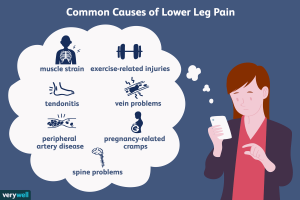
Nerve damage (neuropathy) can cause burning, tingling, or sharp pain in the legs, especially at night.
Common Causes of Neuropathy
- Diabetes – High blood sugar damages nerves, leading to pain in the legs and feet.
- Pinched nerves – Herniated discs or spinal issues can compress nerves, sending pain signals to the legs.
- Vitamin deficiencies – Low B12 levels can affect nerve function.
For neuropathy-related leg pain, nerve-friendly diets, medications, and physical therapy can help manage discomfort.
Arthritis and Joint Inflammation at Night
Arthritis is a leading cause of nighttime leg pain, particularly in older adults. Inflamed joints can feel stiff, swollen, and painful when resting.
Types of Arthritis That Cause Nighttime Leg Pain
- Osteoarthritis – Wear-and-tear of joints leads to chronic pain, especially after a long day.
- Rheumatoid arthritis – An autoimmune disorder that causes joint inflammation and stiffness.
- Gout – A buildup of uric acid leads to sudden, intense pain in the legs and feet.
Managing arthritis pain may require anti-inflammatory medications, gentle movement, and warm therapy before bed.
Leg Cramps and Muscle Spasms While Sleeping
Waking up in the middle of the night due to sudden leg cramps or muscle spasms can be both painful and frustrating. These involuntary contractions, often called charley horses, occur when muscles tighten unexpectedly, leading to sharp pain and stiffness. Nighttime leg cramps are common among athletes, older adults, and individuals with dehydration or mineral imbalances.
Causes of Leg Cramps at Night
- Dehydration – Low fluid levels can cause muscle contractions and tightness.
- Electrolyte Imbalances – Deficiencies in potassium, magnesium, or calcium can lead to muscle spasms.
- Overuse or Fatigue – Excessive physical activity can trigger muscle strain at night.
- Poor Circulation – Insufficient blood flow to leg muscles may increase the risk of cramps.
Preventing and Treating Nighttime Cramps
- Stay hydrated throughout the day to maintain proper muscle function.
- Stretch your legs before bedtime to relax tense muscles.
- Apply heat or massage the affected area to relieve discomfort.
- Increase your intake of potassium and magnesium through diet or supplements.
By understanding and addressing the root causes, you can reduce the occurrence of nighttime leg cramps and enjoy more restful sleep.
Varicose Veins and Their Impact on Leg Pain
Varicose veins are swollen, twisted veins that develop when blood pools due to weakened vein walls and faulty valves. These veins, commonly found in the legs, can lead to pain, heaviness, and discomfort, especially at night. Many people with varicose veins experience throbbing, aching, or burning sensations in their legs while resting.
How Varicose Veins Contribute to Nighttime Leg Pain

- Poor Circulation – Blood struggles to flow efficiently, leading to leg swelling and discomfort.
- Inflammation – Damaged veins may become irritated and painful, especially after long periods of standing.
- Pressure Build-Up – Prolonged sitting or inactivity can worsen varicose vein pain at night.
Ways to Alleviate Pain from Varicose Veins
- Elevate your legs while lying down to improve blood flow.
- Wear compression stockings to reduce swelling and enhance circulation.
- Engage in gentle leg exercises like walking to keep blood moving.
- Apply cold compresses to soothe inflammation and reduce pain.
If varicose veins cause chronic pain, consulting a doctor for treatments such as laser therapy or vein surgery may be necessary.
How Sleep Position Affects Leg Pain
Your sleeping position plays a major role in leg comfort and circulation. Sleeping in an awkward posture or putting excessive pressure on your legs can lead to numbness, cramping, or aching pain during the night. Finding the right sleep position can help alleviate discomfort and prevent pain.
Best Sleeping Positions for Reducing Leg Pain
- Sleeping with legs slightly elevated improves blood flow and reduces swelling.
- Sleeping on your back with a pillow under your knees supports natural leg alignment.
- Side sleeping with a pillow between your knees prevents hip misalignment and relieves leg pressure.
Worst Sleeping Positions for Leg Pain
- Sleeping on your stomach can strain leg muscles and cause stiffness.
- Crossing your legs while sleeping may restrict circulation, leading to discomfort.
- Keeping legs in a tight, bent position can increase muscle tension and cramping.
To prevent nighttime leg pain, focus on maintaining a neutral spine position, using supportive pillows, and adjusting your posture for optimal comfort.
Home Remedies and Treatments for Nighttime Leg Pain
If leg pain at night is disrupting your sleep, natural remedies and simple treatments can help provide relief. Addressing underlying causes such as dehydration, muscle tension, or poor circulation can reduce discomfort and promote better rest.
Effective Home Remedies for Leg Pain
- Stay Hydrated – Drink enough water throughout the day to prevent muscle cramps and stiffness.
- Stretch Before Bed – Gentle leg stretches help relax muscles and improve flexibility.
- Massage and Heat Therapy – Applying warm compresses or massaging sore areas can ease tension.
- Epsom Salt Baths – Soaking in warm water with Epsom salt can help relax muscles and reduce inflammation.
Medical Treatments for Persistent Leg Pain
- Pain Relief Medications – Over-the-counter NSAIDs like ibuprofen can help with inflammation and discomfort.
- Compression Therapy – Wearing compression socks improves blood circulation and reduces swelling.
- Physical Therapy – Targeted exercises and therapy can strengthen muscles and relieve chronic pain.
- Consult a Doctor – If pain persists, medical tests may be needed to identify underlying conditions such as nerve damage or circulatory issues.
By combining home remedies with lifestyle changes, you can manage and reduce nighttime leg pain, leading to better sleep and improved well-being.
FAQs About why do my legs ache at night
Why do my legs hurt at night but feel fine during the day?
Nighttime leg pain can be caused by circulatory issues, nerve pain, or muscle fatigue after daily activities.
How can I relieve leg pain before bed?
Try stretching, massaging your legs, using heat or ice packs, and staying hydrated.
When should I see a doctor for nighttime leg pain?
If leg pain is persistent, severe, or accompanied by swelling or numbness, consult a doctor to rule out serious conditions.
Can stress or anxiety cause nighttime leg pain?
Yes, stress can lead to muscle tension and increased nerve sensitivity, worsening leg pain at night.
What supplements help with leg pain at night?
Magnesium, potassium, and vitamin D can help reduce muscle cramps and nerve discomfort.
Conclusion on Why do my legs ache at night
Nighttime leg pain can be caused by various factors, including poor circulation, muscle fatigue, dehydration, nerve issues, and arthritis. Identifying the root cause is crucial for effective treatment and relief.
Simple lifestyle changes like staying hydrated, stretching before bed, improving circulation, and managing stress can significantly reduce leg discomfort. If the pain persists or worsens, consulting a doctor is important to diagnose any underlying health conditions. Taking preventative measures and making small adjustments to your daily routine can help you enjoy a pain-free, restful night’s sleep.
