

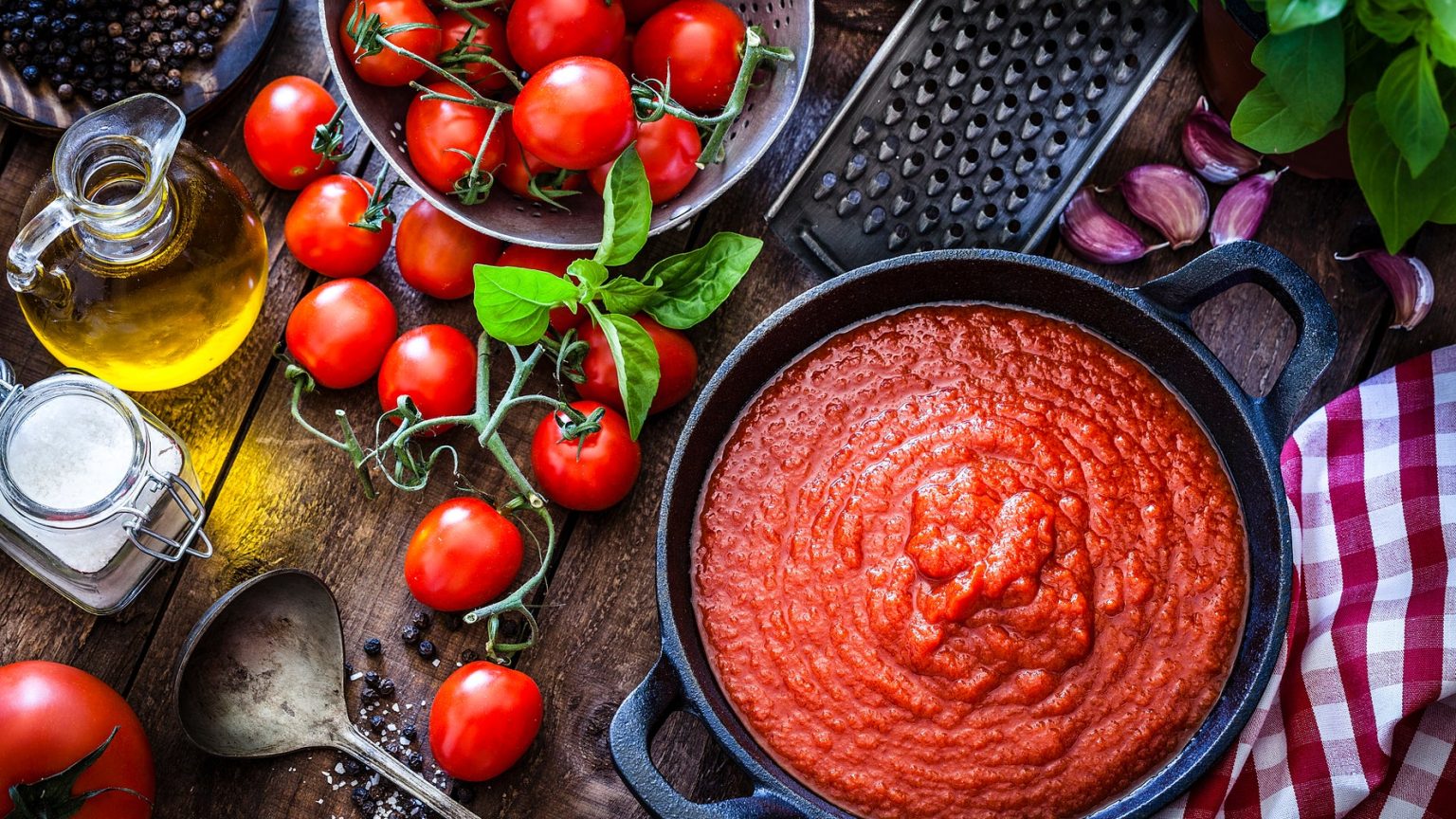
Many people believe that Italians Don’t Use Tomato Paste in their cooking, but is that really true? This idea likely stems from the romanticized view of Italian cuisine, where only fresh, sun-ripened tomatoes are used to make sauces. While fresh tomatoes are a staple in Italian kitchens, tomato paste is far from being banned. In fact, many Italian recipes call for concentrated tomato paste to enhance the flavor, color, and richness of sauces.
The misunderstanding comes from the fact that Italians use tomato paste differently than many other cultures. Instead of relying on it as the main ingredient, they use it strategically—to build depth in a dish rather than replace fresh tomatoes. Another reason for the myth is that traditional Italian cuisine prioritizes fresh, high-quality ingredients, so canned or processed products are often seen as a last resort.
So, do Italians really avoid tomato paste? Not at all! They simply use it in a more refined and balanced way than many might expect. To fully understand this, we need to explore how Italians approach tomato-based sauces, their use of fresh tomatoes vs. tomato paste, and when tomato paste is actually necessary in Italian cooking.
Do Italians Really Avoid Tomato Paste?
The idea that Italians never use tomato paste is a misconception. While fresh ingredients are preferred in traditional Italian cooking, tomato paste is still an important part of many dishes. It’s true that not every Italian sauce includes tomato paste, but when used correctly, it adds a deep, rich flavor that fresh tomatoes alone can’t provide.
In Italy, tomato paste—known as “concentrato di pomodoro”—is used differently than in other cuisines. Instead of dumping large amounts into a sauce, Italians often sauté a small spoonful with onions, garlic, or olive oil at the beginning of cooking. This technique intensifies the flavor, creating a richer, more complex taste. It’s commonly used in slow-cooked dishes, stews, and meat-based sauces, where it enhances the natural umami of the ingredients.
So, while fresh tomatoes remain the star in many Italian recipes, tomato paste is not completely avoided. It plays an essential role in certain regional dishes, particularly in the south, where tomatoes are a major part of the cuisine. Understanding when and why Italians use tomato paste helps debunk the myth that Italians completely reject it in their cooking.
| Fact | Reality in Italian Cooking |
| Italians never use tomato paste | False – they use it strategically |
| Tomato paste replaces fresh tomatoes | False – it enhances flavors |
| Tomato paste is common in Italian sauces | True, but in small amounts |
Traditional Italian Cooking and Tomato-Based Sauces
Italian cuisine is built on simplicity, balance, and fresh ingredients. When it comes to tomato-based sauces, the approach is no different. Italians prefer fresh, high-quality tomatoes, but tomato paste has its place, especially in dishes that require depth and concentration of flavor.
The most famous Italian tomato sauces include:
- Sugo al Pomodoro – A simple tomato sauce made with fresh tomatoes, olive oil, garlic, and basil.
- Ragù alla Bolognese – A meat-based sauce that often includes a touch of tomato paste for richness.
- Amatriciana – A sauce made with guanciale (pork cheek), tomatoes, and pecorino cheese, sometimes enhanced with tomato paste.
- Puttanesca – A bold sauce with olives, capers, and tomatoes, sometimes including a small amount of tomato paste.
In traditional Italian cooking, tomato paste is never the dominant ingredient. Instead, it’s used to intensify flavors in a subtle and balanced way. For sauces that require a long cooking process, such as ragù or stews, a spoonful of tomato paste adds a deep, caramelized taste that fresh tomatoes alone can’t achieve.
| Sauce Type | Use of Tomato Paste? |
| Sugo al Pomodoro | Rarely |
| Ragù alla Bolognese | Yes, for depth |
| Amatriciana | Sometimes |
| Puttanesca | Occasionally |
While tomato paste is not a necessity in every Italian dish, it is a valuable tool that Italians use wisely and purposefully in their traditional cooking.
How Italians Use Fresh Tomatoes vs. Tomato Paste

One of the biggest differences in Italian cooking compared to other cuisines is how they choose between fresh tomatoes and tomato paste. Instead of using paste as a shortcut, Italians prioritize seasonality and freshness.
- Fresh Tomatoes: Used in quick, light sauces, such as pasta al pomodoro or bruschetta. Italians prefer San Marzano tomatoes, known for their sweet, rich flavor and low acidity.
- Canned Tomatoes: Used when fresh tomatoes are out of season. Brands like Mutti and Cirio are popular in Italy for their high-quality canned tomatoes.
- Tomato Paste: Used in small amounts for dishes that require depth and complexity, such as braised meats, stews, and slow-cooked sauces.
When Italians do use tomato paste, they never add it raw. Instead, they sauté it in olive oil before mixing it into the dish. This technique removes bitterness and enhances its natural sweetness.
| Ingredient | Best Use in Italian Cooking |
| Fresh Tomatoes | Quick sauces, fresh dishes |
| Canned Tomatoes | Long-cooked sauces, off-season use |
| Tomato Paste | Adding richness and depth |
By understanding this balance, it’s clear that Italians don’t avoid tomato paste—they simply use it thoughtfully alongside fresh ingredients.
When and Why Italians Use Tomato Paste in Cooking
While fresh tomatoes remain the heart of Italian cuisine, there are specific moments when tomato paste is essential. Italians use it to:
- Enhance umami and richness in slow-cooked dishes.
- Deepen color and consistency in sauces like Bolognese and stews.
- Balance acidity when using canned tomatoes or out-of-season fresh tomatoes.
- Add depth to meat-based dishes, particularly in southern Italian cuisine.
A classic example is Ragù alla Napoletana, a slow-cooked tomato sauce with meat, where a small spoonful of tomato paste enhances the intensity of flavors. Similarly, in dishes like Osso Buco, tomato paste adds a concentrated tomato essence without overpowering the dish.
| Dish | Why Tomato Paste is Used |
| Ragù alla Bolognese | Enhances richness |
| Osso Buco | Deepens flavor |
| Stews & Braised Meats | Adds color & complexity |
While tomato paste is never the star, it plays a crucial supporting role in certain Italian recipes. Italians don’t avoid it—they simply use it wisely to elevate their cooking.
Regional Differences in Italian Tomato Sauce Preparation
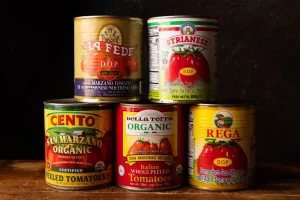
Italy is known for its diverse culinary traditions, and tomato sauce is no exception. Each region has its own unique way of preparing tomato-based sauces, influenced by local ingredients, climate, and historical food culture.
In Northern Italy, where the cuisine is richer and more butter-based, tomato sauces are often lighter and used in moderation. Popular dishes like Ragù alla Bolognese rely more on meat, wine, and broth, with tomato paste used sparingly to enhance the sauce’s depth. Northern sauces tend to be thicker, often simmered for hours to develop their bold flavors.
In Central Italy, tomato-based sauces are more common, but they are often paired with olive oil and herbs rather than heavy meats. Amatriciana and Cacio e Pepe are prime examples, showcasing the balance between fresh ingredients and intense flavors. While tomato paste might be used occasionally, fresh tomatoes or canned whole tomatoes remain the preferred choice.
Southern Italy, particularly in Campania and Sicily, is the heart of tomato-heavy cuisine. This region’s warm climate produces sweet, sun-ripened tomatoes, such as San Marzano, making fresh tomato sauces a staple. Here, tomato paste is used more frequently, especially in dishes like Sicilian caponata and Neapolitan ragù, where its rich umami enhances the natural sweetness of the tomatoes.
| Region | Sauce Characteristics | Use of Tomato Paste? |
| Northern Italy | Meat-based, rich, slow-cooked | Minimal |
| Central Italy | Balanced, olive oil-based, herby | Occasional |
| Southern Italy | Tomato-heavy, bold, slightly sweet | More frequent |
Understanding these regional differences helps to debunk the idea that Italians avoid tomato paste completely. Instead, its use varies based on tradition, ingredients, and cooking styles.
Tomato Paste in Italian-American vs. Authentic Italian Cuisine

The difference between Italian-American cuisine and authentic Italian cooking is striking, particularly when it comes to tomato sauce preparation. Many Italian-American dishes tend to be heavier, more tomato-forward, and often include more tomato paste, whereas traditional Italian cooking relies on fresher, lighter flavors.
One of the main reasons for this difference is ingredient availability. When Italian immigrants arrived in the U.S., they couldn’t always find fresh, high-quality tomatoes like those in Italy. Instead, they turned to canned tomatoes and tomato paste, which were more accessible and offered a consistent flavor year-round. This led to the thicker, richer tomato sauces that define Italian-American cuisine today.
In contrast, authentic Italian cooking prioritizes fresh tomatoes, with tomato paste being used sparingly and only when necessary. For example, in Italy, Marinara sauce is made using fresh tomatoes, olive oil, garlic, and herbs, whereas in the U.S., it is often a thicker, heavily spiced sauce with a strong tomato paste base.
| Aspect | Italian-American Cuisine | Authentic Italian Cuisine |
| Tomato Sauce Thickness | Thick, rich | Lighter, fresher |
| Tomato Paste Use | Frequently used | Sparingly used |
| Cooking Style | Simmered for long periods | Quick, fresh flavors |
| Main Ingredients | Canned tomatoes, paste | Fresh or canned whole tomatoes |
While both styles of cooking are delicious, Italian cuisine focuses more on subtle, balanced flavors, while Italian-American cuisine tends to favor bolder, heavier sauces with a stronger tomato paste presence.
Alternatives to Tomato Paste in Italian Cooking
For those who want to cook authentic Italian dishes without using tomato paste, there are plenty of natural alternatives that maintain depth and richness without overpowering the dish.
One of the best substitutes is slow-cooked fresh tomatoes. By allowing tomatoes to cook down naturally, they release their natural sugars and umami, creating a sauce that is naturally thick and flavorful without the need for added paste.
Another alternative is sun-dried tomatoes, which have an intense, concentrated tomato flavor. Soaking them in warm water and blending them into a paste can provide the same depth as tomato paste while keeping the dish all-natural.
Other great substitutes include:
- Canned whole tomatoes – crushed and simmered for longer to create a natural thickness.
- Tomato purée – a smoother, fresher alternative with a more delicate flavor.
- Caramelized onions and garlic – add depth and sweetness similar to tomato paste.
- Anchovy paste or miso – for an umami boost without overpowering the tomato’s natural flavors.
| Alternative | Why It Works |
| Slow-cooked tomatoes | Builds natural sweetness and depth |
| Sun-dried tomatoes | Intensifies flavor without added paste |
| Caramelized onions | Adds richness and balance |
| Anchovy paste | Enhances umami flavors |
These alternatives allow for a more authentic approach to Italian cooking while keeping flavors fresh and well-balanced.
Common Misconceptions About Italian Cuisine and Tomato Products
There are several misconceptions when it comes to Italians and their use of tomato-based ingredients. Some of the most common myths include:
- “Italians never use tomato paste.” – False! Italians do use tomato paste, but in small amounts and only when it enhances a dish.
- “All Italian sauces are thick and heavy.” – In reality, many authentic Italian sauces are light and fresh, relying more on olive oil, garlic, and fresh tomatoes.
- “Canned tomatoes are not authentic.” – Many Italian cooks use high-quality canned tomatoes when fresh ones are out of season. The key is choosing brands with no additives.
- “Italian food is always tomato-based.” – While tomatoes play a big role, many Italian dishes do not include tomatoes at all. Pesto, Carbonara, and Cacio e Pepe are great examples.
By understanding the truth behind these myths, we can better appreciate the nuances of real Italian cuisine.
Frequently Asked Questions About Italians Don’t Use Tomato Paste
Do Italians ever use tomato paste?
Yes, but they use it sparingly to enhance flavors, not as the main ingredient.
Is tomato paste necessary for authentic Italian sauces?
Not always! Many Italian sauces rely only on fresh or canned tomatoes.
Why do Italian-American sauces use more tomato paste?
Italian immigrants in the U.S. used tomato paste more frequently due to ingredient availability.
What’s a good substitute for tomato paste in Italian cooking?
Slow-cooked tomatoes, sun-dried tomatoes, or caramelized onions can add similar depth.
Conclusion on Italians Don’t Use Tomato Paste
The belief that Italians don’t use tomato paste is a myth. While Italian cuisine emphasizes fresh ingredients, tomato paste still has a place in traditional recipes—just not in excess. Instead of relying on tomato paste for thickness, Italians prefer to develop flavors naturally, using high-quality fresh or canned tomatoes.
Understanding regional differences, the contrast between Italian and Italian-American cuisine, and the right way to use tomato paste allows for a more authentic approach to Italian cooking. Whether using fresh tomatoes, canned San Marzano tomatoes, or a touch of tomato paste, the key is balance, tradition, and quality ingredients.
