

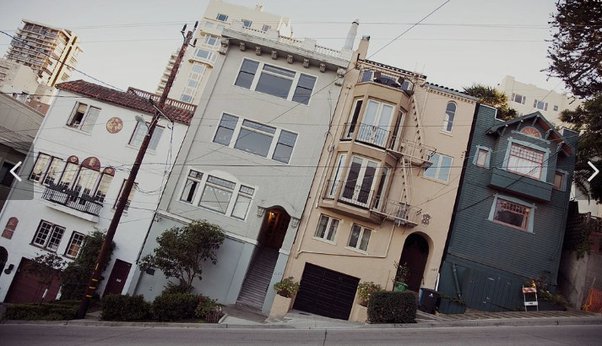
San Francisco is famous for its steep hills and winding roads, making it one of the most unique urban landscapes in the world. However, the city’s roads were not always as structured as they are today. The natural terrain created major challenges for transportation and infrastructure. Early roads were unpaved, uneven, and difficult to navigate, especially for horses and carts.
As the city grew, efforts were made to grade and flatten some streets to accommodate cars, cable cars, and pedestrians. Over the years, infrastructure projects and earthquake-related reconstructions played a role in shaping San Francisco’s roads.
Understanding San Francisco’s Hilly Terrain

- Formation of Hills: San Francisco’s hills were formed by tectonic activity and erosion, creating its distinct landscape.
- Elevation Variations: Some areas rise more than 900 feet above sea level, making construction difficult.
- Challenges for Early Settlers: Navigating these steep roads required specialized transportation methods, including cable cars and staircases.
- Impact on Development: The city’s layout was influenced by its hills, leading to unique neighborhoods and architectural designs that adapted to the terrain.
Early Road Construction and Challenges in San Francisco
- Dirt and Mud Roads: Before modern construction, roads were primarily made of dirt, gravel, or wooden planks, leading to frequent maintenance issues.
- Horse-Drawn Carriages Struggles: Steep inclines made travel difficult for early settlers, slowing down commerce and movement.
- Street Grading Begins: In the late 19th century, efforts began to level some roads using manual labor and primitive machinery.
- Impact of Railroads and Cable Cars: The introduction of cable cars in the 1870s helped address some transportation issues without requiring extensive road flattening.
The Impact of Earthquakes on San Francisco’s Roads
- 1906 Earthquake and Destruction: The massive earthquake led to fires and destruction, which gave planners a chance to redesign some roads.
- Repairs and Realignments: Some roads were rebuilt and slightly regraded during reconstruction efforts.
- Loma Prieta Earthquake (1989): This disaster led to the removal of damaged highways and improvements in street planning.
- Lessons Learned: Earthquakes proved that road engineering in San Francisco had to account for both steep terrain and seismic activity.
Did San Francisco Ever Have Flattened Roads?
- Selective Flattening: While some streets were leveled, many roads still retain their original hilly nature.
- Major Flat Areas: The Embarcadero and Market Street are among the flatter areas of the city.
- Street Modifications: Some roads have been adjusted over time, but complete flattening was never a widespread solution.
- Preserving the City’s Character: The iconic hills remain a key feature of San Francisco’s identity, making full flattening unnecessary.
Major Infrastructure Projects That Shaped San Francisco’s Roads
- Street Grading Projects: The city used excavation methods to create more gradual slopes in some areas.
- Bridge and Tunnel Constructions: The Golden Gate Bridge and Bay Bridge improved transportation without altering road elevations.
- Modern Road Adjustments: Some highways and streets have been restructured to improve accessibility, but large-scale flattening was avoided.
- Public Transit Solutions: Instead of flattening roads, the city invested in cable cars, streetcars, and underground BART systems to navigate steep areas.
Grading and Flattening Efforts in the City’s Development
- Techniques Used: Engineers relied on cut-and-fill methods to reshape certain roads.
- Why Some Roads Were Left Steep: Flattening all roads was impractical and would have required massive land alterations.
- Notable Streets That Were Graded: Some parts of Van Ness Avenue and Market Street saw modifications to improve travel.
- Balancing History and Modern Needs: Today, San Francisco maintains its historic roads while ensuring accessibility for modern transportation.
San Francisco’s roads tell a fascinating story of adaptation and engineering. While some areas have been leveled, the city’s famous hills remain a defining feature of its landscape and culture.
The Role of Cable Cars and Steep Streets in San Francisco’s Layout
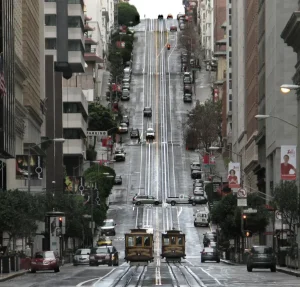
San Francisco’s cable cars and steep streets are integral to its identity, shaping both daily life and city planning. Unlike most cities, San Francisco had to adapt to extreme inclines, leading to innovative transportation solutions.
Why Cable Cars Became Essential
- Overcoming Steep Slopes: Many streets have grades exceeding 30%, making traditional transportation impractical.
- First Cable Car System (1873): Invented by Andrew Smith Hallidie, the cable car system allowed safe, efficient travel on steep roads.
- Tourism and Historic Value: Today, cable cars remain a symbol of San Francisco, attracting millions of visitors yearly.
How Steep Streets Impact City Layout
- Limited Road Flattening: Due to geography, most roads remained steep rather than being graded.
- Unique Urban Design: Houses and buildings were constructed to adapt to elevation changes, often featuring multi-level entries.
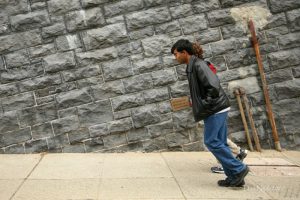
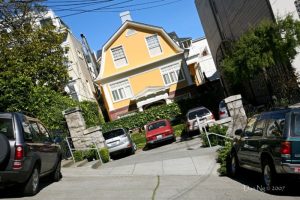
- Challenges for Drivers and Pedestrians: Steep inclines make walking and parking difficult, but residents have adjusted over time.
San Francisco’s cable car network and steep streets are essential to its infrastructure. Instead of flattening roads, the city has embraced its hilly landscape, making transportation a mix of historical charm and practical necessity.
Modern Engineering Solutions for Road Flattening in San Francisco
Flattening roads in San Francisco is a complex challenge due to its steep terrain and dense urban development. Engineers have focused on smart solutions rather than attempting full-scale flattening.
Techniques for Modifying Steep Roads
- Cut-and-Fill Excavation: Some roads have been slightly leveled by cutting higher elevations and filling lower areas.
- Staircase Streets: Instead of flattening, some roads, like Filbert Street and 16th Avenue, have been converted into pedestrian staircases.
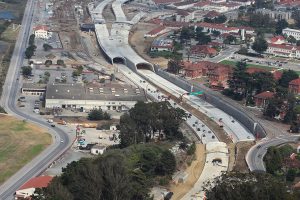
- Tunnel Systems: Underground transportation like BART and Muni Metro bypasses steep inclines.
Challenges of Full Road Flattening
- Structural Risks: Changing the landscape could destabilize buildings and increase landslide risks.
- Cost and Feasibility: Large-scale flattening would require billions of dollars and disrupt city life.
- Preserving History: The steep streets and historic cable cars are part of San Francisco’s cultural and architectural heritage.
Instead of flattening roads, modern engineering focuses on adapting transportation and infrastructure, allowing the city to function efficiently while keeping its unique character intact.
Comparison of San Francisco’s Roads to Other U.S. Cities
San Francisco’s roads stand out compared to other major U.S. cities due to their extreme inclines and historical transportation systems.
Cities with Similar Road Challenges
- Seattle, WA: Known for hilly terrain, but more roads have been flattened than in San Francisco.
- Pittsburgh, PA: Features steep streets, though cable cars (funiculars) have mostly been retired.
- Los Angeles, CA: While L.A. has some hilly neighborhoods, most of the city is flat.
Key Differences Between San Francisco and Other Cities
- Cable Cars vs. Standard Public Transit: While cities like New York and Chicago rely on subways, San Francisco’s cable cars and steep roads shape its unique transport.
- Extreme Road Slopes: San Francisco has some of the steepest residential streets in the U.S., with grades reaching over 30%, unlike flatter cities such as Houston or Miami.
- Preservation of Natural Terrain: Many U.S. cities have extensively flattened their roads, whereas San Francisco has largely retained its original geography.
San Francisco’s urban planning choices and reliance on cable cars distinguish it from other American cities, making it a global landmark of steep streets and historic transportation.
How Technology Has Influenced Road Construction in San Francisco
Advancements in technology and engineering have shaped San Francisco’s roads, allowing for better navigation, durability, and transportation options.
Technological Advancements in Road Construction
- Stronger Materials: Modern roads use reinforced concrete and flexible asphalt to withstand the city’s inclines.
- Earthquake-Resistant Infrastructure: New roads and bridges are designed to withstand seismic activity, crucial in an earthquake-prone city.
- Traffic Management Systems: GPS-based smart traffic lights and navigation apps help drivers handle steep roads more safely.
Impact on Transportation and Safety
- Improved Braking Systems: Vehicles and cable cars now feature enhanced braking technology, preventing accidents on steep slopes.
- Underground Transportation Growth: BART and Muni Metro have provided alternatives to driving, reducing congestion on steep streets.
- Automated Road Monitoring: Sensors detect road wear and seismic activity, ensuring timely maintenance.
San Francisco continues to use cutting-edge technology to maintain its unique roads while ensuring safety and efficiency for residents and visitors.
Public Perception of San Francisco’s Steep vs. Flattened Roads
San Franciscans have mixed opinions about the city’s steep roads and limited flattening efforts.
Why Many Residents Prefer Steep Streets
- Historic Charm: Many locals see the steep streets as a core part of the city’s identity.
- Tourism and Economy: Iconic hills attract visitors, boosting local businesses.
- Views and Aesthetics: Homes on hills often have stunning views, making real estate valuable.
Concerns About Steep Roads
- Traffic and Safety Issues: Navigating inclines can be dangerous, especially in bad weather.
- Accessibility Challenges: Elderly residents and people with disabilities struggle with steep streets.
- Parking and Car Maintenance: Driving on inclines puts extra strain on vehicles, leading to higher repair costs.
While flattening roads remains impractical, modern infrastructure and transit options help residents adapt to the city’s unique layout.
Frequently Asked Questions about When Did San Francisco Get Flattened Roads
Did San Francisco ever attempt to flatten all its roads?
No, large-scale flattening was never attempted due to cost, structural risks, and cultural preservation.
Which areas of San Francisco have flatter roads?
The Embarcadero, parts of SOMA, and Market Street are relatively flat compared to the city’s steeper neighborhoods.
Why weren’t cable cars replaced with more modern transit?
Cable cars remain for historical and tourism purposes, while other transit systems serve daily commuters.
What is the steepest road in San Francisco?
Filbert Street and Bradford Street have some of the city’s steepest inclines, exceeding 30% grades.
Are there any underground road systems in San Francisco?
No dedicated underground roads exist, but tunnels and subway systems like BART and Muni Metro help bypass steep areas.
Is San Francisco considering flattening more roads?
Not on a large scale—modern infrastructure improvements focus on transportation alternatives rather than altering terrain.
How do emergency vehicles handle steep roads?
Fire trucks, ambulances, and police cars use specialized braking systems and training to navigate steep streets safely.
Conclusion on When Did San Francisco Get Flattened Roads
San Francisco’s roads are a blend of historic preservation and modern engineering, adapting to both natural terrain and urban development needs. While some areas have seen partial flattening, the city has largely maintained its hilly landscape.
Modern technology, public transportation, and improved road materials help manage the challenges of steep streets. Looking ahead, future infrastructure projects will focus on safety, accessibility, and sustainability rather than flattening the city’s iconic terrain.
