


Tagliolini is a celebrated Italian pasta that embodies elegance and simplicity. Renowned for its thin, ribbon-like shape and delicate texture, Tagliolini has been a staple in Italian cuisine for centuries. Its origins lie in the northern regions of Italy, where it was traditionally handmade using simple ingredients like flour and eggs.
This versatile pasta pairs beautifully with light sauces, delicate seafood, and truffle-infused dishes, making it a favorite among both home cooks and gourmet chefs. The beauty of Tagliolini lies in its ability to absorb subtle flavors while maintaining its refined structure.
Whether enjoyed in a classic Tagliolini al Tartufo or in a simple butter and cheese preparation, this pasta promises a delightful culinary experience. Its quick cooking time and adaptability ensure that Tagliolini remains an enduring symbol of Italian culinary excellence.
What is Tagliolini?
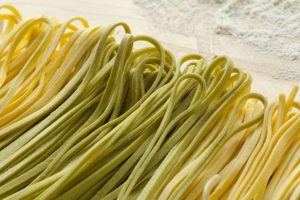
Tagliolini is a type of egg pasta known for its thin, elongated ribbons that typically measure about 2-3 mm in width. Made from a simple dough of flour and eggs, this pasta is characterized by its smooth texture and delicate appearance.
Unlike other pasta varieties that are thicker or have a different shape, Tagliolini’s narrow strands allow it to cook rapidly and perfectly absorb light sauces, enhancing its overall flavor profile. Its design makes it an ideal choice for recipes where subtlety is key, such as in seafood dishes or dishes that feature truffle oil.
Moreover, Tagliolini’s refined structure provides an elegant base for both traditional Italian dishes and contemporary culinary creations, underscoring its versatility in modern cuisine. Its light and tender quality sets it apart from more robust pastas, making it a perennial favorite among pasta enthusiasts.
History and Origin of Tagliolini
The history of Tagliolini is rich and steeped in Italian culinary tradition. Originating from regions such as Piedmont and Emilia-Romagna, this pasta was first crafted by skilled artisans who perfected the art of hand-cutting dough. The term “Tagliolini” is derived from the Italian word tagliare, meaning “to cut,” reflecting its unique preparation method.
Traditionally, Tagliolini was a dish enjoyed by the upper echelons of society, often served with luxurious ingredients like black truffles or rich broths. Over time, regional variations such as tajarin emerged, particularly in Piedmont, where a higher egg yolk content lent the pasta a golden hue and richer flavor.
Today, Tagliolini continues to evolve, celebrated in both rustic family kitchens and modern Michelin-starred restaurants, symbolizing the enduring legacy of Italian culinary innovation.
Difference Between Tagliolini and Other Pasta Types
Tagliolini is distinct from other Italian pastas due to its unique dimensions and texture. Unlike tagliatelle, which is broader (typically 6-8 mm wide) and ideal for heartier sauces, Tagliolini is much thinner at around 2-3 mm, making it perfect for delicate, light sauces that emphasize subtle flavors.
In comparison to capellini (also known as angel hair pasta), which is even thinner (approximately 1 mm), Tagliolini offers a slightly more substantial bite, balancing refinement with a satisfying mouthfeel. Below is a comparison table highlighting these differences:
This table demonstrates that while each pasta type has its unique attributes, Tagliolini excels when a lighter, more refined pasta is desired.
How Tagliolini is Made
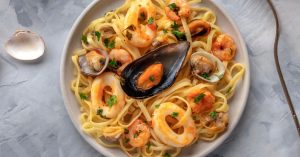
The production of Tagliolini is a meticulous process that combines tradition with precision. It begins with mixing high-quality flour and fresh eggs, along with a pinch of salt, to form a smooth and elastic dough.
This dough is then kneaded extensively until it reaches the ideal consistency, ensuring a uniform texture. Traditionally, the dough is rolled out by hand into thin sheets; however, modern pasta machines are now commonly used to achieve a consistent thickness.
Once the dough is prepared, it is carefully cut into long, slender ribbons, typically measuring 2-3 mm wide. The pasta can be enjoyed fresh, which offers a tender bite and rapid cooking time, or dried to extend its shelf life. This artisanal process highlights the skill and tradition behind crafting Tagliolini, ensuring its enduring quality in every dish.
Traditional Tagliolini Recipes
Traditional Italian recipes featuring Tagliolini celebrate its delicate nature and its ability to pair perfectly with simple, high-quality ingredients. Among the most celebrated dishes is Tagliolini al Tartufo, where the pasta is tossed with butter and aromatic black truffles to create a luxurious flavor profile.
Another classic is Tagliolini con Burro e Parmigiano, a simple yet indulgent dish that allows the pasta’s natural texture to shine through with the richness of butter and the sharpness of aged Parmesan cheese.
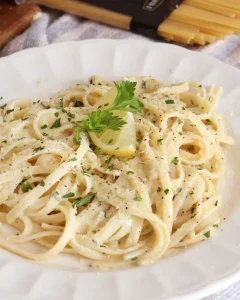
Other traditional recipes include Tagliolini in Brodo, a comforting soup-based dish that emphasizes the pasta’s ability to absorb savory broths, and Tagliolini al Limone, which incorporates a tangy lemon cream sauce for a refreshing finish. Each recipe underscores the pasta’s versatility and its pivotal role in Italian culinary traditions.
Popular Sauces for Tagliolini
The delicate nature of Tagliolini makes it an excellent canvas for a variety of sauces that enhance its subtle flavor. Light, cream-based sauces such as those used in Tagliolini Cacio e Pepe allow the pasta to shine without overpowering its delicate texture. Seafood sauces, especially those featuring lobster or shrimp, complement Tagliolini’s refined structure by infusing it with fresh, briny flavors.
Additionally, a simple butter and Parmesan sauce, often seen in Tagliolini con Burro e Parmigiano, creates a harmonious blend of creamy richness and mild sharpness. For those who appreciate luxury, truffle-infused sauces such as Tagliolini al Tartufo elevate the dish to a gourmet level.
These sauces not only accentuate the pasta’s delicate nature but also transform simple meals into sophisticated culinary experiences, making Tagliolini a favorite choice for chefs and home cooks alike.
How to Cook Tagliolini Perfectly
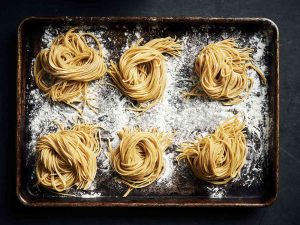
Cooking Tagliolini to perfection is an art that requires precision and attention to detail. Begin by bringing a large pot of generously salted water to a vigorous boil. For fresh Tagliolini, the cooking time is remarkably short—typically only 2-3 minutes—ensuring that the pasta remains tender yet firm. Dried Tagliolini requires slightly longer, usually around 6-7 minutes to achieve the perfect al dente texture.
Once cooked, immediately drain the pasta, reserving a small cup of pasta water to adjust the consistency of your sauce if necessary. Toss the hot pasta gently with your chosen sauce, allowing the strands to absorb the flavors fully. Garnish with freshly grated cheese, herbs, or a drizzle of olive oil for added richness.
This careful method ensures that Tagliolini retains its delicate structure and offers a sublime dining experience.
Regional Variations of Tagliolini in Italy
Across Italy, Tagliolini is celebrated in various regional specialties, each reflecting local ingredients and culinary traditions. In Piedmont, a variant known as tajarin is particularly popular; it is enriched with extra egg yolks, resulting in a richer, golden pasta that pairs wonderfully with truffle dishes. In Emilia-Romagna, Tagliolini al Ragù is a classic dish where the pasta is served with a slow-cooked meat sauce, embodying the region’s hearty flavors.
Other regions, such as Veneto and Campobasso, offer their own twists, incorporating local cheeses, seafood, or unique herbs to create distinctive pasta dishes.
These regional variations highlight the adaptability and enduring appeal of Tagliolini, as it seamlessly integrates into diverse culinary traditions while remaining a symbol of Italian gastronomy. This diversity also encourages culinary creativity, inspiring chefs to experiment with new pairings and techniques.
Best Ingredients to Pair with Tagliolini
The success of a Tagliolini dish often hinges on selecting the right ingredients to complement its delicate texture. High-quality, fresh ingredients such as locally sourced seafood, premium butter, and artisanal cheeses are ideal choices. When preparing Tagliolini al Tartufo, for example, using freshly shaved black truffles can elevate the dish to a gourmet level.
Similarly, pairing Tagliolini with a light lemon cream sauce or a rich, slow-cooked ragù can highlight the pasta’s natural ability to absorb subtle flavors. Vegetables like asparagus or peas add a burst of color and freshness, while herbs such as basil or parsley enhance the aroma.
Incorporating these ingredients not only enhances the flavor profile but also preserves the integrity of Tagliolini’s delicate structure, ensuring a harmonious blend of taste and texture in every bite.
Health Benefits of Tagliolini
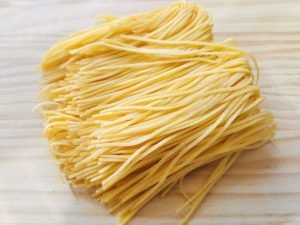
While Tagliolini is celebrated for its culinary elegance, it also offers several health benefits when prepared thoughtfully. As an egg-based pasta, Tagliolini provides a moderate source of protein, which is essential for muscle repair and overall body function. When made with whole wheat flour, it also delivers dietary fiber, aiding in digestion and promoting sustained energy levels.
Moreover, because Tagliolini is typically paired with light sauces, it can form part of a balanced, low-fat meal that supports a healthy lifestyle. The short cooking time helps preserve essential nutrients, making it a smart choice for those who seek both flavor and nutrition. Incorporating Tagliolini into your diet, alongside vegetables, lean proteins, and healthy fats, contributes to a well-rounded meal plan that can support overall well-being and long-term health.
7 Best Recipes to Make with Tagliolini
Here are seven standout recipes that showcase the versatility of Tagliolini:
Tagliolini al Tartufo: A luxurious dish featuring black truffles, butter, and a hint of cream, perfect for special occasions.
Tagliolini al Limone: A refreshing, tangy pasta with lemon cream sauce, ideal for a light yet flavorful meal.
Tagliolini in Brodo: A comforting soup-based dish made with a rich homemade broth and fresh herbs.
Tagliolini con Burro e Parmigiano: A simple yet indulgent dish where high-quality butter and aged Parmesan shine.
Tagliolini allo Scoglio: A seafood medley dish that brings together mussels, shrimp, and clams in a delicate tomato sauce.
Tagliolini Cacio e Pepe: A creamy, peppery pasta that uses minimal ingredients to create a rich flavor profile.
Lobster Tagliolini: A decadent recipe that pairs succulent lobster with a delicate, aromatic sauce.
These recipes highlight the versatility of Tagliolini, offering options for both traditional and innovative palates.
Frequently Asked Questions About Tagliolini
What is Tagliolini?
Tagliolini is a thin, egg-based pasta originating from Northern Italy, known for its delicate texture and quick cooking time.
How does Tagliolini differ from tagliatelle?
Tagliolini is thinner, typically 2-3 mm wide, compared to tagliatelle which is broader and more robust.
What are traditional Tagliolini recipes?
Popular dishes include Tagliolini al Tartufo, Tagliolini con Burro e Parmigiano, and Tagliolini in Brodo.
How long does fresh Tagliolini cook?
Fresh Tagliolini usually cooks in 2-3 minutes, while dried versions may take 6-7 minutes.
Can I make Tagliolini at home?
Yes, with flour, eggs, and a pinch of salt, you can knead and roll the dough to create your own Tagliolini.
What sauces work best with Tagliolini?
Light sauces, such as lemon cream, butter and Parmesan, and delicate seafood sauces, are ideal.
How should I store leftover Tagliolini?
Fresh pasta should be refrigerated in an airtight container for 2-3 days, while dried pasta can be stored in a cool, dry place.
Conclusion on Tagliolini
In conclusion, Tagliolini stands as a timeless gem in Italian cuisine, celebrated for its delicate, ribbon-like form and versatility. Its rich history, dating back to the artisanal traditions of Northern Italy, is evident in every strand of this elegant pasta.
Whether prepared in traditional recipes like Tagliolini al Tartufo or enjoyed in innovative modern dishes, Tagliolini continues to inspire both home cooks and professional chefs. With its quick cooking time and ability to absorb light, flavorful sauces, it remains an ideal choice for a variety of culinary applications.
Embracing Tagliolini not only pays homage to centuries of Italian heritage but also offers a delightful eating experience that marries simplicity with sophistication. Enjoy creating, experimenting, and savoring the rich flavors that Tagliolini brings to your table.
