

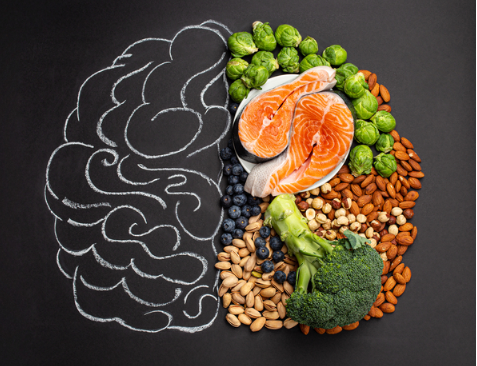
The connection between what we eat and how we feel is undeniable. Nutrition plays a pivotal role in shaping not only our physical health but also our mental clarity and emotional resilience. What we choose to consume can directly impact our brain’s ability to function optimally, influencing focus, energy, and overall mood. For individuals looking to support their mental health, certain foods can act as natural brain boosters, paving
the way for sharper thinking and improved concentration.
Nutrient-Packed Foods for Mental Clarity
Omega-3 fatty acids are one of the most celebrated nutrients for brain health. Found in fatty fish like salmon, mackerel, and sardines, these healthy fats are critical for maintaining the structural integrity of brain cells. Omega-3s also play a role in reducing inflammation, which has been linked to cognitive decline and mood disorders. If you’re not a fan of fish, plant-based options like chia seeds, flaxseeds, and walnuts offer excellent alternatives.
Another essential nutrient is antioxidants, which help combat oxidative stress in the brain. Foods like berries, dark leafy greens, and dark chocolate are packed with antioxidants, providing a protective shield for your brain cells. Berries, in particular, are known to improve communication between brain cells, enhancing memory and cognitive function.
Whole grains such as quinoa, oats, and brown rice provide a steady source of glucose, the brain’s primary energy supply. Unlike refined carbohydrates, which can cause spikes and crashes in energy, whole grains offer a sustained release of fuel, helping you stay focused throughout the day.
How Nutrition Supports ADHD Management
For those managing attention-related challenges, including ADHD, nutrition can be a game-changer. Diets rich in protein, complex carbohydrates, and healthy fats help stabilize blood sugar levels, which can prevent energy dips and improve focus. Protein-rich foods like eggs, lean meats, and legumes are particularly effective in supporting the production of dopamine, a neurotransmitter critical for attention and motivation.
Many individuals ask about the connection between diet and the different types of ADHD, which include predominantly inattentive, predominantly hyperactive-impulsive, and combined presentations. While nutrition alone cannot treat ADHD, it can significantly influence how symptoms are managed. For example, avoiding artificial additives and incorporating brain-friendly foods can help reduce hyperactivity and
enhance concentration in those with the condition.
The Importance of Micronutrients
While macronutrients like protein, carbohydrates, and fats are essential, micronutrients—vitamins and minerals—play an equally vital role. Vitamin D, often called the sunshine vitamin, is linked to improved mood and cognitive function น้ำปลา.
Spending time outdoors and consuming foods like fortified milk and fatty fish can help maintain optimal vitamin D levels.
Magnesium is another key player, known for its ability to calm the nervous system and reduce stress. Incorporating magnesium-rich foods like almonds, spinach, and avocados into your diet can help support mental clarity and emotional stability.
B vitamins, particularly B6 and B12, are crucial for brain health. These vitamins support the production of serotonin and dopamine, neurotransmitters that regulate mood and focus. Foods like bananas, chicken, and fortified cereals are excellent sources of B vitamins.
Simple Strategies for Better Nutrition
Building a brain-boosting diet doesn’t have to be complicated. Start by incorporating more whole, unprocessed foods into your meals. Preparing snacks like a handful of mixed nuts, a piece of fruit, or vegetable sticks with hummus can keep your energy levels stable throughout the day.
Meal prepping is another effective way to ensure you have nutritious options readily available. Cooking in batches and storing meals in the fridge or freezer can save time and reduce the temptation to reach for less healthy convenience foods. Aim to balance your plate with a mix of protein, healthy fats, and fiber-rich carbohydrates to provide sustained energy and focus.
Hydration is just as important as the food you eat. Dehydration, even mild, can impair cognitive function and mood. Make it a habit to carry a water bottle with you and sip throughout the day. Adding a slice of lemon or a splash of natural fruit juice can make
hydration is more enjoyable.
The Long-Term Benefits of Brain-Healthy Eating
Adopting a nutrient-rich diet is not just about immediate improvements in focus and energy—it’s an investment in your long-term mental health. Studies have shown that diets high in processed foods and added sugars are associated with increased risks of depression and cognitive decline. By choosing whole foods and prioritizing nutrition, you’re taking proactive steps to protect your brain and emotional well-being.
For those with ADHD or other attention-related challenges, the connection between diet and brain health is particularly significant. By understanding how specific nutrients impact the brain, you can make informed choices that support both your mental and physical health. Whether it’s adding more omega-3-rich salmon to your meals or swapping out sugary snacks for nutrient-dense options, these small changes can lead to big results.
