

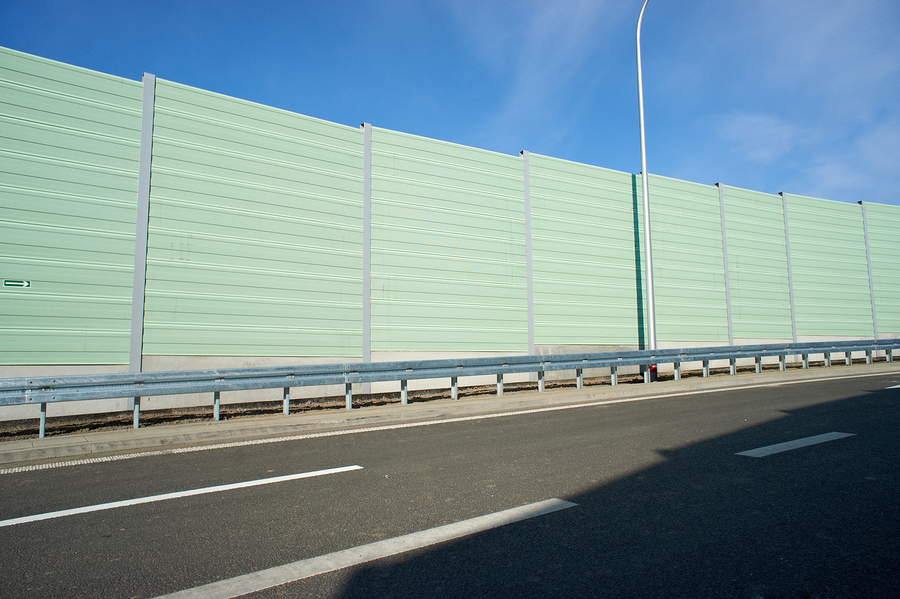
Sound barrier walls have become indispensable in combating noise pollution, particularly in urban and suburban areas where the sounds of highways, railroads, and industrial zones can disrupt daily life. These structures are more than just physical barriers; they are engineering marvels designed to enhance quality of life. By understanding their functionality, design, and benefits, we can appreciate their impact on creating quieter, healthier, and more enjoyable living environments.
How Sound Barrier Walls Work
Noise pollution occurs when unwanted sounds interfere with daily activities, causing stress and discomfort. Sound barrier walls address this issue by disrupting the natural pathways of sound waves, preventing them from reaching sensitive areas such as residential neighborhoods, schools, and hospitals.
Sound waves travel in all directions and can reflect off surfaces, creating echoes and amplifying noise. Sound barrier walls mitigate this by employing one or more of the following principles:
- Absorption: Some walls are designed with materials that absorb sound energy, reducing the intensity of the sound waves that pass through.
- Reflection: Other designs redirect sound waves back toward their source or upward, away from sensitive areas.
- Diffusion: Certain barriers scatter sound waves in different directions, minimizing their impact.
The effectiveness of these walls is measured by their Sound Transmission Class (STC) rating. This rating indicates how well a material or structure blocks sound. Higher STC ratings correspond to greater noise reduction capabilities. For instance, a barrier with an STC rating of 50 will block more noise than one rated at 30.
Proper placement is crucial for sound barrier walls to achieve optimal results. Engineers analyze factors such as the height of the noise source, the distance to the sensitive area, and the topography of the land to determine the best locations. When installed correctly, these barriers can reduce noise levels by 10 to 15 decibels, effectively halving the perceived loudness.
Materials and Design Considerations
The materials and design of sound barrier walls play a significant role in their effectiveness and integration into the environment. Let’s explore the materials commonly used:
- Concrete: Dense and durable, concrete is one of the most effective materials for blocking low-frequency noises, such as those produced by heavy vehicles. Precast concrete panels can be textured, patterned, or painted to match the surrounding environment.
- Metal: Aluminum and steel are lightweight, easy to install, and effective at reflecting sound waves. They are commonly used in areas requiring quick installations or temporary barriers.
- Acrylic and Polycarbonate: These transparent materials are ideal for locations where visibility is important, such as near scenic highways or residential areas with desirable views. They provide a balance between sound reduction and maintaining aesthetics.
- Wood: In some regions, wood is used for its natural appearance and moderate sound-absorbing properties. However, it may require more maintenance over time compared to other materials.
The choice of material often depends on the specific needs of a location, including the type of noise, environmental conditions, and budget considerations. In many cases, a combination of materials is used to achieve the desired balance of functionality and aesthetics.
In terms of design, modern sound barriers are no longer monotonous or utilitarian. Innovative designs incorporate artistic elements, greenery, or landscaping to make the structures visually appealing. This not only helps the walls blend into their surroundings but also contributes to the overall aesthetic value of the area.
Benefits of Sound Barrier Walls
Sound barrier walls offer a range of benefits that go beyond noise reduction. Some of the key advantages include:
- Improved Health and Well-Being
Noise pollution has been linked to various health issues, including stress, sleep disturbances, and cardiovascular problems. By reducing noise levels, sound barriers create a healthier living environment, allowing residents to enjoy greater peace and tranquility. - Enhanced Property Values
Homes and properties located near highways or railways often suffer from lower market values due to noise pollution. Installing sound barrier walls can increase property values by making these areas more desirable. - Aesthetic Enhancements
Modern sound barriers are designed with aesthetics in mind. From murals and textured surfaces to integration with natural elements like plants and trees, these walls can enhance the visual appeal of urban and suburban landscapes. - Environmental Benefits
Some sound barrier designs incorporate sustainable materials or serve dual purposes, such as reducing wind or managing stormwater runoff. For example, barriers with green walls or integrated vegetation can improve air quality and support local ecosystems.
Challenges in Implementation
Despite their numerous benefits, implementing sound barrier walls presents certain challenges:
- Spatial Constraints
Urban areas are often densely developed, leaving little room for large structures. Engineers must carefully plan to avoid disrupting existing infrastructure or encroaching on private properties. - Material Costs
High-quality materials required for effective sound barriers can be expensive, especially when additional considerations like durability and aesthetics are factored in. Balancing cost with performance is a key challenge for many projects. - Regulatory Compliance
Local regulations and environmental laws can impact the design and placement of sound barriers. Obtaining permits and meeting compliance standards often requires extensive planning and collaboration with various stakeholders. - Community Acceptance
In some cases, communities may oppose sound barrier projects due to concerns about aesthetics or perceived disruptions during construction. Transparent communication and inclusive planning can help address these concerns.
Case Studies Highlighting Effectiveness
Real-world applications of sound barrier walls showcase their transformative potential:
- Los Angeles, California: Transparent acrylic panels along Interstate 405 reduced traffic noise by approximately 10 dB, significantly improving the quality of life for nearby residents. The barriers also maintained the scenic views of the area, earning widespread community support.
- Toronto, Canada: A combination of earth berms and concrete walls along the Gardiner Expressway achieved notable noise reduction while contributing to environmental stability. The project also led to a 30% increase in property values in the surrounding area.
- Munich, Germany: Transparent sound barriers along the Autobahn 96 provided effective noise reduction while preserving views of the Bavarian landscape. Post-installation surveys revealed increased community satisfaction and support for further noise mitigation initiatives.
Conclusion
Sound barrier walls are more than just utilitarian structures; they are integral to creating healthier, quieter, and more aesthetically pleasing environments. By employing advanced materials, strategic placement, and innovative designs, these barriers reduce noise pollution, enhance property values, and improve overall quality of life.
While their implementation comes with challenges, careful planning and collaboration can ensure successful outcomes. As the demand for effective noise reduction solutions grows, sound barrier walls will continue to play a vital role in shaping livable urban and suburban spaces.
