

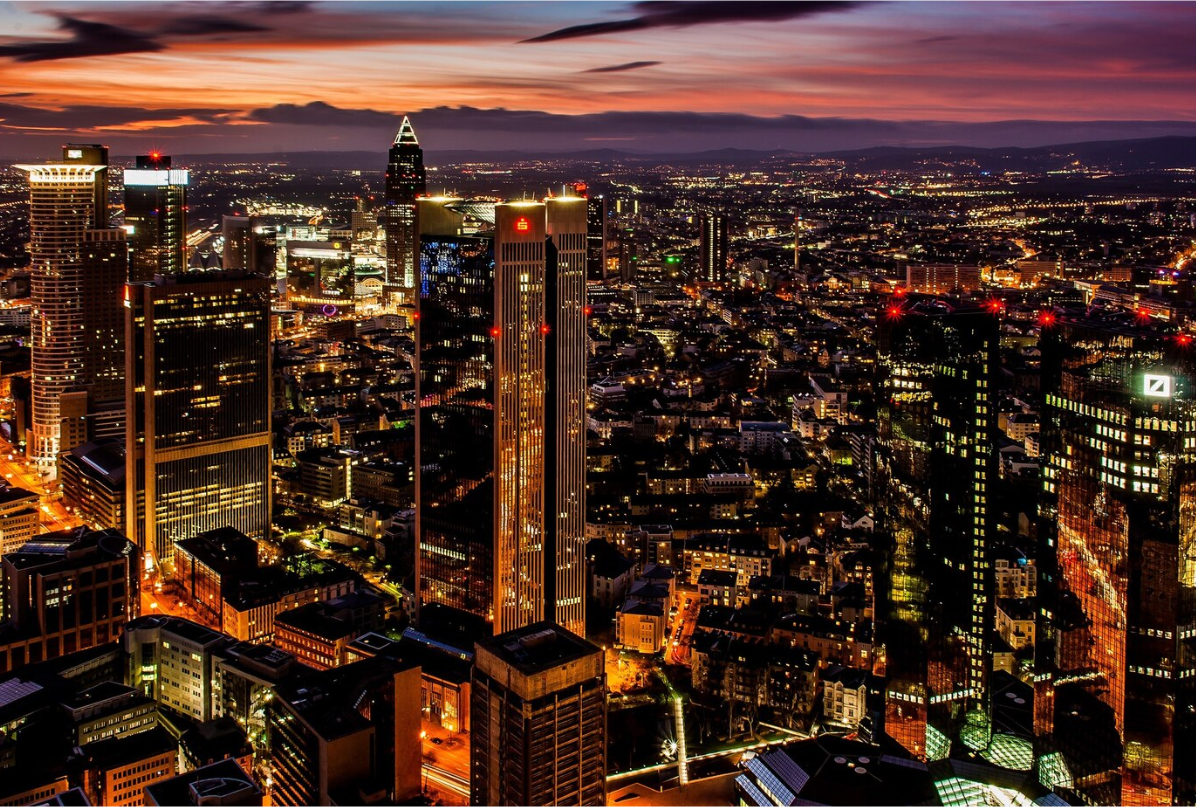
In the 21st century, global cities are undergoing a transformation that challenges traditional notions of living and urban design. As urban populations grow and resources become scarcer, innovative approaches to architecture, technology, and sustainability are reshaping how people live, work, and interact with their surroundings. This evolution is not merely a trend but a necessity driven by the demands of modern life.
Smart Cities and Integrated Technology
Technology lies at the heart of modern urban living. Cities worldwide are adopting smart technologies to enhance convenience, safety, and sustainability. Smart homes equipped with interconnected devices are becoming the norm, offering residents the ability to control lighting, temperature, and security systems with ease.
Beyond individual homes, urban planners are leveraging data analytics and artificial intelligence to optimize city operations. From real-time traffic management systems to energy-efficient grids, the integration of technology creates environments that adapt dynamically to the needs of their inhabitants. Notably, virtual reality in architecture is revolutionizing how spaces are designed and visualized, allowing architects to explore innovative layouts and concepts before they are constructed.
Sustainable Living and Green Design
As environmental concerns become more pressing, sustainability has emerged as a cornerstone of modern living. Global cities are adopting green building standards and incorporating eco-friendly designs to reduce their carbon footprint. Rooftop gardens, vertical forests, and solar-powered buildings are transforming cityscapes into havens of sustainable living.
The push for sustainability also extends to transportation. Cities are increasingly emphasizing public transit systems, bike-sharing programs, and pedestrian-friendly streets. This not only reduces congestion but also improves air quality and overall livability. In global hubs such as Singapore and Copenhagen, these initiatives are models for sustainable urban living.
Mixed-Use Developments: Blurring Boundaries
Modern urban spaces are no longer confined to rigid zoning rules. Mixed-use developments, which blend residential, commercial, and recreational spaces, are becoming increasingly popular. These developments create vibrant communities where people can live, work, and socialize within walking distance.
Such designs cater to the demands of a fast-paced lifestyle, reducing commute times and fostering a sense of connection among residents. This trend is particularly evident in major cities where space is limited, and the need for multifunctional areas is critical.
Affordable Housing Challenges
Despite advancements in design and technology, affordable housing remains a significant challenge in many global cities. Rapid urbanization has led to skyrocketing property prices, forcing governments and planners to explore creative solutions.
In some regions, modular construction techniques are being employed to reduce costs and build homes more quickly. Co-living spaces, where residents share amenities and communal areas, are also gaining traction as a viable solution to housing shortages. Such approaches highlight the importance of inclusivity in shaping the future of modern living.
The Role of Iconic Architecture
Global cities are often defined by their skylines, and iconic architecture plays a key role in shaping their identity. Innovative designs not only enhance a city’s aesthetic appeal but also symbolize its aspirations and values.
In places like Dubai, for instance, architectural landmarks have become synonymous with luxury and progress. The integration of cutting-edge technology and sustainable practices in these designs reflects the city’s vision for the future. For those considering real estate in Dubai, these projects highlight the region’s commitment to innovation and excellence in urban planning.
Cultural Influences in Urban Living
While technology and sustainability are central to modern urban living, cultural influences remain deeply embedded in the fabric of cities. From the design of communal spaces to the layout of residential units, traditions and local customs often shape architectural choices.
In Tokyo, for example, compact living solutions cater to the city’s dense population while embracing minimalist aesthetics rooted in Japanese culture. Similarly, Mediterranean cities balance modernity with a respect for historical preservation, blending old-world charm with contemporary functionality.
Resilience and Adaptability
The unpredictable challenges of climate change, pandemics, and economic instability have emphasized the need for resilience in urban design. Modern living spaces are being designed with adaptability in mind, incorporating flexible layouts and multipurpose areas.
For example, residential units with home offices have become a standard feature in many new developments, reflecting the rise of remote work. Public spaces are also being reimagined to accommodate social distancing while maintaining their role as community hubs.
The Future of Urban Living
Looking ahead, the concept of modern living in global cities will continue to evolve. Innovations in materials science, artificial intelligence, and urban agriculture are poised to reshape the urban landscape further. Floating cities, self-sustaining communities, and automated construction methods are no longer the stuff of science fiction but tangible possibilities.
The role of individuals and communities will also grow in importance. Collaborative efforts between residents, planners, and governments will ensure that urban spaces remain inclusive, sustainable, and adaptive to changing needs.
As global cities redefine themselves, they serve as laboratories for experimentation and innovation, offering lessons for urban centers worldwide. By embracing forward-thinking approaches, these cities are not only meeting the challenges of today but also paving the way for a brighter, more sustainable future.
Conclusion
Modern living in global cities is an intricate balance of tradition and innovation, technology and sustainability, inclusivity and exclusivity. The transformation of urban spaces reflects the collective aspirations of humanity, striving for environments that are not only functional but also inspiring. Whether through the lens of virtual reality in architecture or the dynamic real estate opportunities in Dubai, these developments highlight the boundless possibilities of reimagining urban life.
By redefining spaces, global cities are not just adapting to the future—they are actively shaping it.
