

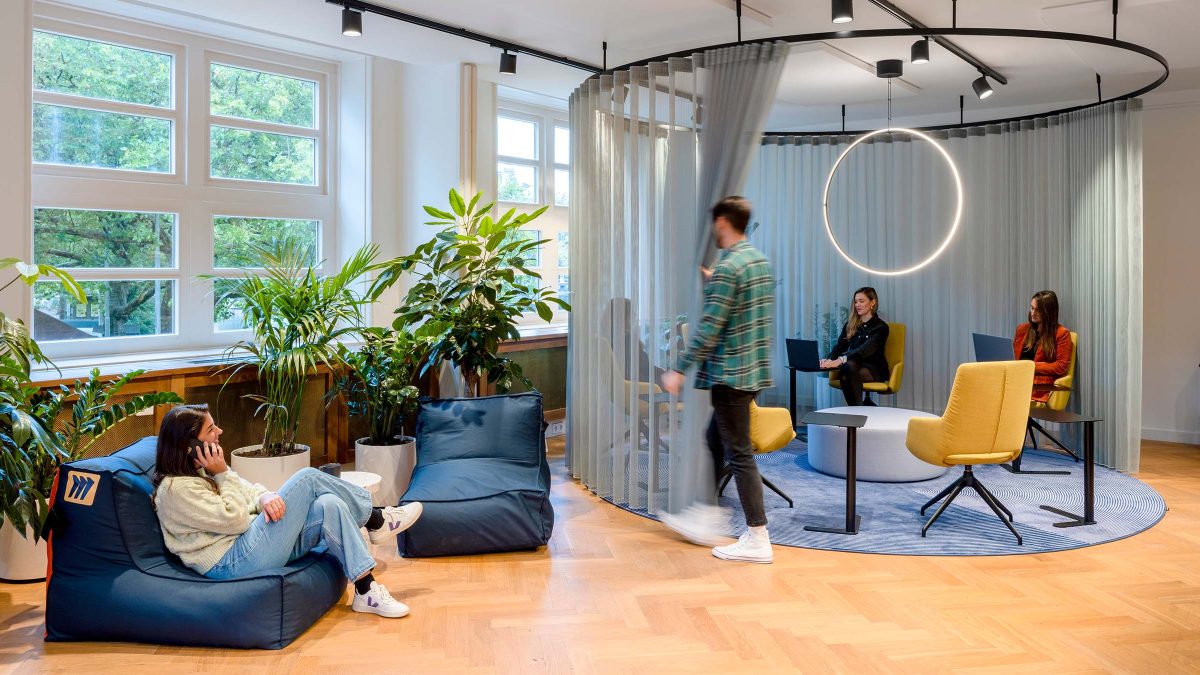
In modern work environments, office design is no longer just about aesthetics; it’s about creating spaces that promote health, comfort, and productivity. A well-designed office not only supports employees physically but also boosts their mental focus and job satisfaction. From furniture to lighting, every detail can impact the well-being of your team.
This blog explores how thoughtful office design can improve employee health and provides actionable tips to create a workspace that enhances both comfort and efficiency.
Why Office Design Impacts Health
A good office design ensures employees can work comfortably for long hours without developing health issues like back pain, eye strain, or stress. Poor design, such as uncomfortable seating or bad lighting, often leads to fatigue and reduced productivity.
The right furniture plays a vital role in addressing these challenges. For instance, using an ergonomic chair promotes proper posture and reduces strain on the body, helping employees stay productive and comfortable throughout the day.
Key Features of a Healthy Workspace
-
Comfortable and Supportive Furniture
Ergonomic furniture ensures proper alignment of the spine and reduces joint stress. Chairs with lumbar support and adjustable desks can make all the difference. By providing options that cater to different body types and preferences, you create a workspace that everyone can enjoy. -
Natural and Adjustable Lighting
Poor lighting can cause headaches and eye strain. Natural light is ideal, but when that’s not possible, use LED lighting that mimics daylight. Adjustable lighting options allow employees to customise their workspace to avoid glare. -
Clutter-Free Layouts
A tidy workspace isn’t just visually appealing—it helps reduce stress and enhances focus. Modular furniture and storage solutions help maintain organisation, giving employees more room to work effectively. -
Encouraging Movement
Prolonged sitting has negative health impacts. Incorporating standing desks or breakout areas encourages movement throughout the day, improving circulation and energy levels. -
Good Air Quality
Fresh air isn’t just about comfort—it impacts cognitive function. Invest in proper ventilation and consider adding plants to improve air quality and create a calming atmosphere.
The Role of Ergonomics in the Workplace
Ergonomics is about designing workspaces that align with the needs of employees, ensuring safety, efficiency, and comfort. By focusing on ergonomic principles, companies can reduce workplace injuries and boost employee satisfaction.
Research shows that businesses implementing ergonomic solutions, such as adjustable seating and sit-stand desks, report fewer health complaints and increased morale. Learn more about the broader impact of ergonomics in industries like healthcare by exploring this article.
How to Create a Health-Focused Office
-
Assess Your Workspace Needs
Begin by collecting feedback from employees about their workspace challenges. Do they struggle with back pain? Are the desks too low? Understanding these issues helps you prioritise the right upgrades. -
Invest in Ergonomic Furniture
High-quality furniture is an investment in your employees’ health. Adjustable chairs, like ergonomic chair, provide proper support and allow customisation for individual comfort. -
Encourage Active Work Habits
Add standing desks or encourage employees to take regular movement breaks. Even small changes, like setting reminders to stretch or walk, can reduce the risks of a sedentary lifestyle. -
Improve Lighting and Acoustics
Poor lighting and excessive noise can disrupt focus and lower productivity. Use layered lighting solutions and soundproofing materials to create a more comfortable work environment. -
Provide Training on Workspace Setup
Ergonomic furniture is only effective if used correctly. Offer training sessions to show employees how to adjust their chairs, desks, and monitors to suit their needs.
Why Healthy Office Design Is Worth It
Investing in better office design offers long-term benefits for both employees and organisations:
-
Improved Productivity: Comfortable employees can focus better, leading to increased efficiency.
-
Lower Absenteeism: Healthier work environments reduce sick days and workplace injuries.
-
Higher Job Satisfaction: Employees feel valued when their health and well-being are prioritised, leading to better morale and loyalty.
-
Attracting Top Talent: A well-designed office is a key factor in attracting and retaining skilled professionals.
The connection between office design and employee health is clear. By making simple changes like upgrading to an ergonomic chair, improving lighting, and encouraging movement you can create a workspace that supports well-being and boosts productivity.
