

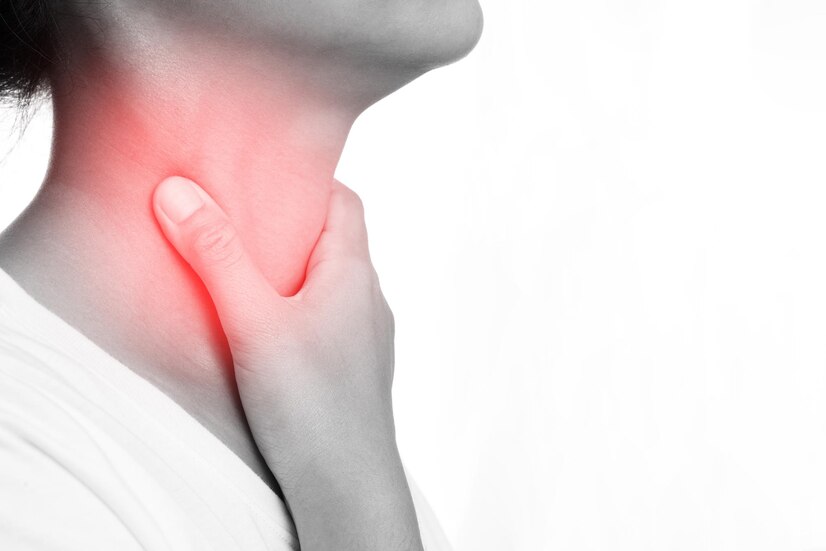
The thyroid hormone is primarily in charge of regulating your body’s metabolic rate, and during pregnancy, it is essential for the development of the baby’s brain. Thyroid hormone is produced and released by the thyroid, a tiny, butterfly-shaped gland in the front of your throat. Apart from controlling your metabolic rate, it also affects bone maintenance, and the regulation of heart, muscle, and digestive functions.
From an early stage of pregnancy, the fetus relies on the mother for thyroid hormone, but the dependence falls when the fetal thyroid gland starts to manufacture thyroid hormones in the second trimester. If the mother’s body doesn’t create enough thyroid hormone during pregnancy, the fetus is affected by thyroid deficiency. Similarly, if the mother has high thyroid levels, that also affects the baby.
Doctors often recommend a thyroid profile test during the early stages of pregnancy to check the T3 and T4 thyroid levels to ensure they are at the correct level. Let us take a thorough look at the importance of T3 and T4 in pregnancy and how it can affect fetal development.
What is T3 and T4?
Thyroid hormone is the result of the interaction between thyroxine (T4) and triiodothyronine (T3), the two primary hormones released by your thyroid gland. Your organs convert the T4 that your thyroid releases into T3 through a process known as de-iodination, and then the T3 affects your cells and metabolism. This is due to the fact that cells with receptors for thyroid hormone are more adapted at using T3 than T4, which is why T3 is usually thought to be the active form of thyroid hormone and T4 to be the inactive type. A thyroid profile test can be used to check the levels of T3 and T4 in your body.
The Role of Thyroid Hormones during Pregnancy
The proper development of your baby’s brain and nervous system depends on thyroid hormones it receives from your body. Your fetus entirely depends on your thyroid hormone supply throughout the first trimester until the fetal thyroid gland begins to function on its own at about 12 weeks of pregnancy. However, the fetal thyroid gland doesn’t produce enough thyroid hormone until 20 weeks of pregnancy, so the baby often requires thyroid from you until this time.
If you have thyroid diseases during pregnancy and the baby doesn’t receive the correct levels of this hormone as a result, that will seriously affect fetal growth. In most healthy women, the thyroid enlarges somewhat during pregnancy, but not enough for a medical practitioner to feel during a physical examination. Because of the increased levels of thyroid hormones and other symptoms common to both thyroid diseases and pregnancy, thyroid issues can be difficult to identify during pregnancy. To ensure that the fetus grows healthily, your doctor may suggest a thyroid profile test for hyperthyroidism or hypothyroidism if you exhibit any of the identifiable signs of thyroid conditions.
Effects of Low T3 and T4 Levels in Pregnancy
When you have lower T3 and T4 levels than normal, it is called hypothyroidism. As we have already mentioned, the fetus depends on the mother for thyroid hormones throughout the first several months of pregnancy, and an important role is played by this hormone in the healthy brain development of the fetus. If the mother has hypothyroidism, the consequences of thyroid hormone deprivation on the fetus may be permanent.
According to research, children whose mothers had hypothyroidism during pregnancy had mental and physical development issues and lower IQs. However, women with hypothyroidism can give birth to healthy, unaffected children if their condition is well managed, which is frequently achieved by raising the thyroid hormone level through medical intervention.
Pregnancy loss may be more common in persons with chronic lymphocytic thyroiditis (CLT), often known as Hashimoto’s thyroiditis. In CLT, the thyroid gland is attacked by the immune system, resulting in thyroid gland destruction and reduced thyroid function, and some pregnant women with CLT may experience an increased risk of stillbirth and miscarriage.
For women who are at a high risk of hypothyroidism, laboratory screening of thyroid functions should be taken into consideration by their healthcare professional. Early detection and treatment of hypothyroidism in the mother is the only way to shield the fetus from the negative consequences of the condition.
Effects of High T3 and T4 Levels in Pregnancy
When you have higher T3 and T4 levels than normal, the condition is called hyperthyroidism, and its negative effects on pregnancy are numerous. Preterm delivery (birth before 37 weeks of pregnancy) and low birth weight of the baby are common outcomes of this condition. Thyroid storm, a severe, potentially fatal type of hyperthyroidism, might make pregnancy very difficult. This is because your thyroid hormone levels are abnormally high in this illness, which can lead to shock, dehydration, fast and irregular heartbeat, and high temperature if left untreated.
In the rare case of Graves’ illness, the fetus may be impacted by high levels of thyroid because the disease produces excessive amounts of thyroid hormone. If you have this disease your body continues to produce the TSI antibodies even if your hyperthyroidism was treated with iodine to kill thyroid cells or with thyroid removal surgery. High quantities of this antibody may allow TSI to enter the fetal circulation and cause harm to the fetus.
Final Remarks
Abnormal levels of T3 and T4 thyroid hormones can impact as many as 7% of pregnancies. These hormones contribute to healthy fetus growth and function, including the growth of the brain and nervous system, which means it is of utmost importance that the fetus receives the correct levels of thyroid hormones from the mother.
To fulfill the needs of the growing fetus, the body naturally produces more T4 throughout pregnancy, however, a thyroid disease can affect this process. If during pregnancy, the mother suffers from anxiety, mood changes, weight gain, cramping in the muscles, and fatigue, it is necessary to see the doctor and get a thyroid profile test immediately.
Contact Pathkind Labs today to get a t3 t4 tsh test done from the comfort of your home!
