

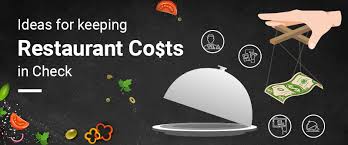
Restaurants can be very profitable ventures, but that’s only the case when the management can keep costs under control. Whether you’re running a large, high-volume restaurant or a smaller café, these five tips can help you to control the expenses of the restaurant. In turn, you should be able to keep prices affordable and still turn a decent profit.
1: Optimize the menu to control ingredients
One of the most effective ways to control costs is to optimize the menu. By keeping the number of ingredients you need to a minimum, you reduce the chance of purchasing too many of a single item or having to find storage for a plethora of different ingredients.
Focus on keeping the menu to items you know will sell well. You can always choose to add seasonal or limited time items if there are some that you want to offer, but think they won’t be too popular.
2: Standardize the menu with portion sizes
Oversized portions are one of the fastest ways to eat away at profits. While guests may associate larger portions with better value, the portion they receive should be carefully measured to ensure that each dish can turn a profit.
Everyone who preps ingredients, cooks food, or plates dishes should know exactly what a single portion contains. Servers must be trained to always include the extra fee for larger portion sizes if that’s something your restaurant offers.
In the case of full meals, adding extra “filler” items, such as a bit more corn, mashed potatoes or an extra cornbread muffin could be a way to make the plate look fuller without having to add a bigger portion of things like steak or other proteins. Another option is to change the plate size, shape or design. Plates that have a decorative edge appear fuller because the design takes up some of the empty space on the plate.
3: Use restaurant software for inventory management and sales tracking
Using software restaurant management for inventory management and sales tracking is a long-term solution to keep food and supply costs under control. These programs offer a real-time look at what should be in the store and how specific items are selling. This can help to ensure you aren’t ordering too much or too little of anything that may spoil.
4: Negotiate with suppliers to control costs
Food and product suppliers are often a major source of outgoing money. When possible, try to work with smaller local suppliers that may be able to offer you a better cost than national chains. Oftentimes, these smaller suppliers will negotiate better prices with you in exchange for guaranteed orders.
5: Take steps to reduce overhead
Overhead costs, such as utilities and staffing, are major expenses for restaurants. You can ensure you have energy-efficient appliances and equipment. When it comes to staffing costs, you can use the sales information from the software you use to determine when you need to have the restaurant fully staffed. Cutting down a skeleton crew during slow periods can help to reduce overhead costs, but you must be sure that you aren’t putting too much stress on that crew or service may suffer.
Ultimately, keeping a restaurant’s costs to a minimum is an ongoing project. Restaurant owners and managers should keep an open dialogue so they can effectively control costs without sacrificing guest experience.
