

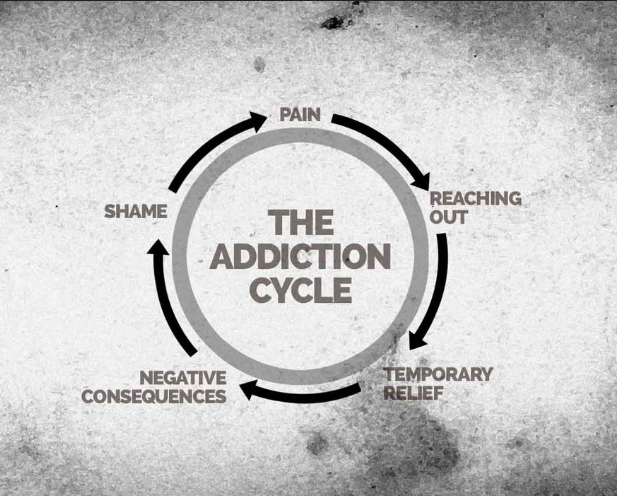
Addiction is a tough topic. It’s personal, layered, and often carries a weight that’s hard to shake. But if there’s one thing that’s clear, it’s that the way we approach addiction is evolving fast. People are finally starting to see it less as a failure and more as a health issue, a problem that can be faced head-on with the right tools. Whether it’s substance use, gambling, or even tech addiction, the path to recovery is becoming more diverse and personalized. Let’s break down some of the ways the game is changing and how those trapped in addiction are finding their way out.
Beyond the “One Size Fits All” Mentality
Back in the day, treatment was more like a cookie-cutter factory. Rehab, detox, 12 steps, and hope for the best. While those methods worked (and still do for many), a new wave of recovery programs is acknowledging that no two addicts are the same, and neither should their recovery paths be.
Some people thrive in structured environments like residential treatment, while others prefer more flexible outpatient programs. We’re seeing an increase in harm reduction strategies—like using Suboxone for opioid addiction or nicotine patches for smoking—that focus on minimizing harm rather than complete abstinence right off the bat. The aim is to meet people where they are, understanding that recovery is a process, not a destination.
On top of that, there’s a greater push toward treating the root causes of addiction—mental health issues, trauma, and societal pressures—rather than just the symptoms. It’s all about looking at the person holistically, acknowledging that addiction is often a response to something much deeper.
Heroin Addiction and the Road Less Traveled
Speaking of root causes, let’s talk about heroin addiction, one of the most misunderstood and feared types of substance use disorders. Heroin’s grip is fierce, but it’s not unbreakable. What’s refreshing today is how we’re moving away from seeing people who use heroin as “lost causes” and instead focusing on new, creative paths to healing.
It’s no longer just about locking someone away in rehab. Now, there are online communities, peer support groups, and even VR therapy options emerging for people dealing with addiction. These options allow someone to access help no matter where they are, giving them control over their recovery while staying connected with others who understand what they’re going through. For those who prefer a more traditional route, there are still detox centers and clinics—but with added modern twists like meditation, art therapy, and even adventure therapy to keep people engaged in the process.
The stigma around heroin addiction still exists, but it’s shrinking as more people come forward with their stories, showing that anyone can get caught up in it—and anyone can break free.
Location, Location, Location: Why Environment Matters
There’s something powerful about getting out of your usual surroundings when you’re trying to kick a habit. It’s like hitting a reset button on life. For many struggling with addiction, staying in the same place means staying in the same cycle. That’s why more people are choosing to recover in places that are completely new to them, far from the triggers and routines that contributed to their substance use.
Like a Rancho Cucamonga drug rehab or one in Nashville—you just want to be in an unfamiliar city away from triggers. The idea is to shake up the routine, find yourself in a different environment, and discover new parts of yourself that aren’t tied to your addiction. You’re not just breaking away from the drug or behavior but from the surroundings that fed it.
On top of that, there’s a mental benefit to being in a new city. You see life differently when you’re not surrounded by constant reminders of your past. Whether it’s the big city buzz or a quiet mountain town, getting out can be as transformative as the therapy itself. And now, recovery centers are recognizing this, offering programs in some of the most beautiful, remote locations in the country, giving people the chance to heal in peace.
Tech Addiction: The New Frontier
Let’s be real, the world today is more connected than ever, and that’s not always a good thing. While substance addiction has been a part of human history for centuries, tech addiction is a newer beast. Whether it’s gaming, social media, or just endless scrolling, people are finding themselves hooked in ways that weren’t even possible a decade ago.
Fortunately, the recovery world is catching up. Specialized programs are popping up, designed specifically for tech addiction. These programs aren’t just about cutting out screen time (though that’s part of it); they’re about rewiring how people interact with the digital world. Meditation apps, digital detox retreats, and even accountability software are helping people find balance in a tech-heavy world.
It’s clear that tech addiction is here to stay, but so are the solutions. With a growing awareness of the problem, more people are realizing that it’s not just about turning off your phone—it’s about finding healthier ways to engage with the online world.
Recovery Is Personal
At the end of the day, there’s no right or wrong way to recover. What works for one person might not work for another, and that’s okay. What’s important is that the options are there—whether it’s residential treatment, online support, or a week in a peaceful, isolated rehab far from home.
We’re moving in the right direction, seeing addiction for what it really is: a complicated, deeply personal experience. And the more personalized recovery becomes, the more successful it will be. Whether it’s heroin addiction or gaming addiction, people deserve to recover in a way that works for them. After all, it’s not just about breaking the habit—it’s about building a life worth living beyond it.
