

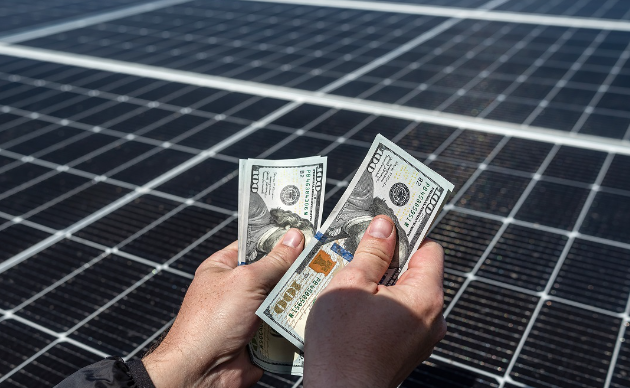
The solar energy sector in India has been developing rather quickly and solar photo voltaic panels are becoming common in households, offices and commercial centers. It is imperative for both consumers and industry leaders to understand the dynamics of this demand particularly the factors that affect solar panel prices in the Indian market as the demand for solar power continues to grow.
The Impact of Technology: From Mono PERC to TOPCon Solar Panels
One of the most critical parameters that determine how much one will pay for a solar panel is the type of solar technology used. The old polycrystalline and monocrystalline panels have been replaced by developing technologies like Mono PERC and Tunnel Oxide Passivated Contact (TOPCon) solar panels. The efficiency of the bifacial solar panels has also contributed to the popularity of TOPCon Solar Panel technology which boasts of conversion rates of 28%. This change in technology usually comes at a cost which increases the price of solar installations.
Size of the Solar System
The size of the solar system being installed is a significant factor influencing the overall price per kilowatt in the Indian market. There’s a clear trend of decreasing costs per kilowatt as the system size increases, demonstrating the principle of economies of scale in solar installations. As of 2024, the pricing structure typically follows this pattern:
- 1kW – 3kW Solar System: Priced at approximately ₹60,000/kW
- 4kW – 10kW Solar System: Costs around ₹55,000/kW
- 11kW – 50kW Solar System: Priced at about ₹50,000/kW
- 51kW – 100kW Solar System: Costs approximately ₹40,000/kW
- Above 100kW Solar System: Priced at around ₹30,000/kW
This scaling effect is due to various factors, including bulk purchasing of components, more efficient use of labor and equipment during installation, and spreading fixed costs over a larger system. For individual solar panels, the price ranges from ₹25 to ₹30 per watt, translating to ₹25,000 to ₹30,000 for a 1 kW panel, inclusive of taxes and transportation. This pricing structure encourages larger installations, particularly for commercial and industrial applications, while also making smaller residential systems increasingly affordable. Understanding this size-based pricing can help consumers and businesses choose the most cost-effective solar solution for their needs.
Government Policies and Subsidies: Driving Down Costs
Policies implemented by the government are one of the most important determinants on the cost of solar panels. For example, in the case of DCR solar panels in India, the government provides a subsidy up to 40% of the cost and a DCR solar panel is completely produced in India. Such statutes however do not only encourage self dependence in hardware manufacturing industries but also lower the cost potential end users will have to incur in obtaining solar energy.
Market Demand and Supply Dynamics
Advertisements for every single product will always feature the laws of supply as well as, diversification activities and expansion will always help in the rise of more competition and thus lower prices. The growing concern on the use of energy has fostered the demand growth which in turn means potentially increasing prices. Yet, expansion of the corporate particular manufacturing capacities augmented the rivalry among producers quite often neutralizes this increasing market prices.
Raw Material Costs: The Silicon Factor
Silicon is an important resource and thus, dictates the panel prices. The prices for silicon then determine the manufacturing cost of the components such as solar cells, whose prices then affect how solar panels in the Indian market will be sold.
Installation and Additional Costs
While they have their own perspectives in terms of the capital expenditures for the purchase of the equipment, the installation costs also do constitute the total cost in the pricing of solar solutions. In India, the installation prices are generally between 8-12 in rupees per watt according to other different determinants like location, type of system on grid or off grid and the installation complexity.
Brand and Quality Considerations
The pricing of solar panels is influenced by the reputation and quality standards of the manufacturers. Markets with such manufacturers always self-market as ‘high-performing’ and as such tend to sell their products at higher prices. For example, there are companies selling high efficiency TOPCon solar panels, but probably their pricing would be higher than that of ordinary standard option.
Scale of Production: From Small to Large Installations
The impact of scale of solar panel installations is retained in the Indian commercial solar panel market, especially for grid-tied and distributed installations. For a fact, small residential systems from reliable manufacturers are more expensive per watt when compared to large utility or commercial scale installations, which are produced at a lower cost due to economies of scale.
Financing Options and Their Impact
The financing of solar systems, for example, obtaining solar loans for solar home systems and EMI option, greatly enhances the cost benefit and therefore demand for solar home systems and solar panels in general. Rooftop solar systems interest rates of between 8.5% to 15% have led to providing various options of financing solar which shall increase interests on investments and affect the price mechanisms in the market.
Conclusion: Navigating the Solar Landscape
With some considerations, these elements allow both consumers and businesses to maximize benefits when investing in solar energy and the related technologies. More innovations that come with new technology, especially in the field of solar panel pricing, are bound to be experienced with time as the market develops. In India, when determining whether to use leading-edge TOPCon solar panels available in the market or stick with or even opt for other options, these issues will guide more rational thinking toward solar adoption in the rapidly changing market.
