

Your credit report is like a report card for your financial health, but unlike school, you don’t always get a chance to correct mistakes before they have an impact. Credit report errors can sneak up on you, causing your credit score to drop and potentially costing you higher interest rates on loans, or worse, leading to denial of credit altogether. It’s essential to be aware of these errors and know how to address them if they show up on your report.
Whether you’re trying to get a mortgage, car loan, or even just a better credit card deal, your credit report plays a critical role. This is why understanding the common errors that can appear on your credit report is so important. If you’re in a situation where your credit report has taken a hit and you’re looking for ways to manage your debt more effectively, considering debt consolidation help might also be a step in the right direction. But first, let’s dive into those pesky credit report errors and what you can do about them.
Why Credit Report Errors Happen
Credit report errors are more common than you might think. In fact, millions of people have errors on their reports that could be affecting their credit scores. These errors can occur for several reasons. Sometimes, it’s just a simple mistake—maybe a creditor reported something incorrectly, or perhaps there was a mix-up with someone else’s account. Other times, the errors might result from outdated information that hasn’t been removed or updated on your report.
Understanding the source of these errors is the first step in tackling them. It’s not uncommon for errors to go unnoticed until you apply for credit and get denied, or until you’re offered less-than-ideal terms on a loan. By regularly checking your credit report, you can catch these issues before they become a bigger problem.
Common Types of Credit Report Errors
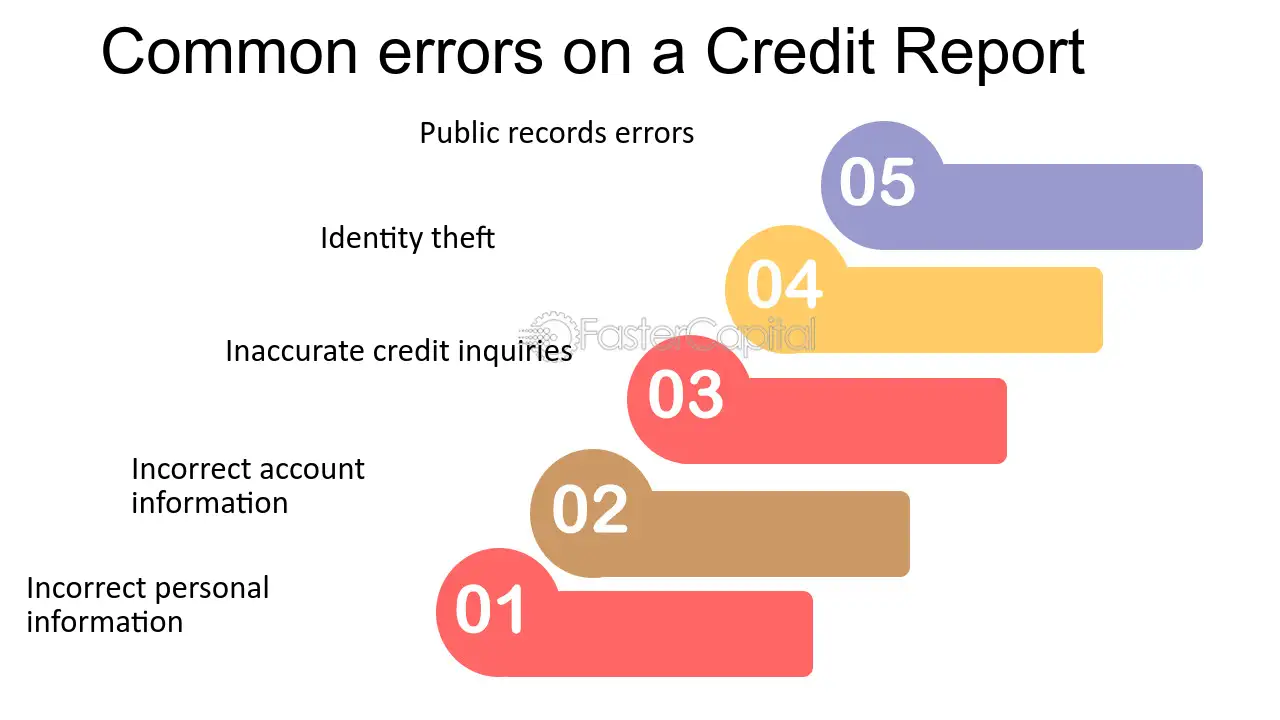
Credit report errors can take many forms, but there are a few that are particularly common. Knowing what to look for can help you identify and correct these errors more quickly.
Incorrect Account Status
One of the most frequent errors on credit reports is the incorrect status of an account. For example, an account that you closed years ago might still be listed as open. Conversely, an open account might be mistakenly reported as closed. Both situations can be problematic. An open account that’s marked as closed might not be contributing positively to your credit utilization ratio, while a closed account listed as open could leave you vulnerable to identity theft or unauthorized charges.
If you notice that the status of an account is incorrect, it’s important to contact the creditor directly and ask them to correct the information. Once they update their records, the correction should be reflected in your credit report.
Payment Reporting Errors
Another common issue is incorrect payment information. Your credit report might show that you missed a payment when, in fact, you paid on time. This type of error can have a significant impact on your credit score, as payment history is one of the most important factors in determining your score.
If you spot a payment reporting error, gather any documentation you have—like bank statements or payment confirmations—to support your claim. Then, contact the credit bureau and the creditor to dispute the error. The sooner you address the issue, the better, as it can take some time for the correction to be processed and reflected on your report.
Account Ownership Errors
Account ownership errors occur when accounts that don’t belong to you show up on your credit report. This might happen if your information gets mixed up with someone else’s, especially if you have a common name or share similar details with another individual. In more severe cases, it could be a sign of identity theft.
If you see an account on your report that you don’t recognize, don’t ignore it. Contact the creditor and the credit bureau to dispute the account. You might also want to take additional steps, such as placing a fraud alert on your credit report or even freezing your credit if you suspect identity theft.
The Impact of Credit Report Errors
Even small errors on your credit report can have significant consequences. A single incorrect late payment could drop your credit score by dozens of points, making it more expensive to borrow money or even resulting in loan rejections. Incorrect account statuses or ownership errors could lead to higher interest rates or less favorable terms when you do get approved.
For those who are already struggling with debt, credit report errors can make the situation even worse. This is where seeking Debt Consolidation Help can be beneficial. By consolidating your debts, you might be able to simplify your payments and lower your interest rates, which can help you focus on correcting any errors on your credit report without the added stress of multiple due dates and high-interest charges.
How to Dispute Credit Report Errors
If you find an error on your credit report, it’s important to take action right away. The process for disputing errors is relatively straightforward, but it does require some effort on your part.
Step 1: Gather Evidence
Before you file a dispute, make sure you have all the necessary documentation to support your claim. This could include bank statements, payment receipts, or any correspondence you’ve had with the creditor regarding the account in question.
Step 2: Contact the Credit Bureau
Once you have your evidence, contact the credit bureau that issued the report with the error. You can usually file a dispute online, by mail, or over the phone. Be clear and concise in your explanation of the error, and provide copies of any supporting documents.
Step 3: Follow Up with the Creditor
It’s also a good idea to contact the creditor directly to inform them of the error. They are required to investigate your claim and correct any inaccuracies if they find that an error was made.
Step 4: Monitor Your Credit Report
After filing your dispute, it’s important to keep an eye on your credit report to ensure that the error has been corrected. You’re entitled to a free credit report from each of the three major credit bureaus—Equifax, Experian, and TransUnion—once every 12 months, so take advantage of this to check your report regularly.
Prevention is Key
While it’s important to know how to correct errors on your credit report, it’s even better to prevent them from happening in the first place. Regularly monitoring your credit report is one of the best ways to catch errors early. You might also consider signing up for credit monitoring services that alert you to changes in your credit report, which can be particularly useful if you’re concerned about identity theft.
Another proactive step is to stay on top of your financial accounts. Keep track of your payments, close any accounts you’re no longer using, and ensure that your creditors have your correct contact information to avoid any potential mix-ups.
Final Thoughts
Credit report errors are more than just an inconvenience—they can have real financial consequences. By understanding the common types of errors and knowing how to address them, you can protect your credit score and ensure that your financial record accurately reflects your creditworthiness.
If you’re dealing with debt and worried about how errors on your credit report might be affecting you, don’t hesitate to seek out Debt Consolidation Help. Managing your debt effectively can make it easier to stay on top of your credit report and maintain a healthy financial profile. Remember, your credit report is a key part of your financial identity, so it’s worth the effort to keep it accurate and up to date.
