

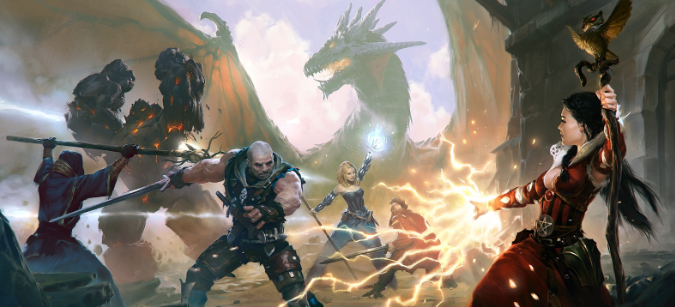
Magic The Gathering (MTG) has been a groundbreaking game since its release in 1993, captivating millions of players around the world. As the first trading card game, MTG introduced a new way to combine strategy, skill, and creativity. Over the decades, the game has undergone significant changes, particularly in how decks are built, the design of cards, and the formats in which the game is played. This article will take you on a journey through the evolution of MTG decks, exploring key shifts in deck-building strategies, card design, and the impact of different formats from the game’s inception to the present day.
The Early Days: Alpha and the Birth of Deck-Building
The Birth of Magic: Alpha and the First Decks
Magic: The Gathering was first introduced to the world in 1993 with the release of the Alpha set. This set contained 295 cards, including many that would go on to become iconic staples of the game, such as Black Lotus, Mox Pearl, and Ancestral Recall. The concept of deck-building was new, and players were just beginning to explore the possibilities of constructing decks with a 60-card minimum and a four-card limit per deck.
Key Strategies and Deck Types
In the early days of MTG, deck-building was relatively unstructured, with players often experimenting with different combinations of cards without a clear understanding of synergies or archetypes. However, a few distinct strategies began to emerge:
- Aggro Decks: These decks aimed to overwhelm opponents with fast, aggressive creatures. Early examples included decks featuring Serra Angel and Savannah Lions, which could quickly put pressure on opponents.
- Control Decks: Some players gravitated towards control strategies, using cards like Counterspell and Wrath of God to neutralize threats and maintain control of the game until they could deploy a powerful finisher.
- Combo Decks: Although less common in the early days, combo decks began to take shape as players discovered powerful card interactions. For example, Channel and Fireball became a notorious combination, allowing players to deal massive amounts of damage in a single turn.
Impact of Early Card Design
The design of early Magic cards was both innovative and somewhat chaotic. Richard Garfield, the creator of MTG, designed many of the original cards with the intent of creating a game that was unpredictable and full of surprises. However, this also led to the creation of cards that were incredibly powerful and, in some cases, unbalanced. Cards like Black Lotus and the Moxen provided immense advantages, leading to a meta where players who owned these cards had a significant edge.
The early card design also laid the foundation for the game’s core mechanics, such as the color wheel, which assigned different strengths and weaknesses to each color, and the concept of mana, which governed the casting of spells.
The Growth of Competitive Play: The Mid-1990s to Early 2000s
The Rise of Competitive Deck-Building
As Magic grew in popularity, the competitive scene began to take shape. The first official Magic: The Gathering World Championship was held in 1994, and this event marked the beginning of organized competitive play. With the rise of tournaments, deck-building strategies evolved rapidly as players sought to gain an edge over their opponents.
The Introduction of Archetypes
During this period, specific deck archetypes began to solidify, with players identifying the most effective strategies for winning games. Some of the most notable archetypes that emerged included:
- The Deck: A control deck that utilized The Abyss, Moat, and other control elements to lock down the opponent while slowly gaining card advantage and securing a win condition, often through Serra Angel or Mishra’s Factory.
- Sligh: Named after its creator, Paul Sligh, this deck was an early example of an aggressive red deck that focused on efficient, low-cost creatures and direct damage spells. The deck emphasized the importance of the mana curve, a concept that would become central to deck-building strategy.
- Necropotence Decks: The release of Necropotence in the Ice Age set revolutionized deck-building by introducing a powerful card draw engine that allowed players to exchange life points for cards. This strategy led to the rise of “Necro” decks, which dominated the meta by outdrawing opponents and overwhelming them with resources.
Key Card Design Innovations
The mid-1990s to early 2000s saw significant innovations in card design, as Wizards of the Coast began to refine the balance and mechanics of the game. Sets like Mirage and Tempest introduced new mechanics such as cycling and buyback, which added layers of complexity to deck-building.
Additionally, the creation of multi-color cards and “gold” cards in sets like Invasion and Ravnica: City of Guilds encouraged players to explore multi-color decks, leading to the development of more diverse strategies. The introduction of planeswalkers in the Lorwyn set in 2007 further expanded the strategic possibilities of the game, giving players powerful new tools to build around.
The Evolution of Formats: The Rise of Modern, Legacy, and Commander
The Establishment of Modern and Legacy
As Magic continued to grow, the need for different formats became apparent. In 2003, Wizards of the Coast officially introduced the Legacy format, which allowed the use of nearly all cards ever printed but placed restrictions on certain powerful cards through a banned list. This format gave rise to many powerful and iconic decks, such as Goblins and Storm, which relied on fast and explosive strategies.
In 2011, the Modern format was introduced, creating a non-rotating format that included all cards printed since the 8th Edition core set. Modern quickly became one of the most popular formats, with decks like Jund and Splinter Twin dominating the early metagame. Modern’s appeal lay in its balance between power and accessibility, offering a wide range of strategies without the extreme power levels of Legacy.
The Emergence of Commander (EDH)
Around the same time, a new format known as Commander (originally called Elder Dragon Highlander or EDH) began to gain popularity. This multiplayer format, which features a 100-card singleton deck and a legendary creature as the “commander,” introduced a new way to play Magic that focused on social interaction, creativity, and long-term strategy.
Commander decks often centered around powerful synergies and unique interactions, with players building around their chosen commander to create intricate game plans. The format’s casual nature and emphasis on fun over competitiveness attracted a broad audience, leading to Commander becoming one of the most popular formats in the game.
Impact on Deck-Building
The introduction of new formats had a profound impact on deck-building strategies. Players began to build decks with specific formats in mind, focusing on the particular rules, card pools, and metagames of each format. For example:
- Legacy Decks: Often featured fast combo strategies or highly efficient control decks that leveraged the vast card pool and powerful interactions available in the format.
- Modern Decks: Emphasized a balance between aggression and resilience, with decks like Affinity and Burn thriving due to their speed and consistency.
- Commander Decks: Encouraged players to explore synergies and themes, with deck-building often revolving around a single card or concept, such as tribal decks or combo-driven strategies.
The Modern Era: Refinement and Innovation
The Impact of Digital Play and MTG Arena
The launch of MTG Arena in 2018 marked a significant shift in how Magic was played and how decks were built. MTG Arena brought Magic into the digital age with a polished, accessible platform that made it easier for new players to learn the game and for seasoned players to test their strategies.
MTG Arena also introduced new ways to engage with the game, such as best-of-one matches and events with unique rules. The digital platform allowed for faster iterations and more frequent updates, leading to a dynamic meta that could shift rapidly in response to new releases and balance changes.
The Evolution of Card Design
Recent years have seen a continued evolution in card design, with Wizards of the Coast experimenting with new mechanics and card types. Sets like War of the Spark introduced planeswalkers with static abilities, while Ikoria: Lair of Behemoths introduced the mutate mechanic, allowing creatures to merge and create powerful combinations.
Additionally, the design philosophy around power levels has shifted, with Wizards focusing on creating cards that are exciting and impactful without being overpowered. This balance is critical in maintaining the health of various formats and ensuring that no single card or deck dominates the meta for too long.
Key Modern Deck Archetypes
In the modern era, several deck archetypes have come to define the competitive landscape across different formats:
- Aggro Decks: Fast, aggressive decks like Mono-Red Aggro and Burn continue to be popular due to their ability to end games quickly and capitalize on opponents’ slow starts.
- Control Decks: Decks like Azorius Control and Esper Control remain staples in many formats, using counterspells, removal, and card draw to outlast opponents and win through attrition.
- Midrange Decks: Strategies like Jund and Sultai Midrange focus on flexible, efficient cards that can adapt to different matchups, providing a balance between aggression and control.
- Combo Decks: Combo decks like Storm and Amulet Titan seek to assemble game-winning combinations of cards, often bypassing traditional combat-based strategies to achieve victory.
Conclusion: The Ever-Evolving World of MTG Decks
From the early days of Alpha to the modern era of MTG Arena, the evolution of Magic: The Gathering decks has been shaped by changes in card design, the introduction of new mechanics, and the development of various formats. As players continue to innovate and adapt, deck-building strategies will undoubtedly evolve further, pushing the boundaries of what is possible in this incredible game.
Magic The Gathering rich history of deck-building reflects the creativity and passion of its players, and as the game continues to grow, so too will the decks that define each era. Whether you’re a new player just starting to explore the possibilities or a seasoned veteran looking to refine your strategies, understanding the evolution of MTG decks can provide valuable insights into the ever-changing landscape of this beloved game.
