

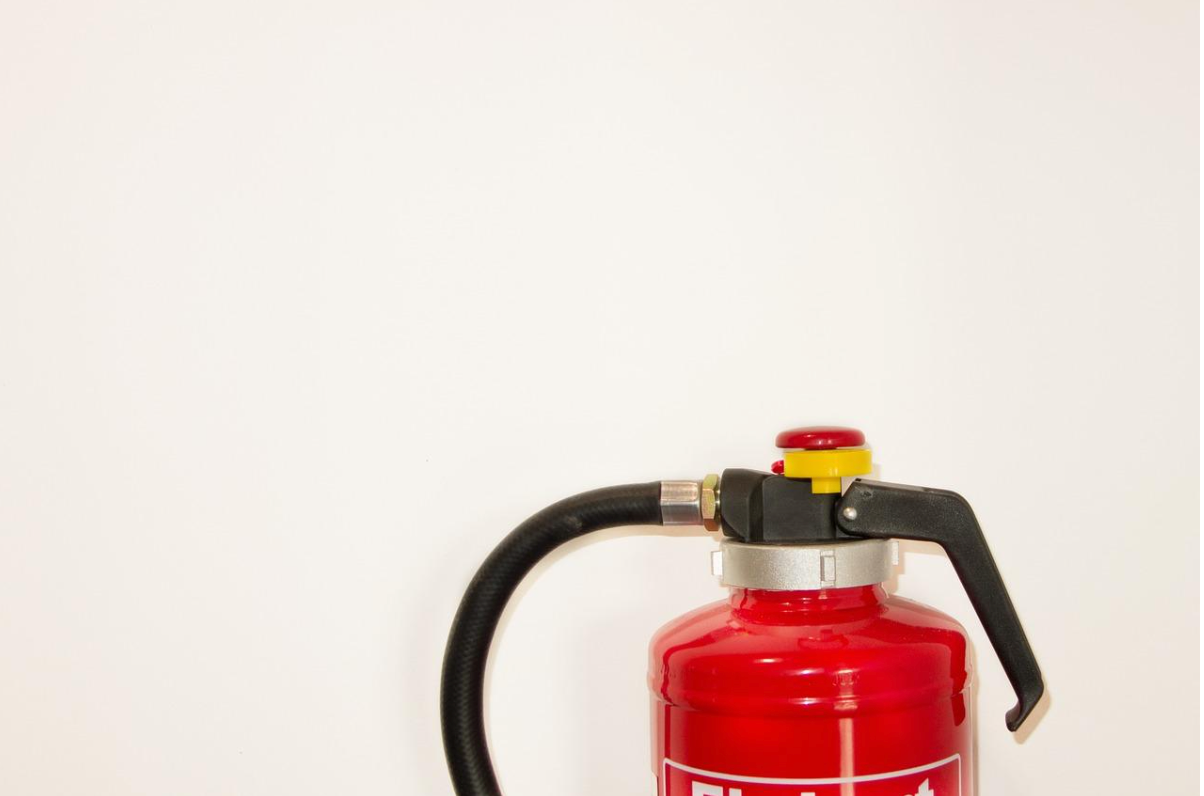
Having functional and readily available fire extinguishers is a legal requirement for most public buildings and workplaces in the UK. Proper maintenance is crucial to ensuring your fire extinguishers are in working order if ever needed. This guide will provide an overview of fire extinguisher maintenance and why it’s so important.
https://pixabay.com/photos/fire-extinguisher-fire-fire-fighting-502891/
Types of Fire Extinguishers
There are several different types of fire extinguishers designed to put out different classes of fires. The most common are:
- Water extinguishers – For putting out Class A fires involving combustibles like wood, paper, and textiles.
- Foam extinguishers – Also effective on Class A fires. The foam helps prevent re-ignition.
- CO2 extinguishers – Designed for Class B fires involving flammable liquids like petrol, oil, and paint. CO2 extinguishers displace oxygen to extinguish the fire.
- Dry powder extinguishers – Can be used on Class A and B fires. The powder coats the fuel and takes away oxygen.
- Wet chemical extinguishers – Specifically for Class F fires involving cooking oils and fats such as in commercial kitchens.
Knowing which types of extinguishers you have and checking they are suitable for the possible fire hazards in your location is the first step in maintenance. Work with a fire safety company that can supply you with all the fire extinguishers you need. Lucid’s fire extinguishers, for example, can tackle any type of fire.
Inspecting Your Extinguishers
Fire extinguishers should be visually inspected on a monthly basis. Check that:
- The extinguisher is in its designated location, unobstructed, and easy to access.
- The tamper seal is unbroken.
- There is no visible damage, corrosion, or leaks.
- The pressure gauge reads in the operable range.
- The instructions are facing outward and legible.
If any issues are found, the extinguisher may need maintenance or replacement.
Annual Maintenance
An annual maintenance check should be conducted by a competent professional. They will thoroughly examine the extinguisher for any issues. This includes:
- Inspecting seals and hoses for damage or leaks.
- Checking the weight to ensure the extinguisher is sufficiently full.
- Examining nozzles for blockages.
- Testing the pressure gauge.
- Checking that the expiration date has not passed.
- Testing that the discharge mechanism works properly.
Any defective parts will be replaced and extensions can be made to expiration dates. A service tag will be attached showing the date of the check.
Recharging and Replacing
After use, extinguishers must be recharged by a professional service company. The type of extinguisher will determine how often it needs recharging – usually every 5 years.
Extinguishers also have a lifespan of around 10 years. Once this time period is reached, or if an extinguisher fails annual maintenance, it needs to be replaced completely.
Having new, fully charged, and well-maintained fire extinguishers is essential. Should an emergency fire occur, you do not want to find your extinguishers ineffective. Proper maintenance gives you the best chance of putting out a fire in those critical first moments. The few minutes spent each month checking your extinguishers could one day save lives and property.
