

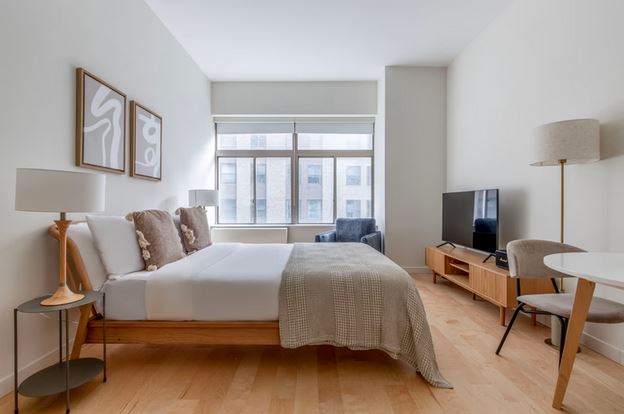
The lure of short-term rentals amid the dynamic metropolis of New York City (NYC) has become increasingly popular, changing the rental market’s dynamics and changing the housing environment. Because they provide flexibility and ease, short-term rentals—which can be found on both busy streets and quiet neighborhoods—have grown in popularity among both tourists and locals.
But beyond the surface is a complicated network of effects that go beyond practicality. This article explores the economic, interpersonal, and regulatory aspects of furnished short-term rental apartments in NYC, examining their diverse consequences.
Economic Consequences
A new age of economic opportunity has been brought about by short-term rental flats, which give businesses and property owners a second source of revenue. Many locals have profited from the profitable possibility of renting out their apartments for brief visits thanks to websites like Blueground, Airbnb, and VRBO that make listing and booking simple.
The surge in short-term rentals has boosted neighborhood economic growth across New York City, driving up consumer spending on neighborhood establishments and services.
The financial advantages do, however, not come without difficulties. The increase in short-term rentals has made rental affordability problems worse, especially for long-term tenants. The number of houses being turned into short-term rentals is increasing, which reduces the amount of housing available for long-term inhabitants.
This raises rental prices and drives lower-class people out of their communities. Furthermore, the surge of tourists and short-term visitors might cause congestion and put a strain on the community’s infrastructure, which would lower the standard of living for locals.
Social Relations
The social framework of NYC neighborhoods has changed as a result of the increase in short-term rentals, which has raised questions about safety and disturbance while also encouraging a feeling of belonging among hosts and visitors.
Having visitors in their homes may be a fulfilling experience for the hosts, providing chances for networking and cross-cultural interaction. Additionally, short-term rentals provide visitors with a unique perspective on the local way of life and culture, which enhances their exploration of the city.
However, problems within residential areas might arise due to the temporary nature of short-term rentals. Calls for tighter laws on short-term rentals have arisen out of worries about safety risks, noise disruptions, and the loss of community identity.
In addition, the rise in short-term rentals has made residential neighborhoods more commercial, with some landlords putting their interests ahead of those of long-term tenants. Maintaining the social coherence of NYC neighborhoods requires balancing the desires of hosts, visitors, and permanent inhabitants.
Regulatory Environment
The regulatory environment about short-term rentals in New York City is a complicated one, influenced by changing laws and court cases. Tenant presence is a requirement for the renting of full flats for periods shorter than thirty days, as per an amendment made to the New York State Multiple Dwelling Law in 2010.
The purpose of this legislation was to prevent the growth of unlicensed lodging establishments and safeguard the supply of reasonably priced accommodation for locals.
The application of rules about short-term rentals is nevertheless controversial notwithstanding these restrictions. Websites such as Airbnb have come under fire for permitting unauthorized rentals and eluding government control.
As a result, law enforcement in NYC has increased its efforts in issuing fines and punishments to those who violate the law. It is unclear, nevertheless, if these actions will be successful in halting the growth of short-term rentals.
The regulatory environment has changed much more in recent years as a result of legislators’ struggles with the problems caused by short-term rentals. The proposed laws, which place restrictions on the amount of time and frequency of short-term rentals, aim to find a compromise between fostering tourism and protecting residential areas.
Nonetheless, discussions over property rights, tourism spending, and the affordability of housing continue to influence the regulatory dialogue.
Case Study: Neighborhood Effects
To demonstrate the many effects of short-term rentals, let’s look at the example of Brooklyn’s thriving Williamsburg area. Somewhat due to the surge in short-term rentals, Williamsburg, which was formerly recognized for its vibrant local culture and creative community, has seen extensive changes in recent years.
Aspect |
Impact |
| Housing Affordability | It has become harder for long-term inhabitants to afford to live in Williamsburg due to the growth of short-term rentals, which has increased rent and housing expenses. |
| Economic Vibrancy | Williamsburg’s economy has been revitalized by short-term rentals, which draw tourists and encourage spending at neighborhood shops and restaurants. |
| Regulatory Challenges | To address the development of unlawful rentals and strike a balance between the interests of hosts, guests, and long-term residents, legislators must navigate a complex regulatory environment in Williamsburg. |
| Social Dynamics | Tensions have arisen in the area as a result of short-term rentals; some residents are worried about noise problems, safety risks, and the disappearance of the neighborhood’s unique identity. |
Conclusion
The problem of short-term rental apartments in New York City is complex and multidimensional, influencing the social, legal, and economic environments of many districts within the city. Short-term rentals provide problems with housing affordability, community cohesiveness, and regulatory compliance in addition to potential for economic growth and cross-cultural exchange.
A comprehensive strategy that protects the vibrancy and variety of NYC’s neighborhoods while striking a balance between the needs of hosts, visitors, and long-term residents is needed to navigate these challenges. Resolving the effects of short-term rentals will be crucial to guaranteeing a sustainable and fair future for all citizens as the city develops.
