

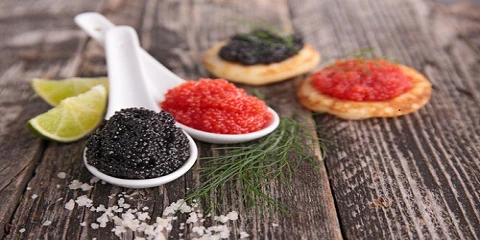
Pregnancy comes with an overwhelming barrage of rules dictating what you can and cannot eat for those 40 vital weeks. This leaves many expectant mothers confused if indulging in questionable cravings could harm their growing baby.
One such hotly debated delicacy is caviar—the salty, luxurious fish eggs harvested from the coveted beluga and other sturgeon species. Given its hefty price tag and association with lavish parties, is caviar an advisable snack during pregnancy? Or is this briny luxury better left to enjoy when you aren’t expecting?
What Exactly Is Caviar?
Caviar refers to the salt-cured roe or eggs from fish in the Acipenseridae family of sturgeons. Female sturgeons can live 100 years and don’t reach maturity to produce the coveted eggs until at least 15 years old.
True caviar varieties like ossetra, beluga and sevruga come from sturgeon species native to the Caspian and Black Seas, where overfishing has now put them at risk of extinction. Other more sustainable roe comes from steelhead, whitefish, lumpfish, salmon and flying fish—but only the eggs from sturgeon can officially be called caviar.
Types of caviar range dramatically in size, color and taste. They pop with a concentrated yet delicate briny flavor that has secured their status as one of the most prized—and expensive—delicacies in the world, with some high-end beluga caviar costing over $10k for just one kilogram!
Is Eating Caviar Safe When You’re Pregnant?
Given that the CDC estimates 1 in 6 Americans get sick with food poisoning every year, it’s understandable for moms-to-be to feel apprehensive about eating any uncooked food like raw fish, meat or eggs. This includes indulging in decadent caviar.
Here are the main safety risks associated with eating caviar when you’re pregnant:
Bacterial Contamination
Raw seafood products including caviar and roe may harbor unseen bacterial pathogens like Listeria, Salmonella, Staphylococcus aureus, Clostridium botulinum, and Vibrio species. (*) If contaminated, these bacteria can contribute to nasty cases of food poisoning or infection.
Pregnant women are at higher risk of developing listeriosis, the illness caused by Listeria bacteria. (*) Expecting mothers have suppressed immune function and any illness can pass through the amniotic sac to harm the unborn baby leading to tragic pregnancy complications.
To eliminate risks, only purchase caviar from trusted retailers that has undergone pasteurization—a heating process that destroys any harmful pathogens present.
Environmental Toxins & Heavy Metals
Larger, longer-living fish higher up the aquatic food chain may accumulate higher doses of heavy metals like mercury as well as pesticides and industrial pollutants over their lifespan.
Beluga sturgeon producing luxury black caviar can live over 50 years and weigh one ton, so bioaccumulation is a valid concern. However, salmon and other alternative roe options have much shorter lifespans resulting in lower contaminant accumulation.
Overall toxin levels in both caviar and roe remain relatively low, but as an expectant mother it is still smart to enjoy all fish and seafood—especially fancy caviar—in careful moderation.
Excess Sodium
By definition, all caviar varietals undergo a salting process to cure and preserve the delicate eggs. This process infuses the end product with sky-high sodium levels.
Consuming excess sodium poses health risks like high blood pressure, fluid retention and swelling—all common concerns during pregnancy. Pay attention to total sodium consumption from all dietary sources if also enjoying caviar while pregnant or breastfeeding.
Allergies
Finally, those with known allergies to fish, shellfish or other seafood run the risk of having an unexpected allergic reaction from eating caviar or roe.
Symptoms like hives, diarrhea, vomiting and breathing issues are uncommon but remain possible. Heed caution when trying for the first time or sticking to miniscule portions to assess tolerance.
Overall when basic food safety precautions are followed and portions are moderate, the potential benefits seem to outweigh any nominal risks so that both mother and baby can enjoy.
Notable Benefits of Eating Caviar During Pregnancy
Beyond satisfying intense pregnancy cravings, incorporating moderate amounts of caviar and fish roe into a balanced prenatal diet may impart meaningful nutritional perks for nourishing your growing baby, including:
Omega-3 Fatty Acids
All fish eggs including caviar, salmon roe, tobiko and masago remain rich sources of anti-inflammatory omega-3 fatty acids EPA and DHA. These nurture optimal fetal brain, nerve and vision development.
Higher intake from seafood like caviar also appears to lower a new mother’s risk of battling postpartum depression in those first fragile months (*).
Essential Choline
Caviar contains impressive amounts of the nutrient choline, with just one serving providing over 20% of recommended daily intake for expecting mothers.
Choline proves critical for healthy cell growth and development in baby’s brain and spinal cord. It also assists with mom’s tissue expansion, fat metabolism and maintaining fluids.
Iron & Folate
Pregnancy rapidly depletes nutrient stores of iron and folate. Enjoying prenatal caviar provides substantial amounts of both vitamins to prevent fatigue and anemia while protecting your unborn baby.
Protein Powerhouse
Caviar delivers an easy dose of satiating protein—the perfect building block for nurturing fast-growing new cells and tissues during pregnancy for both mother and child.
Antioxidant Protection
Finally, caviar supplies various anti-inflammatory antioxidants like vitamins A, C and E plus selenium. These all help combat heightened free radical damage from rapid tissue growth during pregnancy.
Tips for Safely Enjoying Caviar During Pregnancy
After weighing the notable benefits against the potential safety considerations, enjoying moderate intake of quality caviar seems an advisable indulgence that pregnant women can feel at ease with.
Here are top tips for relishing caviar safely during your nine month journey:
- Stick to 1-2 servings monthly of pasteurized caviar only to eliminate infection risks
- Balance any sodium and swallow concerns by pairing with toast, blini or crackers
- Alternate types: salmon roe and whitefish caviar have less mercury concerns
- Check labels and avoid imported brands without recognizable information
- Enjoy minimally: focus on celebrating flavors in small doses
- Always run by your doctor with any pregnancy diet questions
Putting It All Together
Caviar remains a controversial food with mixed perceptions around safety and risks during pregnancy. FDA explicitly recommends pregnant women and young children only consume thoroughly cooked seafood to eliminate risks from pathogens in raw products like caviar. But closely evaluating legitimate evidence reveals that following basic food safety precautions and avoiding overindulgence, both mother and baby stand to benefit from this salty, nutrient-dense delicacy in measured doses.
Of course, discussing any major changes to your prenatal diet with your overseeing doctor remains the wisest plan to receive personalized guidance. But armed with the facts, expectant mothers can feel empowered to make informed choices around special treats like caviar during pregnancy.
