

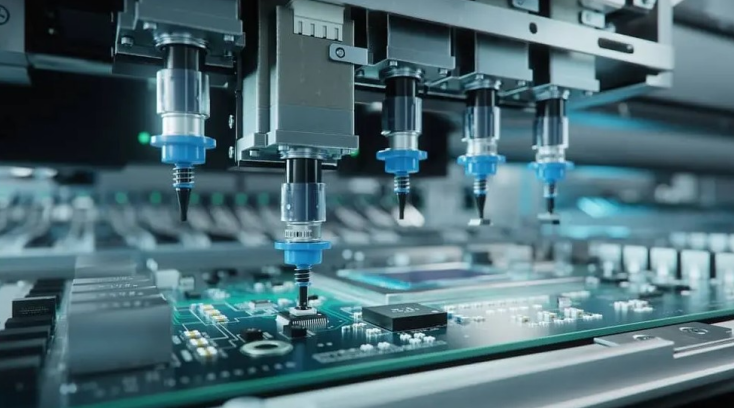
In the world of electronics manufacturing, the cost of Printed Circuit Board Assembly (PCBA) is a critical consideration that influences the overall expenses of bringing a product to market. PCBA is a complex process that involves the assembly of electronic components onto a printed circuit board (PCB). The cost of PCBA can vary significantly based on a range of factors. In this comprehensive guide, we’ll explore these factors to help you gain a better understanding of how much PCBA typically costs.
- Complexity of the PCB Design:
The complexity of the PCB design is a major determinant of PCBA cost. More intricate designs with densely packed components, multiple layers, and complex routing require advanced manufacturing techniques and specialized equipment. As a result, the cost of manufacturing and assembling such PCBs tends to be higher.
- Component Costs:
The type and quality of components used in the PCBA process contribute significantly to the overall cost. High-quality, branded components generally come at a premium, impacting the total cost of the assembly. Additionally, the availability and rarity of certain components can influence their market prices.
- Volume of Production:
Economies of scale play a crucial role in PCBA costs. Larger production volumes often lead to lower per-unit costs. This is because fixed costs associated with setup, programming, and testing are spread across a greater number of units, reducing the cost per individual PCB assembly.
- Assembly Technology:
The assembly technology employed in the manufacturing process affects costs. Surface Mount Technology (SMT) and Through-Hole Technology (THT) are two common assembly methods, each with its own cost considerations. SMT, which involves placing components directly onto the surface of the PCB, is generally more cost-effective for high-volume production.
- Testing and Quality Control:
Rigorous testing and quality control processes are crucial to ensuring the reliability and functionality of the PCBAs. The more comprehensive the testing procedures, the higher the associated costs. Investing in thorough testing is essential for preventing defects and ensuring a high-quality end product.
- Materials Used:
The choice of materials, including the type of substrate and solder mask, can impact PCBA costs. High-performance materials designed to withstand specific environmental conditions or meet industry standards may be more expensive than standard materials.
- Lead Time:
Urgency often comes with a price tag. A shorter lead time for PCBA manufacturing may require expedited processes, leading to increased costs. Planning ahead and allowing for longer lead times can help mitigate some of these additional expenses.
- Location of Manufacturing:
The geographical location of the manufacturing facility can influence costs due to variations in labor rates, regulatory requirements, and shipping expenses. Offshore manufacturing may offer cost savings, but logistical considerations and potential communication challenges should be taken into account.
- Additional Services:
Additional services such as conformal coating, selective soldering, or custom packaging can add to the overall PCBA cost. These services, while enhancing the performance and durability of the final product, should be considered in the budgeting process.
Conclusion:
Understanding the factors that contribute to the cost of PCBA is essential for effective budgeting in electronics manufacturing. The intricate interplay of design complexity, component choices, production volume, and various other considerations can significantly impact the overall expenses. By carefully evaluating these factors and making informed decisions, businesses can strike a balance between cost-effectiveness and the production of high-quality electronic products.
In conclusion, the cost of PCBA is a multifaceted aspect that requires a comprehensive approach to budgeting and decision-making. Whether you’re a seasoned electronics manufacturer or a newcomer to the field, being aware of these influencing factors will empower you to navigate the complexities of PCBA cost estimation with confidence.
