


Understanding the Wolf Spider in Florida
Wolf spiders belong to the Lycosidae family, a name derived from the Greek word for “wolf,” reflecting their predatory hunting style. Unlike web-spinning spiders, wolf spiders in Florida are active hunters that chase down prey, much like wolves. Florida’s warm, humid climate provides an ideal environment for these arachnids, with over 30 species thriving in the state. They vary in size, behavior, and habitat, but all share common traits that make them recognizable and ecologically important.
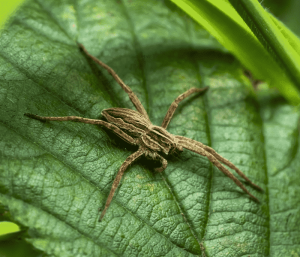
Wolf spiders play a vital role in controlling pest populations, feeding on insects like ants, flies, and crickets. While their large size and swift movements can be alarming, they’re generally harmless to humans. Understanding their characteristics, habitats, and behaviors is key to appreciating their role and managing their presence, especially when they venture into homes.
Wolf Spider Florida Identification
Accurate wolf spider Florida identification is essential to distinguish them from other spiders, particularly the more dangerous brown recluse. Here are the key features to look for:
- Eye Arrangement: Wolf spiders have eight eyes arranged in three rows: four small eyes in the bottom row, two large eyes in the middle, and two medium-sized eyes on top. The large middle eyes are particularly noticeable, reflecting light at night, creating a glowing effect when illuminated by a flashlight.
- Color and Markings: They are typically brown, gray, or black with darker stripes or splotches on their backs, aiding in camouflage. Some species, like the Rabid Wolf Spider, have mottled patterns, while others, like the Carolina Wolf Spider, are grayish-brown.
- Hairy Body: Their robust, hairy bodies set them apart from smoother spiders like the brown recluse. The hair enhances their sensory perception and adds to their imposing appearance.
- Size: Florida wolf spider size ranges from 0.25 to 1.5 inches in body length, with leg spans up to 3 inches. Females are generally larger than males, with the Carolina Wolf Spider being the largest, reaching nearly 1.4 inches in body length.
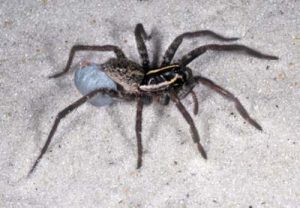
- Behavior: Unlike web-builders, wolf spiders are ground-dwellers that pounce on prey. Females are often seen carrying egg sacs on their abdomens or spiderlings on their backs, a unique trait among spiders.
Pictures of wolf spiders in Florida often highlight their hairy legs, large eyes, and distinctive markings, making them easier to identify. Comparing these images to spiders you encounter can confirm whether you’re dealing with a wolf spider.
Florida Wolf Spider vs Brown Recluse
A common concern is distinguishing Florida wolf spider vs brown recluse, as the brown recluse is venomous and potentially harmful. Here’s how they differ:
- Size: Wolf spiders are larger, with body lengths up to 1.5 inches, while brown recluses are smaller, typically 0.25 to 0.5 inches.
- Eyes: Wolf spiders have eight eyes in three rows, while brown recluses have six eyes arranged in three pairs.
- Markings: Brown recluses have a distinctive violin-shaped mark on their cephalothorax, pointing toward the abdomen. Wolf spiders lack this mark, instead featuring stripes or splotches.
- Behavior: Wolf spiders are active hunters, often seen moving quickly, while brown recluses are reclusive, preferring hidden spots and rarely venturing into open areas.
- Habitat: Wolf spiders are found in open, ground-level areas like leaf litter or grasses, while brown recluses hide in dark, undisturbed indoor spaces like attics or closets.
Misidentifying a wolf spider as a brown recluse can lead to unnecessary panic. If you’re unsure, consult a pest control professional for accurate identification.
Florida Wolf Spider Size and Appearance
Florida wolf spider size varies by species, but most fall between 0.25 and 1.5 inches in body length, with leg spans reaching up to 3 inches. The Carolina Wolf Spider, the largest species in North America, can have a body length of nearly 1.4 inches, while smaller species like the Tigrosa annexa are closer to 0.4 inches. Females are typically larger than males, especially when carrying egg sacs.
Their appearance is characterized by a robust, hairy body and legs, often brown, gray, or black with darker markings. These colors and patterns help them blend into their surroundings, such as leaf litter or sandy beaches. The hair on their bodies aids in detecting vibrations and chemical cues from prey, enhancing their hunting efficiency.
Wolf Spider Florida Habitat

Wolf spider Florida habitat is diverse, reflecting their adaptability to Florida’s varied landscapes. They thrive in:
- Natural Areas: Grassy fields, woodlands, marshes, and beaches are common habitats. Species like the Beach Wolf Spider prefer sandy coastal areas, while the Wetland Giant Wolf Spider favors marshes and riparian zones.
- Ground-Level Shelters: Wolf spiders hide under rocks, logs, leaf litter, or debris, often digging burrows 1-2 feet deep to lay eggs or seek shelter.
- Urban Environments: They can be found in gardens, lawns, and suburban yards, hiding under patio furniture, bricks, or woodpiles.
- Indoors: While less common, wolf spider in Florida home sightings occur in basements, garages, closets, or near doors and windows, especially during cooler months when they seek warmth.
Their preference for ground-level habitats makes them more likely to encounter humans in outdoor or semi-outdoor spaces. They don’t build webs, instead relying on their speed and vision to hunt, which influences their choice of open, prey-rich environments.
Where Do Wolf Spiders Live in Florida?
Where do wolf spiders live in Florida? They’re widespread across the state, from the Panhandle to the Keys, thriving in both rural and urban settings. Specific locations include:
- Coastal Regions: Beach Wolf Spiders inhabit sandy dunes and driftwood along Florida’s beaches.
- Forests and Woodlands: Species like the Rabid Wolf Spider live in wooded areas, hiding in debris or burrows.
- Wetlands: Wetland Giant Wolf Spiders are common in marshes and floodplains, constructing burrows under rocks.
- Suburban Areas: Gardens, lawns, and parks in cities like Miami, Orlando, and Tampa host wolf spiders, often near ground cover or mulch.
- Rural Areas: Fields and farmlands provide ample prey and hiding spots, making them ideal for species like the Field Wolf Spider.
Their adaptability allows them to survive in diverse conditions, from dry, sandy soils to humid, forested areas, making encounters likely wherever you are in Florida.
Are Wolf Spiders Dangerous in Florida?
Are wolf spiders dangerous in Florida? Generally, no. Wolf spiders are not aggressive toward humans and prefer to flee when approached. They’re venomous, as are most spiders, but their venom is designed to paralyze small prey, not harm humans. Bites are rare and typically occur only when the spider feels threatened or mishandled.
The Florida wolf spider bite may cause mild symptoms, including:
- Redness and swelling at the bite site
- Mild to moderate pain, similar to a bee sting
- Itching or irritation
In rare cases, sensitive individuals, such as children, the elderly, or those with compromised immune systems, may experience stronger reactions, like localized swelling or an allergic response. The Hogna species, including the Carolina Wolf Spider, may deliver a slightly more painful bite, but it’s still not medically significant for most people.
If bitten, wash the area with soap and water, apply ice to reduce swelling, and monitor for signs of infection or allergic reaction. Seek medical attention if symptoms persist or worsen, though this is uncommon. Overall, wolf spiders pose minimal risk and are more beneficial than harmful due to their pest-control role.
Florida Wolf Spider Bite: Prevention and Treatment
Preventing a Florida wolf spider bite involves minimizing contact:
- Avoid Handling: Don’t pick up or corner wolf spiders, as this may provoke a defensive bite.
- Wear Gloves: When gardening or moving outdoor items like logs or rocks, wear gloves to avoid accidental contact.
- Check Indoor Areas: Shake out shoes, towels, or stored items in basements or garages, where wolf spiders may hide.
If bitten, follow these steps:
- Clean the Bite: Wash the area with mild soap and lukewarm water to prevent infection.
- Reduce Swelling: Apply a cold compress or ice pack for 10-15 minutes to minimize swelling and pain.
- Monitor Symptoms: Watch for signs of an allergic reaction, such as difficulty breathing or severe swelling, and seek medical help if these occur.
- Use Over-the-Counter Remedies: Antihistamines or hydrocortisone cream can relieve itching or inflammation if needed.
Most bites resolve within a few days without complications, reinforcing that are wolf spiders dangerous in Florida is a low concern for healthy individuals.
Wolf Spider in Florida Home: Why They Enter and How to Manage
Finding a wolf spider in Florida home can be startling, but it’s not uncommon, especially in fall when they seek warmth or prey. Reasons they enter include:
- Food Sources: Wolf spiders follow insects like ants or flies, which may be abundant indoors.
- Shelter: Cracks, open doors, or loose screens provide entry points, especially in humid or cluttered areas.
- Accidental Entry: They may be brought in on firewood, outdoor furniture, or plants.
To manage their presence, focus on prevention and humane removal rather than panic. Wolf spiders don’t infest homes in large numbers, as they’re solitary and don’t breed indoors. A single sighting doesn’t indicate an infestation but suggests nearby prey or entry points.
How to Get Rid of Wolf Spiders in Florida
How to get rid of wolf spiders in Florida involves a combination of prevention, natural remedies, and, if necessary, professional intervention. Here are practical strategies:
- Seal Entry Points: Close cracks around windows, doors, and foundations. Install door sweeps and repair torn screens to block access.
- Reduce Clutter: Clear leaf piles, woodpiles, or debris from your yard, and organize indoor spaces like basements or garages to eliminate hiding spots.
- Control Prey: Address other pest issues, such as ants or flies, to reduce the food sources attracting wolf spiders.
- Maintain Your Yard: Keep grass trimmed and remove dense ground cover like ivy, which provides shelter.
- Use Sticky Traps: Place sticky traps near doorways, windows, or corners to capture wandering spiders. Check and replace regularly.
- Natural Repellents: Essential oils like peppermint, tea tree, or eucalyptus may deter spiders when diluted with water and sprayed in problem areas. Results vary, so use as a supplement to other methods.
- Diatomaceous Earth: Sprinkle food-grade diatomaceous earth in areas where spiders are active. It dehydrates insects and spiders but requires reapplication.
- Humane Removal: If you spot a wolf spider, gently capture it using a glass and cardboard, then release it outdoors, ideally far from your home.
- Professional Help: For persistent issues, contact a pest control service. Professionals can inspect for entry points, apply targeted treatments, and monitor for recurrence.
Killing wolf spiders is often unnecessary, as they’re beneficial and unlikely to cause harm. Focus on making your home less inviting to them and their prey.
Ecological Role of Wolf Spiders in Florida

Wolf spiders are vital to Florida’s ecosystems, acting as natural pest controllers. They feed on insects like crickets, grasshoppers, and flies, reducing populations that could damage crops or spread disease. Some larger species, like the Carolina Wolf Spider, even prey on small vertebrates, such as house geckos, showcasing their predatory prowess.
Their solitary, non-web-building nature means they don’t create messy webs or form colonies, making them low-maintenance contributors to ecological balance. By tolerating their presence in outdoor spaces, you can benefit from their insect-control services without resorting to chemical pesticides.
Common Wolf Spider Species in Florida
Florida hosts a diverse array of wolf spider species, each with unique traits:
- Carolina Wolf Spider (Hogna carolinensis): The largest, with a body length up to 1.4 inches, grayish-brown, and found statewide.
- Rabid Wolf Spider (Rabidosa rabida): Mottled brown, prefers wooded areas, and grows to about 1 inch.
- Beach Wolf Spider (Arctosa littoralis): Sandy-colored, blends into coastal dunes, and measures 0.4 to 0.6 inches.
- Wetland Giant Wolf Spider (Tigrosa hellulo): Thrives in marshes, constructs burrows, and reaches 0.9 inches.
- Field Wolf Spider (Hogna lenta): Lives in vegetated fields, uses silk tripwires, and is about 0.7 inches.
- Santa Rosa Wolf Spider (Arctosa sanctaerosae): A rare coastal species of conservation concern, found in limited areas.
- Tigrosa annexa: Pale yellow with a dark V-shape, prefers sandy soils, and is smaller at 0.4 inches.
- Tigrosa georgicola: A daytime hunter, found in southeastern forests, with a body length of 0.4 to 0.9 inches.
These species highlight the diversity of wolf spider Florida populations, each adapted to specific habitats and hunting strategies.
Cultural Perceptions and Misconceptions
Wolf spiders often evoke fear due to their size and speed, but many misconceptions fuel this anxiety. Common myths include:
- Myth: Wolf Spiders Are Aggressive: They’re not aggressive toward humans and prefer to flee. Bites are defensive, not predatory.
- Myth: Their Bites Are Deadly: Florida wolf spider bite symptoms are mild, and their venom is not harmful to humans.
- Myth: They Infest Homes: Wolf spiders are solitary and don’t breed indoors, so multiple sightings likely indicate separate individuals or prey abundance.
In some cultures, spiders, including wolf spiders, are seen as symbols of patience or creativity due to their hunting skills. In Florida, their presence in gardens is often welcomed by those who recognize their pest-control benefits.
FAQs About Wolf Spiders in Florida
- How can I identify a wolf spider in Florida?
Wolf spider Florida identification relies on their eight eyes in three rows (four small, two large, two medium), hairy brown or gray body, and stripes or splotches. They’re larger than many spiders, up to 1.5 inches, and don’t build webs.
- What is the typical Florida wolf museo spider size?
Florida wolf spider size ranges from 0.25 to 1.5 inches in body length, with leg spans up to 3 inches. The Carolina Wolf Spider is the largest, nearing 1.4 inches.
- Are wolf spiders dangerous in Florida?
Are wolf spiders dangerous in Florida? No, they’re generally harmless, biting only when provoked. Their venom causes mild symptoms like redness or swelling, similar to a bee sting, and is not medically significant for most people.
- What should I do if I get a Florida wolf spider bite?
For a Florida wolf spider bite, wash the area with soap and water, apply ice to reduce swelling, and monitor for allergic reactions. Seek medical help if symptoms worsen, though this is rare.
- Where do wolf spiders live in Florida?
Where do wolf spiders live in Florida? They inhabit grassy fields, woodlands, marshes, beaches, and suburban yards, hiding under rocks, logs, or debris. Indoors, they may appear in basements or garages.
- How do I get rid of wolf spiders in Florida?
How to get rid of wolf spiders in Florida involves sealing entry points, reducing clutter, controlling prey insects, using sticky traps, and applying natural repellents like peppermint oil. Professional pest control can help with persistent issues.
- How can I tell a Florida wolf spider vs brown recluse?
Florida wolf spider vs brown recluse: Wolf spiders are larger (up to 1.5 inches), have eight eyes in three rows, and lack the violin-shaped mark of the brown recluse, which is smaller (0.5 inches) with six eyes.
Practical Tips for Coexisting with Wolf Spiders
To live harmoniously with wolf spiders in Florida, consider these tips:
- Tolerate Outdoors: Allow wolf spiders in gardens or yards, as they control pests naturally.
- Inspect Regularly: Check dark, damp areas like garages or sheds for spiders or prey insects.
- Use Lighting Strategically: Reduce outdoor lights that attract insects, which in turn draw wolf spiders.
- Educate Family: Teach children to avoid handling spiders to prevent bites and reduce fear.
- Maintain Hygiene: Vacuum corners and under furniture to remove stray spiders or egg sacs without harming them.
Conclusion on Wolf Spiders in Florida
The wolf spider Florida is a fascinating and beneficial part of the state’s ecosystem, known for its hunting skills and distinctive appearance. With Florida wolf spider size ranging up to 1.5 inches, wolf spider Florida identification relying on their unique eye pattern and hairy bodies, and wolf spider Florida habitat spanning beaches to woodlands, these arachnids are versatile and widespread. While are wolf spiders dangerous in Florida is a common concern, their bites are rare and mild, posing minimal risk.
By understanding Florida wolf spider vs brown recluse, managing wolf spider in Florida home sightings, and applying how to get rid of wolf spiders in Florida strategies, you can coexist with these spiders or keep them at bay. Pictures of wolf spiders in Florida and knowledge of where do wolf spiders live in Florida empower you to appreciate their role while addressing any concerns. Embrace their pest-control benefits, take simple precautions, and let these remarkable creatures thrive in their natural spaces.
