

Why is my smoke detector beeping? This is a common concern for many homeowners, as a constantly beeping alarm can be both frustrating and alarming. Smoke detectors are essential safety devices designed to alert you to potential fire hazards, but sometimes, they beep for reasons unrelated to smoke.
A beeping smoke detector can indicate low battery power, sensor malfunctions, environmental factors, or end-of-life warnings. Understanding the cause of the beeping pattern is crucial for ensuring your home remains safe and secure.
Types of Beeping Patterns and Their Meanings
-
One Chirp Every Few Minutes – Often a sign of a low battery.
-
Constant Beeping – Could indicate smoke detection or a sensor issue.
-
Three Beeps in a Row – This might mean the alarm has detected smoke or fire.
-
Five Beeps in a Row – Usually signals that the detector needs replacement.
In this guide, we’ll explore the common causes of smoke detector beeping and provide troubleshooting tips to fix the issue efficiently.
Common Reasons for Smoke Detector Beeping
A beeping smoke detector is not always a sign of a fire emergency. Several technical and environmental factors can trigger the alarm.
Main Causes of Beeping
-
Low Battery Power – One of the most frequent reasons for smoke detector beeping is a weak or dying battery.
-
Dust or Debris Accumulation – A dirty smoke detector can mistakenly trigger the alarm.
-
Humidity and Steam – High moisture levels can interfere with the sensor’s functionality.
-
Interference from Other Devices – Wireless signals or nearby electronics may disrupt the detector’s circuit.
-
End-of-Life Warning – Most smoke detectors have a lifespan of 8-10 years and will beep when they need replacement.
If your smoke detector won’t stop beeping, identifying the root cause is the first step toward resolving the issue effectively.
Low Battery Warning: The Most Frequent Cause
One of the most common reasons for a smoke detector beeping is a low battery. This is the alarm’s way of alerting you that it needs a fresh power source.
Signs of a Low Battery
-
Short, intermittent chirps every 30 to 60 seconds.
-
Beeping at night when battery voltage drops due to temperature changes.
-
Inconsistent alarm sounds that stop and start randomly.
How to Fix a Low Battery Issue
-
Replace the Battery – Use a high-quality alkaline battery and ensure it’s inserted correctly.
-
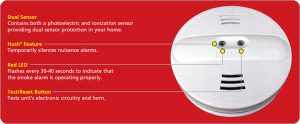
Reset the Alarm – After changing the battery, press and hold the test/reset button for a few seconds.
-
Clean the Battery Contacts – Dust and corrosion can interfere with battery connections.
By regularly replacing your smoke detector batteries, you can prevent unnecessary beeping and keep your home protected.
Smoke Detector Beeping Due to Sensor Malfunction
If your smoke detector is beeping even with a fresh battery, the issue could be a sensor malfunction.
Causes of Sensor Malfunctions
-
Aging Detector – Smoke detectors have a lifespan of 8-10 years.
-
Frequent False Alarms – Exposure to dust, bugs, or smoke residue can damage the sensor.
-
Electrical Interference – If your detector is hardwired, voltage fluctuations may cause random beeping.
How to Fix Sensor Malfunctions
-
Clean the Detector – Use a soft brush or a vacuum to remove dust buildup.
-
Perform a Reset – Remove the battery, hold the reset button for 15 seconds, then reinstall the battery.
-
Check the Manufacturing Date – If your smoke detector is over 10 years old, replace it immediately.
Regular maintenance and inspections will help ensure your smoke detector functions properly without unnecessary beeping.
Environmental Factors That Can Trigger Beeping
Not all smoke detector beeping is caused by technical issues. Sometimes, environmental factors can interfere with the alarm’s sensors.
Common Environmental Triggers
-
High Humidity and Steam – Bathrooms and kitchens can cause false alarms due to moisture buildup.
-
Temperature Fluctuations – Smoke detectors near heaters, fireplaces, or air vents may beep due to sudden changes in temperature.
-
Strong Odors or Fumes – Cooking smoke, aerosol sprays, and chemicals can trigger the alarm.
How to Prevent Environmental False Alarms
-
Move the Detector Away from Humid Areas – Install it at least 10 feet away from bathrooms and kitchens.
-
Improve Ventilation – Use fans or open windows to reduce excess moisture and smoke.
-
Keep the Detector Clean – Regularly dust the detector to prevent sensor obstructions.
Addressing these environmental factors will help reduce unnecessary beeping while ensuring your smoke alarm remains functional.
Smoke Detector Beeping Without Smoke: What It Means
If your smoke detector is beeping but there’s no smoke, it may be signaling a technical issue or environmental interference.
Potential Causes
-
Loose Battery Connection – Check if the battery is properly installed.
-
Power Surges – Hardwired alarms may beep after electrical fluctuations.
-
Dust, Bugs, or Debris – Small particles can interfere with the sensor’s ability to function correctly.
How to Fix It
-
Reset the Smoke Detector – Remove the battery, press the reset button, then reinstall the battery.
-
Clean the Alarm – Use compressed air or a vacuum to remove dirt and debris.
-
Replace the Detector – If the issue persists, it may be time for a new smoke alarm.
By diagnosing the issue quickly, you can stop the beeping and ensure your smoke detector remains fully operational.
How to Troubleshoot a Beeping Smoke Detector
When your smoke detector won’t stop beeping, follow these troubleshooting steps to identify and fix the issue.
Step-by-Step Troubleshooting
-
Check for Smoke or Fire – Ensure there’s no actual emergency.
-
Replace the Battery – If the alarm chirps intermittently, change the battery.
-
Reset the Detector – Press the reset button for 15 seconds.
-
Clean the Detector – Remove dust and debris using a vacuum or compressed air.
-
Check Placement – Ensure the detector isn’t near humid or high-heat areas.
-
Inspect the Expiration Date – If the unit is 10+ years old, replace it.
Proper maintenance and timely repairs can keep your smoke detector functioning effectively and prevent annoying beeping sounds.
When to Replace Your Smoke Detector
Smoke detectors don’t last forever. Knowing when to replace your detector is crucial for ensuring home safety.
Signs It’s Time for a Replacement
-
Constant False Alarms – Even after troubleshooting, the detector keeps beeping unnecessarily.
-
Old Age – Most detectors have a lifespan of 8-10 years.
-
Discolored or Damaged Unit – If the device looks worn out or cracked, replace it.
Choosing a New Smoke Detector
-
Opt for Dual-Sensor Detectors – These detect both flaming and smoldering fires.
-
Consider Smart Detectors – Smart smoke alarms provide mobile alerts and voice notifications.
-
Look for Hardwired vs. Battery-Powered Models – Choose based on your home’s needs and setup.
Regularly updating your smoke alarm system ensures your home remains protected against potential fire hazards.
The Importance of Regular Maintenance and Testing
Smoke detectors are lifesaving devices that require regular maintenance and testing to ensure they function correctly. Without proper upkeep, they may fail to detect smoke or cause unnecessary beeping.
Why Regular Maintenance Is Crucial
-
Prevents False Alarms – Dust, debris, and sensor issues can cause frequent beeping sounds.
-
Ensures Proper Functionality – Regular testing ensures your detector is ready to alert you in case of fire.
-
Extends the Detector’s Lifespan – Cleaning and battery replacements help prolong the unit’s operational efficiency.
How to Maintain Your Smoke Detector
-
Test the Alarm Monthly – Press the test button to ensure it sounds correctly.
-
Replace Batteries Annually – Even if the detector isn’t beeping, change the battery once a year.
-
Clean the Sensor – Use a vacuum or soft brush to remove dust and debris.
-
Check the Expiration Date – Smoke detectors should be replaced every 8-10 years.
Regular testing and cleaning help prevent false alarms and ensure that your smoke detector works when you need it most.
Smoke Detector Beeping Patterns and Their Meanings
A beeping smoke detector follows specific patterns that indicate different issues. Understanding these patterns can help you quickly identify and resolve the problem.
Common Beeping Patterns and Their Causes
-
One Chirp Every 30-60 Seconds – Typically a low battery warning.
-
Three Beeps, Then Silence – The detector has sensed smoke or fire.
-
Five Beeps in a Row – Indicates the alarm needs replacement.
-
Continuous Beeping – The detector may be malfunctioning or detecting real smoke.
How to Interpret Beeping Patterns
-
If the beeping is consistent, check for smoke or fire immediately.
-
If the beeping is intermittent, replace the battery or clean the detector.
-
If the beeping continues after troubleshooting, it may be time for a new detector.
Knowing these beeping signals ensures you respond appropriately and keep your home safe.
How to Stop a Smoke Detector from Beeping
A beeping smoke detector can be annoying, but it’s important to address the issue properly rather than disabling it.
Step-by-Step Guide to Stop the Beeping
-
Check for Smoke or Fire – Always confirm there is no real emergency.
-
Replace the Battery – A low battery is the most common cause of beeping.
-
Reset the Detector – Remove the battery, press the reset button, and reinstall the battery.
-
Clean the Alarm – Dust, dirt, or insects may trigger false alarms.
-
Inspect the Expiration Date – If the detector is older than 10 years, replace it.
-
Move the Detector If Necessary – If environmental factors like humidity or heat are causing beeping, relocate the detector.
By following these steps, you can stop the beeping while ensuring your smoke alarm remains fully functional.
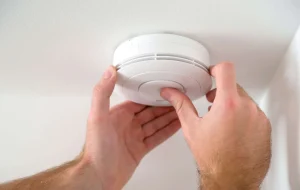
Frequently Asked Questions About Why Is My Smoke Detector Beeping
Why does my smoke detector beep randomly?
Random beeping can be caused by low batteries, sensor malfunctions, dust accumulation, or electrical interference.
What does it mean if my smoke detector beeps three times?
Three beeps in a row typically indicate smoke detection and should be taken seriously.
Can I silence my smoke detector without fixing the issue?
Silencing the detector without resolving the issue is dangerous. Always identify and fix the root cause.
How often should I replace my smoke detector?
Most smoke detectors should be replaced every 8-10 years to maintain efficiency.
Will a hardwired smoke detector beep if the power goes out?
Yes, if it has a backup battery, it will beep when the battery is low or disconnected.
Conclusion on Why Is My Smoke Detector Beeping
A beeping smoke detector is a crucial warning system that should never be ignored. Whether it’s due to a low battery, sensor malfunction, or environmental factors, identifying and resolving the issue is essential for home safety.
By regularly testing, maintaining, and replacing smoke detectors, you can ensure they function properly when needed. If your alarm is constantly beeping, follow troubleshooting steps or replace it if necessary.
Addressing beeping issues promptly ensures your home and loved ones remain protected from potential fire hazards.
