

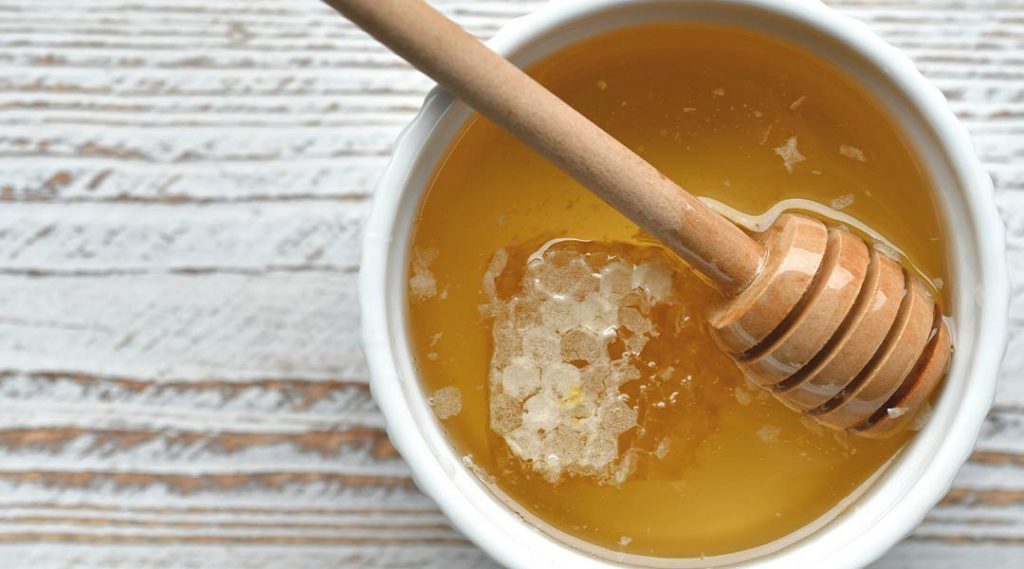
Why Honey Crystallizes? Honey is a natural, delicious sweetener, but many people wonder why it sometimes turns into a solid, grainy substance over time. This process, known as crystallization, is completely natural and can happen to any kind of honey, whether it’s raw or processed.
For many, the crystallization of honey can be perplexing and even lead to confusion about its quality. Understanding the reasons behind honey crystallization helps to clarify that it’s not a sign of bad honey but simply part of its natural lifecycle. This article will explore why honey crystallizes, the factors that contribute to it, and whether it’s safe to consume crystallized honey.
Why Honey Crystallizes
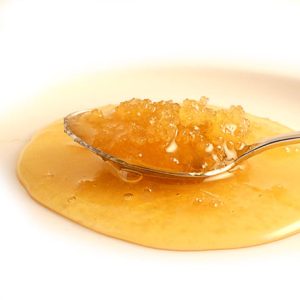
Honey is one of the most beloved natural foods, enjoyed worldwide for its rich sweetness, versatility, and health benefits. However, one of the most common questions people have about honey is why it crystallizes. This process, which turns liquid honey into a solid, can often be misunderstood.
Crystallization is not a flaw or sign of poor quality; it’s a natural occurrence. In this article, we will dive deep into the science behind why honey crystallizes, how it can be prevented, and how to restore crystallized honey to its liquid form. Whether you’re a honey enthusiast or a casual consumer, this guide will give you a greater appreciation for this natural phenomenon.
What Exactly Happens When Honey Crystallizes?
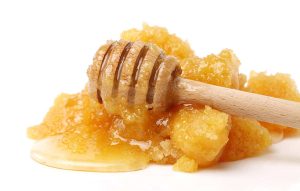
Crystallization is a natural process that occurs when the sugars in honey separate from the liquid. It’s not a defect but a reflection of honey’s composition. When honey crystallizes, glucose and other sugars in the honey bond together to form crystals. The remaining liquid becomes supersaturated with water and other sugars. Over time, this leads to a thick, creamy texture. Crystallization does not change the nutritional value or the taste of honey. Here’s what happens when honey crystallizes:
- Separation of sugars: The glucose in honey has a tendency to form crystals, while the fructose remains in liquid form.
- Formation of crystals: As glucose crystallizes, it creates a network of crystals that give honey its solid texture.
- Change in texture: The liquid honey thickens and becomes more opaque, resulting in a smooth, creamy consistency.
- No change in taste: Crystallized honey still retains its original flavor and nutritional value.
Understanding this natural transformation helps to alleviate any concerns about the quality of crystallized honey.
The Chemistry Behind Why Honey Crystallizes
Crystallization in honey is driven by the chemical properties of its main sugars—glucose and fructose. Honey is a supersaturated solution of sugars, and glucose is less soluble in water compared to fructose. Over time, glucose molecules begin to form crystals, while the remaining liquid portion remains mostly composed of fructose. The crystallization process can be explained by the following factors:
- Glucose solubility: Glucose has a low solubility in water, which causes it to separate and crystallize more easily than other sugars in honey.
- Fructose’s role: Fructose is more soluble in water, which helps keep honey in liquid form. The ratio of glucose to fructose in honey affects how quickly it crystallizes.
- Water content: Honey contains a small amount of water, typically between 14% and 18%. When the water content is too high, it can speed up the crystallization process.
- Enzyme activity: Certain enzymes in honey, such as invertase, help break down sucrose into glucose and fructose, contributing to the crystallization process.
This chemistry is at the heart of why honey crystallizes and how its texture changes over time.
Factors That Cause Honey to Crystallize Over Time
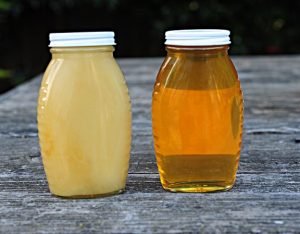
While the main reason honey crystallizes is its sugar content, several factors can accelerate or slow down the process. Understanding these factors can help you prevent or control crystallization. Here are some key factors that influence crystallization:
- Honey variety: Some types of honey crystallize more quickly than others. For example, clover honey tends to crystallize faster than acacia honey due to its higher glucose content.
- Storage temperature: Storing honey at cooler temperatures encourages crystallization, while warmer temperatures slow it down. Room temperature is ideal for keeping honey in liquid form.
- Water content: Honey with higher moisture content is more likely to crystallize. Be sure to store honey in a sealed container to avoid moisture absorption.
- Processing methods: Raw, unfiltered honey crystallizes faster than processed honey because it contains natural particles like pollen and beeswax that act as nuclei for crystal formation.
By managing these factors, you can control the rate at which honey crystallizes and keep it in its liquid state for longer periods.
The Role of Glucose and Fructose in Honey Crystallization
Glucose and fructose play crucial roles in honey crystallization due to their differing solubility and chemical properties. The balance between these two sugars directly affects how quickly honey will crystallize. Here’s a closer look at the role of each sugar:
- Glucose: Glucose is the sugar responsible for the crystallization of honey. It is less soluble in water and, therefore, more likely to form crystals over time.
- Fructose: Fructose, on the other hand, is more soluble and keeps honey in a liquid state. When honey has a higher fructose-to-glucose ratio, it crystallizes more slowly.
- Honey composition: The specific ratio of glucose to fructose varies between different types of honey. Honey varieties with higher glucose levels will crystallize faster than those with higher fructose content.
By understanding the role these sugars play, you can predict the crystallization rate of different types of honey.
Why Does Honey Crystallize Faster in Some Types?
Certain types of honey crystallize faster than others due to their unique sugar compositions. Honey that contains more glucose than fructose is more prone to crystallization. Here are some types of honey that tend to crystallize more quickly:
- Clover honey: Clover honey has a higher glucose content compared to other varieties, causing it to crystallize faster.
- Rapeseed honey: This honey is known for its rapid crystallization due to its high glucose-to-fructose ratio.
- Sunflower honey: Like clover and rapeseed honey, sunflower honey tends to crystallize more quickly because of its glucose content.
On the other hand, honey types with higher fructose content, such as acacia honey, tend to stay liquid for longer periods.
The Effect of Temperature on Honey Crystallization
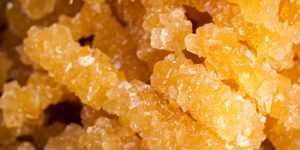
Temperature plays a critical role in how quickly honey crystallizes. The cooler the environment, the faster the crystallization process. Here’s how temperature affects honey’s transformation:
- Cold temperatures: Storing honey at temperatures below 50°F (10°C) can speed up crystallization. Refrigeration is one of the primary causes of crystallization.
- Room temperature: Storing honey at room temperature (65°F to 75°F) helps slow down crystallization. This is the ideal temperature range for keeping honey in liquid form.
- High temperatures: While high temperatures can prevent crystallization, it’s essential not to heat honey too much, as overheating can destroy its flavor and nutritional properties.
By managing the temperature at which honey is stored, you can prevent rapid crystallization and maintain its smooth, liquid form.
Is Crystallized Honey Safe to Eat?
Many people worry that crystallized honey is no longer safe to eat, but that’s far from the truth. Crystallization is a natural process, and crystallized honey is just as safe and nutritious as liquid honey. Here are some points to consider:
- Safety: Crystallized honey is perfectly safe to consume. The process does not affect the honey’s nutritional value or taste.
- Texture change: While the texture may change, the flavor remains the same. Some people even prefer the spreadable consistency of crystallized honey.
- Health benefits: Crystallized honey retains all the beneficial enzymes, antioxidants, and nutrients that make honey a healthy addition to your diet.
So, there’s no need to worry about eating crystallized honey—it’s just as good as liquid honey.
How to Prevent Honey from Crystallizing
Preventing honey from crystallizing involves understanding the factors that accelerate the process. While it’s impossible to stop crystallization entirely, you can significantly slow it down with proper storage techniques and by choosing the right honey. Here’s how you can prevent honey from crystallizing too quickly:
- Store honey in a warm environment: Keeping honey at room temperature (65°F to 75°F) can slow down crystallization. Avoid refrigeration, as it accelerates the process.
- Use airtight containers: Honey should be stored in tightly sealed containers to prevent moisture from entering. Excess moisture can speed up crystallization.
- Choose honey varieties that crystallize slowly: Honey types with a high fructose-to-glucose ratio, such as acacia honey, crystallize more slowly. These varieties are ideal if you prefer liquid honey.
- Avoid exposure to air: Honey can absorb moisture from the air, which increases the chances of crystallization. Always seal the container tightly after use.
With these strategies, you can delay crystallization and keep your honey in a liquid form for as long as possible.
How to Restore Crystallized Honey to Liquid Form
If your honey has crystallized and you prefer it in its liquid state, don’t worry. Crystallized honey can easily be restored to its original consistency without losing its flavor or nutritional value. Here are a few methods to return crystallized honey to its liquid form:
- Warm water bath: Place the jar of crystallized honey in a pot of warm water (about 95°F to 110°F). Stir occasionally until the crystals dissolve. Avoid using boiling water, as it can degrade the honey’s flavor and nutrients.
- Microwave method: If the jar is microwave-safe, heat the crystallized honey on low power in 15-20 second intervals, stirring each time until it returns to its liquid form.
- Gentle heating: If you prefer to use a stovetop, heat the honey in a saucepan on low heat, stirring constantly. Be sure to keep the temperature low to preserve the quality of the honey.
Restoring crystallized honey is simple, and you can enjoy it in its liquid form again without any loss of taste or health benefits.
Common Myths About Honey Crystallization Debunked
There are several myths surrounding honey crystallization that lead to confusion about its quality. Here are some common misconceptions and the facts to clear them up:
- Myth 1: Crystallized honey is spoiled: This is a widespread misconception. Crystallized honey is still perfectly good to eat. In fact, it’s often a sign of pure, natural honey.
- Myth 2: Honey that crystallizes quickly is of poor quality: The speed at which honey crystallizes depends on its sugar composition and storage conditions, not its quality. Some high-quality honeys, such as clover, crystallize faster.
- Myth 3: Crystallized honey loses its nutritional value: Crystallization does not affect the nutritional content of honey. The health benefits remain the same, whether the honey is liquid or crystallized.
- Myth 4: Honey can never crystallize if it’s pure: Even pure, raw honey will crystallize over time. Crystallization is a natural process and does not indicate anything about the purity or quality of the honey.
By debunking these myths, we can better understand the science behind honey crystallization and embrace it as a natural occurrence rather than a cause for concern.
The Impact of Storage on Why Honey Crystallizes
Proper storage is one of the most significant factors that influence whether or not honey crystallizes. How you store honey can either slow down or speed up this natural process. Here’s how storage conditions impact honey crystallization:
- Temperature: As mentioned earlier, storing honey at cooler temperatures promotes crystallization. Room temperature is ideal for keeping honey in its liquid state.
- Humidity: Excess moisture can cause honey to crystallize faster. It’s essential to store honey in a dry place and ensure the container is tightly sealed to prevent moisture from entering.
- Container type: The type of container you use can also affect crystallization. Glass jars or plastic containers with tight-fitting lids are ideal for maintaining the quality of honey and reducing crystallization.
By following these guidelines, you can effectively control the storage conditions to reduce crystallization and preserve the quality of your honey.
Frequently Asked Questions About Why Honey Crystallizes
- Is it safe to eat crystallized honey?
Yes, crystallized honey is completely safe to eat. It’s a natural process and doesn’t affect the quality or safety of the honey. - Can I prevent honey from crystallizing altogether?
It’s impossible to stop crystallization entirely, but you can slow it down by storing honey in a warm, dry place in an airtight container. - What types of honey crystallize the fastest?
Honey varieties high in glucose, like clover and rapeseed, tend to crystallize the fastest. - Why does honey crystallize?
Honey crystallizes due to the natural sugar composition, particularly the glucose in honey, which forms crystals when it separates from the water content. - How do I know if my honey is pure or has been altered?
Pure honey crystallizes over time, so if it doesn’t crystallize, it may have been processed or adulterated. Crystallization is a natural process for raw, pure honey.
Conclusion on Why Honey Crystallizes
Understanding why honey crystallizes helps us appreciate this fascinating natural process rather than view it as a flaw. Crystallization is simply a sign of pure honey and doesn’t diminish its quality. Factors such as glucose and fructose content, temperature, and storage conditions all contribute to how quickly honey crystallizes.
Whether you prefer liquid honey or enjoy it in its crystallized form, knowing how to manage and restore crystallized honey gives you more control over its texture and use. Ultimately, honey crystallization is a natural, beneficial process that speaks to the purity and authenticity of this sweet, timeless food.
