


If your cat has been sneezing frequently, it might leave you wondering what’s causing it and whether it’s something serious. While sneezing is a common reflex in humans, cats experience it for different reasons. It can range from harmless occurrences to symptoms of underlying health issues.
Understanding the various causes of sneezing in cats can help you determine when it’s just a temporary issue or a sign of a more significant health concern. This article will explore common causes of sneezing in cats, delve into specific health conditions, and provide guidance on how to address and prevent this issue for your furry friend.
Common Causes of Sneezing in Cats
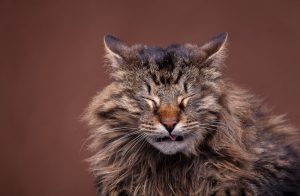
Sneezing is a natural way for cats to clear their nasal passages, but when it occurs frequently, it could signal a problem. Here are some common causes of sneezing in cats:
- Irritants in the environment: Dust, pollen, smoke, and strong odors like perfumes can irritate a cat’s nasal passages, causing sneezing.
- Foreign objects: Sometimes, cats may inhale small particles or objects that can get stuck in their nose, triggering sneezing as their body attempts to expel the foreign body.
- Dry air: Dry or heated indoor air can dry out a cat’s nasal passages, leading to sneezing and discomfort.
- Poor hygiene: Cats with unclean fur or homes may inhale dirt and bacteria that irritate their respiratory system, resulting in sneezing.
Recognizing these causes is crucial for determining whether the sneezing is temporary or an ongoing problem.
Allergies and How They Relate to Sneezing in Cats
Just like humans, cats can suffer from allergies that may lead to sneezing. Allergies in cats are often triggered by environmental factors. Understanding how allergies affect your cat’s health can help you identify potential allergens and provide relief. Common allergens in cats include:
- Pollen: Seasonal allergies, like hay fever, can cause sneezing, watery eyes, and nasal discharge.
- Dust mites: Dust mites are a significant allergen and can trigger sneezing in sensitive cats.
- Mold: Mold in the home can worsen allergies and cause sneezing episodes.
- Perfumes and cleaning products: Strong fragrances from household products can irritate your cat’s respiratory system and cause sneezing.
By identifying what your cat is allergic to, you can minimize exposure to these allergens and reduce sneezing.
Respiratory Infections: A Key Reason for Sneezing
One of the most common reasons for sneezing in cats is respiratory infections. These infections can be viral, bacterial, or fungal and can cause more than just sneezing. Here are some of the common respiratory infections in cats:
- Feline upper respiratory infections (URI): These are among the most common causes of sneezing in cats. URIs are typically caused by viruses like feline herpesvirus and feline calicivirus, and they often present with symptoms like coughing, nasal discharge, and a decrease in appetite.
- Bacterial infections: If a cat’s immune system is compromised, it may develop bacterial infections in the nose or sinuses, leading to sneezing and other symptoms.
- Fungal infections: Fungal infections like cryptococcosis can also cause sneezing and are often accompanied by nasal discharge.
If your cat’s sneezing is persistent or accompanied by other symptoms, it’s essential to consult a veterinarian for proper diagnosis and treatment.
Environmental Triggers for Cat Sneezing
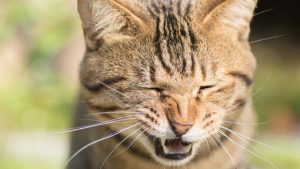
Environmental triggers can often cause sneezing in cats, and understanding them is essential for managing the issue. Here are some common environmental factors that can irritate your cat’s respiratory system:
- Smoke: Exposure to cigarette smoke, candles, and other forms of smoke can irritate a cat’s sensitive nasal passages.
- Strong odors: Some cleaning products, perfumes, and chemicals can trigger sneezing episodes in cats due to their strong, pungent smells.
- Dust and dirt: Cats living in dusty environments or areas with poor air quality may sneeze as a reaction to airborne particles.
By controlling your cat’s environment and reducing exposure to these irritants, you can prevent frequent sneezing episodes.
Feline Viral Infections and Sneezing
Viral infections are a common cause of sneezing in cats, and they often result in more severe respiratory symptoms. Here are two primary viral infections that lead to sneezing in cats:
- Feline herpesvirus (FHV-1): This virus is one of the leading causes of feline upper respiratory infections. It can cause sneezing, nasal discharge, and eye discharge. FHV-1 is highly contagious and can flare up during times of stress or weakened immunity.
- Feline calicivirus (FCV): Another viral infection that causes sneezing, fever, and oral ulcers in cats. FCV can sometimes lead to pneumonia in severe cases.
Vaccines are available for both FHV-1 and FCV, which can help prevent or minimize symptoms in cats that are exposed to these viruses.
Sinus Problems and Their Impact on Sneezing
Sinus issues are another reason cats may experience sneezing. The sinuses are air-filled cavities in the skull that help humidify and filter air. When these cavities become inflamed or infected, it can lead to sneezing. Common sinus-related problems include:
- Sinusitis: This is the inflammation of the sinuses, often caused by a bacterial or viral infection. Cats with sinusitis may have frequent sneezing, nasal discharge, and facial swelling.
- Nasal polyps: Non-cancerous growths in the nasal passages or sinuses can cause sneezing and nasal congestion.
- Dental issues: Dental infections, especially those affecting the upper teeth, can spread to the sinuses and cause sneezing.
If your cat shows signs of sinus problems, it’s important to seek veterinary care for proper diagnosis and treatment.
Diet’s Role in Cat Sneezing
Diet can have a subtle but important role in how your cat’s body reacts, including its tendency to sneeze. While diet may not directly cause sneezing, certain foods can influence your cat’s immune system or worsen existing conditions. Here are ways diet can affect sneezing:
- Food allergies: Cats, like humans, can develop allergies to certain foods. Common allergens include dairy, beef, fish, and chicken. If your cat is sneezing frequently and also has digestive issues or skin irritation, food allergies might be the culprit.
- Obesity: An overweight cat can be more susceptible to respiratory issues, including sneezing, as excess fat can put pressure on the lungs and restrict normal breathing.
- Nutritional deficiencies: A poor diet lacking essential vitamins and minerals may weaken your cat’s immune system, making them more prone to infections that could trigger sneezing.
Ensuring your cat receives a balanced, allergy-friendly diet can help minimize sneezing and promote overall health.
When to Worry About Your Cat’s Sneezing
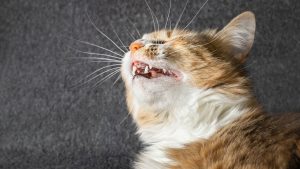
While occasional sneezing in cats is often harmless, certain signs suggest it could be a sign of something more serious. Here are some red flags that should prompt a visit to the vet:
- Frequent or severe sneezing: If your cat is sneezing excessively or the sneezing seems violent, it’s time to seek professional advice.
- Nasal discharge: Yellow or green mucus from the nose, especially if it’s persistent, could indicate an infection.
- Other symptoms: If sneezing is accompanied by coughing, lethargy, loss of appetite, difficulty breathing, or eye discharge, these are signs of a respiratory infection or other underlying condition.
- Changes in behavior: If your cat becomes more irritable, withdraws from interaction, or shows signs of pain when sneezing, it’s a good idea to get them checked by a veterinarian.
Knowing when to seek professional help ensures your cat gets the care they need before a mild issue turns into something more serious.
How to Treat Your Cat if They Keep Sneezing
Treating a cat that keeps sneezing depends largely on the cause. Here are general treatments to consider:
- Veterinary care: If the sneezing is due to an infection or allergy, a vet may recommend medications such as antibiotics, antiviral drugs, or antihistamines.
- Humidity: Use a humidifier in your cat’s environment to help loosen mucus and make breathing easier, especially if dry air is a problem.
- Nasal saline drops: A saline solution can help clear mucus and soothe your cat’s irritated nose.
- Proper nutrition: Ensure your cat is on a high-quality, allergy-free diet to support their immune system and prevent food-related sneezing.
Always follow your vet’s advice and keep your cat comfortable during treatment.
Myths About Sneezing Cats
There are several misconceptions about sneezing cats that can cause confusion among pet owners. Let’s debunk a few:
- Myth: Sneezing is always caused by allergies: While allergies are a common cause, sneezing can also be caused by infections, environmental irritants, and more.
- Myth: Cats who sneeze must have a cold: Cats don’t catch “colds” like humans do. Their sneezing may be due to other issues such as viral infections, not a common cold.
- Myth: You can’t treat a cat’s sneezing at home: Depending on the cause, mild sneezing can be managed at home with the right care. If symptoms worsen, then a vet’s intervention is required.
Understanding the truth behind sneezing can help you address your cat’s health concerns with greater confidence.
Conclusion Why Does My Cat Keep Sneezing
Sneezing in cats can be caused by a wide range of factors, from allergies to respiratory infections, and even diet or environmental triggers. By paying attention to your cat’s behavior and any accompanying symptoms, you can determine when to intervene and when to seek veterinary care.
Whether it’s adjusting your cat’s diet, keeping their environment clean, or addressing underlying health issues, understanding the reasons behind sneezing can help you keep your feline friend healthy and comfortable. Regular vet check-ups and a proactive approach to your cat’s health will ensure they lead a happy, sneeze-free life.
