

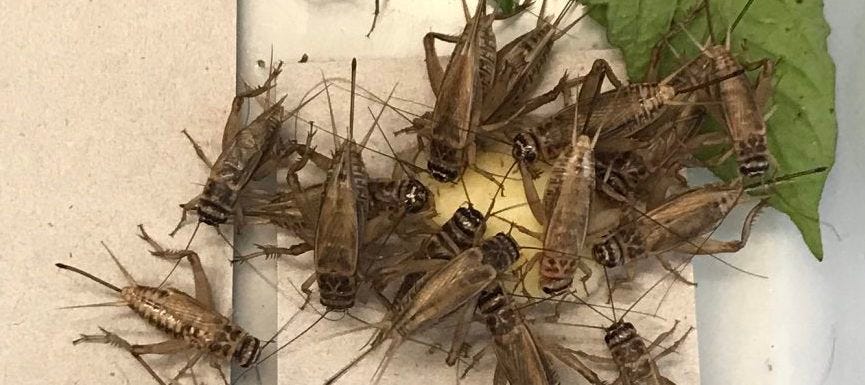
What Do Crickets Eat? Crickets are fascinating creatures with an adaptable and diverse diet. They consume a variety of foods depending on their environment. Whether in the wild or captivity, their diet impacts their survival and overall health. Understanding what crickets eat is crucial for pet owners, researchers, and those who use them as feeder insects. In the wild, crickets eat plants, fungi, and decaying organic matter, playing a key role in the ecosystem.
However, pet crickets require a more controlled diet to stay healthy. The right balance of nutrients helps maintain their energy levels, chirping ability, and lifespan. Hydration is also vital, as crickets rely on moisture from food sources. Learning about their diet ensures proper care, preventing malnutrition or dehydration. Whether kept as pets or studied for ecological reasons, providing the right food is essential for their well-being.
What Do Crickets Eat in the Wild?
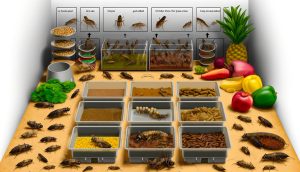
- Plants and organic matter
Wild crickets feed on grass, leaves, and fruit scraps, making them essential for breaking down organic waste. They consume decaying plant matter, which helps recycle nutrients back into the soil. - Fungi and mold
In damp environments, crickets consume fungi and mold, which provide essential nutrients. This helps regulate fungal growth in ecosystems. - Small insects and carcasses
Crickets are omnivorous and sometimes eat dead insects or weak prey. This adds protein to their diet, helping them survive when plant sources are scarce. - Scavenging behavior
As natural scavengers, crickets eat anything they find, including rotting food and animal waste. This adaptability allows them to thrive in different environments.
What Do Crickets Eat as Pets?
Pet crickets require a nutritious and balanced diet to stay active and healthy. Unlike their wild counterparts, they rely on their owners for proper feeding.
- Fruits and vegetables
Crickets enjoy eating carrots, potatoes, apples, and leafy greens. These provide moisture and essential vitamins for growth. - Protein sources
To maintain energy, pet crickets eat fish flakes, dog food, and high-protein grains. Protein supports their exoskeleton development. - Specialized cricket feed
Many pet stores sell cricket food pellets, designed to provide a well-rounded diet with all necessary nutrients. - Calcium for strong shells
Sprinkling calcium powder on food helps strengthen their exoskeletons, improving their ability to molt successfully.
Do Crickets Eat Meat?
Crickets are omnivores, meaning they eat both plant and animal-based food. While their diet consists mostly of vegetation, they also consume protein-rich sources when available.
- Eating small insects
Crickets sometimes eat weaker insects, aphids, and larvae, especially when protein is needed for survival. - Consuming carcasses
When food is scarce, crickets feed on dead insects to meet their nutritional needs. - Necessity of protein
Protein helps crickets grow stronger, chirp louder, and live longer. Without it, they may become weak and inactive.
What Foods Should Crickets Avoid?
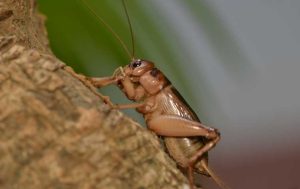
Feeding crickets the wrong foods can harm their health. Avoid giving them anything that could be toxic or difficult to digest.
- Processed foods
Crickets should not eat salty snacks, sugary foods, or artificially flavored items. These can cause digestive issues. - Pesticide-contaminated plants
Fruits and vegetables treated with chemicals are dangerous. Always wash produce before feeding. - Oily or greasy foods
Greasy foods clog crickets’ digestive systems, leading to health problems. Stick to natural food sources. - Hard, dry foods
Crickets struggle to digest hard grains or dried beans. Softening food with moisture helps them eat properly.
How Often Do Crickets Eat?
Crickets have high metabolic rates, requiring frequent feeding. Their eating habits depend on environmental factors like temperature and humidity.
- Daily feeding
Pet crickets eat once or twice a day, depending on food availability and size. - Temperature effects
In warm conditions, crickets eat more often, while in colder temperatures, their metabolism slows down. - Avoiding overfeeding
Too much food can lead to waste buildup, creating an unhealthy environment. Feed them in moderate amounts to prevent mold and bacteria.
How to Provide Water for Crickets?
Hydration is essential for crickets, but standing water can be dangerous as they may drown easily. Instead, use safer hydration methods.
- Moist food sources
Crickets get most of their water from fruits and vegetables like cucumbers and lettuce. - Damp sponges and water crystals
A wet sponge or water gel crystals can provide hydration without the risk of drowning. - Avoiding water bowls
Open water sources increase drowning risks. Always use moisture-rich foods or alternative hydration methods.
What Do Baby Crickets Eat?
Young crickets, known as nymphs, require a nutrient-rich diet for healthy growth. Their diet is similar to adults but in smaller portions.
- Soft vegetables
Baby crickets eat lettuce, cooked carrots, and banana slices, which are easy to digest. - Protein sources
They need fine fish flakes or powdered egg yolk for strong development. - Calcium and hydration
Providing calcium-rich food and hydration sources helps them molt properly and grow strong exoskeletons.
- Crickets can eat their own exoskeletons after molting to regain lost nutrients.
- Some cricket species prefer specific plants over others.
- A cricket’s diet influences its chirping frequency and loudness.
- Crickets can survive days without food but need consistent moisture.
- Their scavenging habits help clean the environment by breaking down waste.
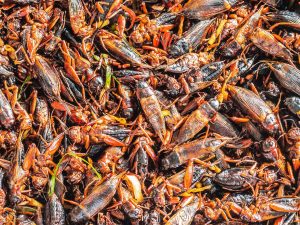
- In some countries, crickets are fed special diets before being consumed by humans.
- Crickets are opportunistic feeders, eating almost anything available.
Frequently Asked Questions About What Do Crickets Eat
How long can crickets survive without food?
Crickets can live for about 1-2 weeks without food but need water frequently.
Can crickets eat fresh fruits and vegetables?
Yes, they enjoy carrots, lettuce, apples, and potatoes, among other fresh foods.
Do crickets eat other insects?
Yes, they are omnivorous and can consume smaller insects when necessary.
Is it safe to feed crickets processed food?
It’s best to avoid processed foods, salty snacks, and anything with pesticides.
Do crickets need protein in their diet?
Yes, protein sources like fish flakes, dog food, and egg cartons help their growth.
Can crickets drink water from a dish?
No, standing water is dangerous; they absorb moisture from damp sponges or fresh food.
What happens if crickets eat unhealthy food?
They may become weak, sick, or even die if fed harmful substances.
Conclusion on What Do Crickets Eat
Crickets have a highly adaptable diet, consuming plants, fruits, vegetables, and even small insects. In the wild, they scavenge for food, playing an essential role in the ecosystem. As pets, they require a nutrient-rich diet to stay active and healthy. Providing hydration, protein, and safe food sources ensures longevity and vitality.
Avoiding harmful foods helps prevent health issues, allowing them to thrive. Whether used as feeders, kept as pets, or studied in ecological research, understanding what crickets eat is key to proper care and maintenance.
