

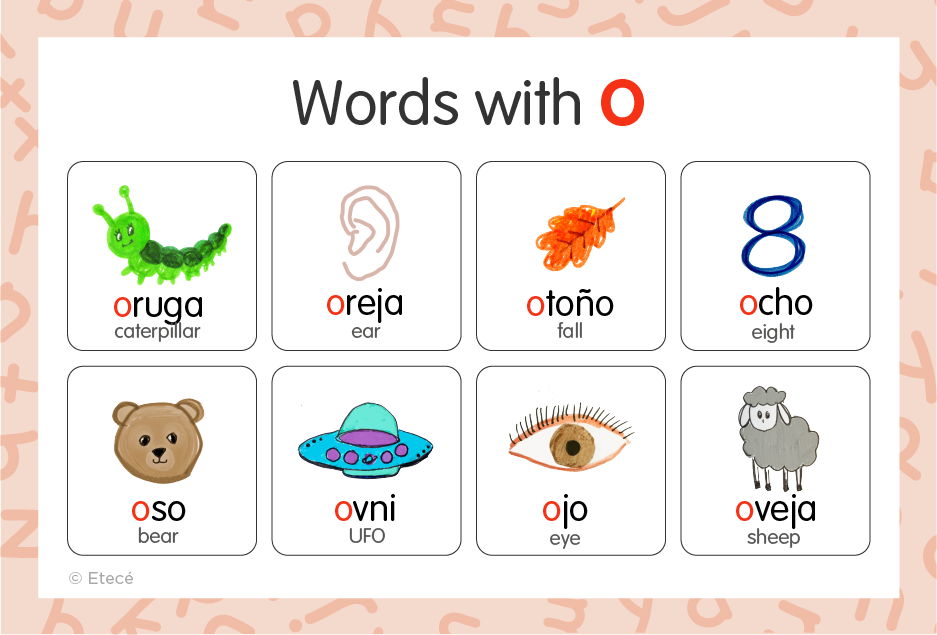
Some words like “oro” (gold), “oficina” (office), and “océano” (ocean) are easy to remember and widely used. Others, such as “obedecer” (to obey) and “oscurecer” (to darken), are essential in conversations. By practicing these words and their meanings, learners can improve their Spanish proficiency and confidence.
In the following sections, we will explore various categories of Spanish words that begin with O, including nouns, verbs, adjectives, and food-related terms. Understanding these words makes Spanish learning more engaging and practical, allowing you to incorporate them into everyday speech and writing.
Introduction to Spanish Words That Start with O

Spanish is a rich and expressive language, and many words beginning with O are used in daily conversations. Understanding these words enhances vocabulary and strengthens communication skills. Whether you’re learning Spanish for travel, work, or personal interest, recognizing words that start with O can be highly beneficial.
Why Learn Spanish Words That Start with O?
- Common Usage: Many Spanish words beginning with O appear in conversations, literature, and media.
- Enhancing Fluency: Expanding your vocabulary with these words improves speaking and writing abilities.
- Cultural Insight: Some words reflect cultural aspects, such as “ole” (a cheer used in flamenco) or “oración” (prayer).
Examples of Useful Words
- Nouns: “ojo” (eye), “origen” (origin), “obra” (work).
- Verbs: “obedecer” (to obey), “olvidar” (to forget), “opinar” (to give an opinion).
- Adjectives: “oscuro” (dark), “orgulloso” (proud), “ofensivo” (offensive).
By incorporating these words into your Spanish learning routine, you can enhance your vocabulary and speak more naturally in different situations.
Common Spanish Nouns Beginning with O
Nouns are essential in sentence formation, as they refer to people, places, things, or ideas. Many Spanish nouns that start with O are frequently used in daily conversations and writing.
Examples of Common Spanish Nouns with O
- “Oso” (bear) – “El oso pardo vive en los bosques.” (The brown bear lives in the forests.)
- “Oro” (gold) – “El oro es un metal precioso.” (Gold is a precious metal.)
- “Océano” (ocean) – “El océano Atlántico es muy grande.” (The Atlantic Ocean is very large.)
- “Oficina” (office) – “Trabajo en una oficina en el centro.” (I work in an office downtown.)
- “Orquesta” (orchestra) – “La orquesta tocó una melodía hermosa.” (The orchestra played a beautiful melody.)
How to Use These Nouns in Sentences
- Descriptive Sentences: “El océano es azul y profundo.” (The ocean is blue and deep.)
- Daily Conversations: “Voy a la oficina temprano.” (I go to the office early.)
Expanding your vocabulary with these O nouns will improve your ability to express ideas clearly in Spanish.
Popular Spanish Verbs That Start with O
Verbs play a crucial role in sentence structure, helping to express actions, states, and occurrences. Spanish contains many O-starting verbs that are useful in everyday communication.
Frequently Used Spanish Verbs with O
- “Observar” (to observe) – “Me gusta observar la naturaleza.” (I like to observe nature.)
- “Ofrecer” (to offer) – “Ella me ofreció ayuda.” (She offered me help.)
- “Ocupar” (to occupy) – “Ese asiento ya está ocupado.” (That seat is already occupied.)
- “Olvidar” (to forget) – “Olvidé mi libro en casa.” (I forgot my book at home.)
- “Opinar” (to express an opinion) – “¿Qué opinas sobre la película?” (What do you think about the movie?)
Practical Uses of These Verbs
- In Requests: “¿Puedes ofrecerme un café?” (Can you offer me a coffee?)
- In Daily Life: “Trato de observar cada detalle.” (I try to observe every detail.)
Learning these O verbs helps in forming more complex sentences and improving Spanish fluency.
Adjectives in Spanish That Begin with O
Adjectives are used to describe nouns, providing details about appearance, quality, or condition. Many Spanish adjectives that start with O are frequently used in conversations.
Common Spanish Adjectives with O
- “Oscuro” (dark) – “El cuarto está oscuro.” (The room is dark.)
- “Orgulloso” (proud) – “Estoy orgulloso de ti.” (I am proud of you.)
- “Obligatorio” (mandatory) – “El uso del cinturón es obligatorio.” (Wearing a seatbelt is mandatory.)
- “Ofensivo” (offensive) – “Ese comentario fue ofensivo.” (That comment was offensive.)
- “Opaco” (opaque) – “El vidrio es opaco.” (The glass is opaque.)
How to Use These Adjectives in Sentences
- Descriptive Sentences: “La película era oscura y misteriosa.” (The movie was dark and mysterious.)
- Comparisons: “Esta pared es más opaca que la otra.” (This wall is more opaque than the other.)
Mastering these O adjectives will enhance your Spanish speaking and writing skills.
Useful Everyday Spanish Words Starting with O
Many Spanish words beginning with O are part of daily conversations and essential phrases.
Commonly Used Everyday Words
- “Otra vez” (again) – “¿Puedes repetirlo otra vez?” (Can you repeat it again?)
- “Ojalá” (hopefully) – “Ojalá mañana haga sol.” (Hopefully, it will be sunny tomorrow.)
- “Ordenar” (to order) – “Voy a ordenar la cena.” (I am going to order dinner.)
- “Ocurrir” (to happen) – “No sé qué ocurrió.” (I don’t know what happened.)
- “Obvio” (obvious) – “Es obvio que él está feliz.” (It’s obvious that he is happy.)
These words are useful in casual conversations, travel situations, and workplace discussions, making them essential for Spanish learners.
Spanish Words Related to Food and Drinks That Start with O
Spanish cuisine has a variety of delicious foods and drinks with names that start with O.
Popular Spanish Food Words with O
- “Olivas” (olives) – “Las olivas son un aperitivo popular.” (Olives are a popular appetizer.)
- “Oregano” (oregano) – “El orégano le da sabor a la comida.” (Oregano adds flavor to food.)
- “Ostra” (oyster) – “Las ostras son muy caras.” (Oysters are very expensive.)
- “Osobuco” (braised veal) – “El osobuco es un plato delicioso.” (Osobuco is a delicious dish.)
Learning food-related words in Spanish helps in ordering food, reading menus, and cooking Spanish recipes.
Spanish Words for Places and Locations Beginning with O
Spanish has several words for places and locations that start with O, which are useful in directions, travel, and geography. Knowing these words helps in navigating cities, understanding maps, and having better conversations.
Common Spanish Place Names Starting with O
- “Oficina” (office) – “Trabajo en una oficina grande.” (I work in a big office.)
- “Océano” (ocean) – “El océano es vasto y hermoso.” (The ocean is vast and beautiful.)
- “Orilla” (shore) – “Caminamos por la orilla del mar.” (We walked along the shore of the sea.)
- “Observatorio” (observatory) – “El observatorio tiene un telescopio grande.” (The observatory has a large telescope.)
- “Oasis” (oasis) – “Encontramos un oasis en el desierto.” (We found an oasis in the desert.)
How These Words Are Used in Spanish Conversations
- Travel and Directions: “La oficina está cerca del océano.” (The office is near the ocean.)
- Geographical Descriptions: “El observatorio está en la montaña.” (The observatory is on the mountain.)
By using these words, Spanish learners can describe locations more accurately and enhance their speaking and writing skills.
Spanish Words for Emotions and Feelings That Start with O
Emotions play an important role in expressing thoughts, moods, and experiences. Spanish includes several words beginning with O that describe feelings, which are essential in conversations, literature, and personal interactions.
Common Emotional Words in Spanish with O
- “Optimismo” (optimism) – “El optimismo ayuda en tiempos difíciles.” (Optimism helps in difficult times.)
- “Orgullo” (pride) – “Siento orgullo por mi familia.” (I feel pride in my family.)
- “Odio” (hatred) – “El odio no es bueno para nadie.” (Hatred is not good for anyone.)
- “Opresión” (oppression) – “La opresión causa sufrimiento.” (Oppression causes suffering.)
- “Osadía” (boldness) – “Su osadía lo llevó al éxito.” (His boldness led him to success.)
How These Words Are Used in Conversations
- Describing Feelings: “Hoy siento optimismo por el futuro.” (Today I feel optimistic about the future.)
- Expressing Opinions: “El orgullo es importante en la vida.” (Pride is important in life.)
These words help in understanding human emotions and communicating thoughts effectively in Spanish.
Medical and Scientific Terms in Spanish That Begin with O
Medical and scientific terms are important for understanding health, biology, and chemistry in Spanish. Many words beginning with O are commonly used in hospitals, laboratories, and academic settings.
Common Medical and Scientific Words with O
- “Óptico” (optic) – “El nervio óptico es esencial para la vista.” (The optic nerve is essential for vision.)
- “Oncología” (oncology) – “La oncología trata el cáncer.” (Oncology treats cancer.)
- “Oxígeno” (oxygen) – “El oxígeno es vital para respirar.” (Oxygen is vital for breathing.)
- “Organismo” (organism) – “Cada organismo tiene una función específica.” (Each organism has a specific function.)
- “Osteoporosis” (osteoporosis) – “La osteoporosis afecta los huesos.” (Osteoporosis affects the bones.)
How These Words Are Used in Sentences
- Medical Conversations: “El doctor estudia oncología.” (The doctor studies oncology.)
- Science Discussions: “Los organismos dependen del oxígeno.” (Organisms depend on oxygen.)
Learning these words helps in medical discussions, reading scientific texts, and improving health-related vocabulary.
Spanish Slang and Informal Words That Start with O
Spanish slang is colorful, expressive, and varies by country. Words that start with O in informal Spanish add character and authenticity to conversations.
Common Slang Words with O
- “Órale” (wow, hurry up) – “¡Órale, vamos tarde!” (Wow, we are late!)
- “Onda” (vibe) – “Me gusta la onda de esta música.” (I like the vibe of this music.)
- “Ojo” (watch out) – “¡Ojo! Hay un perro suelto.” (Watch out! There’s a loose dog.)
- “Oscurecer” (to mess up) – “No oscurezcas la situación.” (Don’t mess up the situation.)
- “Ordinario” (rude) – “No seas tan ordinario con los demás.” (Don’t be so rude to others.)
How These Words Are Used Casually
- Expressions of Surprise: “¡Órale! No esperaba eso.” (Wow! I didn’t expect that.)
- Giving Warnings: “Ojo con ese coche.” (Watch out for that car.)
Using slang makes conversations sound more natural and helps in understanding native speakers.
Historical and Cultural Terms in Spanish Starting with O
Spanish history and culture include significant words beginning with O that relate to traditions, historical events, and famous figures.
Important Historical and Cultural Words
- “Ofrenda” (offering) – “Las ofrendas son esenciales en el Día de los Muertos.” (Offerings are essential on the Day of the Dead.)
- “Orden” (order) – “La Orden de Santiago es una institución histórica.” (The Order of Santiago is a historical institution.)
- “Olmeca” (Olmec) – “Los olmecas fueron una civilización antigua.” (The Olmecs were an ancient civilization.)
- “Oratoria” (oratory) – “La oratoria era importante en la política romana.” (Oratory was important in Roman politics.)
- “Ocasión” (occasion) – “Las fiestas nacionales son ocasiones especiales.” (National holidays are special occasions.)
How These Words Are Used in Historical Context
- Talking About History: “Los olmecas influyeron en otras culturas.” (The Olmecs influenced other cultures.)
- Discussing Traditions: “Las ofrendas reflejan la cultura mexicana.” (Offerings reflect Mexican culture.)
Knowing these words deepens understanding of Spanish heritage and cultural richness.
How to Use Spanish Words That Start with O in Sentences
To improve fluency and accuracy, it’s important to practice using words in sentences.
Examples of Different Word Types in Sentences
- Noun: “El océano es inmenso y azul.” (The ocean is vast and blue.)
- Verb: “Observo a los pájaros en el parque.” (I observe birds in the park.)
- Adjective: “Este lugar es oscuro y misterioso.” (This place is dark and mysterious.)
Tips for Practicing These Words
- Write sentences daily.
- Engage in conversations using new words.
- Read books or articles containing these words.
Using these words correctly helps in better communication and comprehension.
Frequently Asked Questions about Spanish Words That Start with O
What are some common Spanish words that start with O?
There are many Spanish words beginning with O, including “ojo” (eye), “orquesta” (orchestra), “olor” (smell), “orden” (order), and “oportunidad” (opportunity). These words are commonly used in both written and spoken Spanish.
What Spanish verbs start with O?
Several verbs start with O, such as “obedecer” (to obey), “ofrecer” (to offer), “opinar” (to give an opinion), “olvidar” (to forget), and “organizar” (to organize). These verbs are useful in everyday conversations.
Are there adjectives in Spanish that begin with O?
Yes, some adjectives include “oscuro” (dark), “ofensivo” (offensive), “ordinario” (ordinary), “optimista” (optimistic), and “obligatorio” (mandatory). These adjectives help describe people, places, and things.
What are some informal or slang words with O?
In Spanish slang, words like “órale” (an expression of encouragement or surprise) and “ojo” (watch out) are commonly used. These words add a natural and authentic tone to conversations.
How can I improve my Spanish vocabulary with O words?
Practice by reading books, listening to Spanish conversations, and using new words in sentences daily. Engaging in conversations with native speakers also helps reinforce learning.
Conclusion on Expanding Vocabulary with Spanish Words That Start with O
Expanding your vocabulary with Spanish words that start with O helps in improving fluency, understanding, and communication. Whether learning nouns, verbs, adjectives, or slang words, knowing these words will enhance your ability to speak, write, and comprehend Spanish better.
By learning common words like “ojo” (eye) or “oportunidad” (opportunity) and practicing verbs such as “obedecer” (to obey) and “organizar” (to organize), you can form better sentences and express yourself more accurately. Additionally, understanding adjectives like “optimista” (optimistic) and “oscuro” (dark) allows you to describe people and situations more effectively.
To reinforce your vocabulary, try reading books, listening to Spanish songs, watching Spanish movies, and practicing with native speakers. Writing down new words, making flashcards, and using them in daily conversations will also help retain and remember them effortlessly.
Learning Spanish words that start with O is a great step toward mastering the language, improving your communication skills, and becoming more confident when speaking with native Spanish speakers. Keep practicing, and your vocabulary will continue to grow!
