

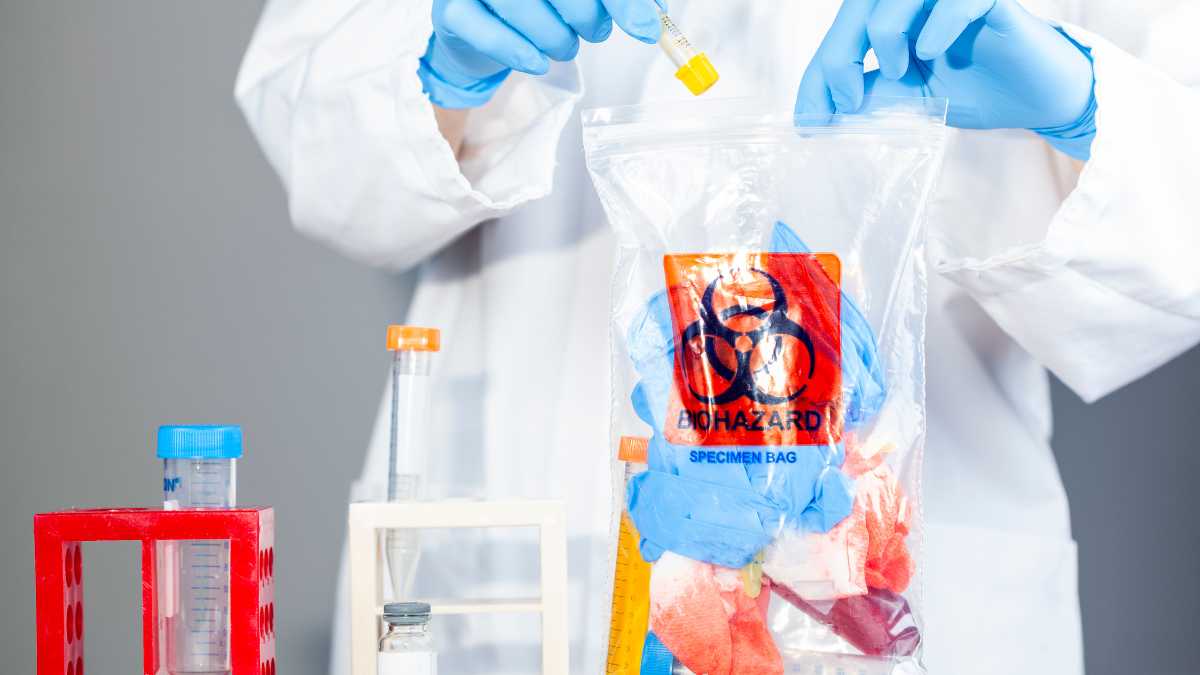
In the bustling city of Austin, a burgeoning hub of healthcare and innovation, the management of medical waste has become an urgent priority. The city’s healthcare facilities, from sprawling hospitals to private clinics, are constantly seeking more sustainable methods to handle their waste. Traditional disposal methods, which often involve incineration and landfill dumping, are not only environmentally detrimental but also increasingly incompatible with our global sustainability goals. This article explores pioneering eco-friendly techniques for medical waste disposal in Austin, highlighting revolutionary practices that promise to reshape the industry and safeguard our planet.
Sustainable Practices in Medical Waste Management
Medical waste, if not managed correctly, can pose significant risks to public health and the environment. The introduction of eco-friendly disposal techniques is not merely a regulatory compliance or corporate responsibility; it’s a necessity for the long-term health of our community and planet. In Austin, initiatives to adopt greener practices in medical waste management are setting a new standard for healthcare providers everywhere.
1. Advanced Thermal Treatment Technologies
One of the most promising advancements in the field of medical waste disposal is the use of advanced thermal treatment technologies. Unlike traditional incineration, which emits harmful pollutants, newer technologies such as pyrolysis and gasification offer a way to convert waste into energy with minimal environmental impact. These processes involve the decomposition of organic material at high temperatures in the absence of oxygen, resulting in the production of synthetic gas (syngas) and a solid residue called char, both of which can be further utilized.
2. Sterilization and Recycling of Medical Plastics
Another significant step forward is the sterilization and subsequent recycling of medical plastics. This approach not only reduces the amount of waste going to landfills but also addresses the non-biodegradable nature of most plastics used in the medical industry. By employing advanced sterilization techniques, such as autoclaving and chemical treatments, plastics are rendered safe for recycling, thus entering a new lifecycle as a different product. This not only conserves resources but also reduces the carbon footprint associated with the production of new plastic materials.
3. Digital Tracking and Waste Minimization
The integration of digital solutions into waste management represents a leap forward in efficiency and accountability. Through the use of RFID technology and sophisticated software systems, healthcare facilities in Austin can now track their waste from the point of creation to final disposal. This not only ensures compliance with regulatory requirements but also helps in identifying opportunities for waste reduction. By analyzing data collected throughout the disposal process, facilities can pinpoint areas where waste generation can be minimized, thus adopting more sustainable practices.
4. Community and Regulatory Engagement
Engagement with the community and strict adherence to evolving regulatory landscapes are crucial for the successful implementation of sustainable waste disposal methods. Austin’s healthcare providers are increasingly collaborating with local authorities, environmental organizations, and the community to promote awareness and ensure compliance with the highest environmental standards. This collaborative approach not only enhances community trust but also fosters a culture of sustainability within the sector.
Emphasizing Zero Waste Principles in Healthcare
The concept of zero waste goes beyond merely reducing waste. It’s about rethinking our resource lifecycle so that all products are reused, and nothing is sent to landfills or incinerators. In the context of medical waste in Austin, hospitals and clinics are adopting practices that align with zero waste principles. This includes reprocessing medical devices and using materials that are easier to recycle. Additionally, education programs for staff on waste segregation significantly increase the rate of proper recycling and reuse of materials.
Innovations in Non-Burn Disposal Methods
As we continue to move away from traditional incineration methods, Austin is seeing an uptick in the adoption of alternative non-burn technologies. These include chemical disinfection, enzymatic digesters, and mechanical compaction systems that significantly reduce the volume and toxicity of waste before disposal. These technologies are particularly important in handling pathological waste and sharp objects, which pose significant health risks. Each method not only decreases environmental impact but also aids in recovering valuable materials that can be repurposed in other industries.
Enhancing Sustainability Through Waste-to-Energy Conversion
Waste-to-energy (WTE) conversion is gaining traction as a sustainable option for managing medical waste while also generating energy. In Austin, facilities are exploring the use of medical waste as a feedstock for biomass energy production. This not only helps in managing the waste efficiently but also supports the city’s energy needs. The process involves converting waste into electricity, heat, or fuel through various biological and thermal processes, making it a dual benefit—disposing of waste and generating energy.
Green Procurement and Eco-Design
Green procurement policies are pivotal in reducing the environmental impact of medical waste. By choosing suppliers who adhere to eco-friendly practices, healthcare facilities in Austin can ensure that the products they use are made with sustainable materials and are designed for easier disposal or recycling. Eco-design of medical instruments and disposables also plays a crucial role. Products designed for multiple uses or with biodegradable materials can significantly reduce the amount of waste generated.
Local Treatment Facilities: A Community-Centric Approach
Developing local treatment facilities for medical waste in Austin not only shortens the chain of disposal but also reduces the carbon emissions associated with transporting waste to distant facilities. These local centers are equipped with the latest technologies for safe and sustainable waste management. By treating waste locally, Austin also ensures that the environmental standards and procedures adhere to the city’s specific regulations and community expectations.
Regulatory Innovations and Compliance
Staying ahead of regulatory requirements is crucial for sustainable medical waste management. Austin’s medical facilities are proactive in integrating regulatory changes into their operations. This involves regular audits, employee training, and updates to waste management plans as per the latest environmental guidelines. Ensuring compliance not only helps in maintaining public health standards but also boosts the facility’s reputation among environmentally conscious consumers.
Conclusion: Leading the Way in Sustainable Medical Waste Management
Austin is setting a precedent in the medical waste disposal industry with its innovative, eco-friendly techniques. These practices not only help in protecting the environment but also pave the way for sustainable growth in the healthcare sector. By adopting advanced disposal technologies, engaging with the community, and adhering to stringent environmental standards, Austin is not just managing medical waste; it’s redefining it.
For those interested in further information on sustainable practices and regulatory compliance in waste management, reputable sources such as the Environmental Protection Agency (EPA) and the Centers for Disease Control and Prevention (CDC) offer valuable insights and guidelines. These resources ensure that healthcare providers and the public are well-informed about the benefits and necessities of eco-friendly waste disposal methods.
