

The Avista National Park Damage Fine is a $900,000 penalty imposed on Avista Corporation for unauthorized activities within Lake Roosevelt National Recreation Area (LRNRA). This fine highlights the importance of environmental laws and the consequences corporations face when failing to comply with regulations protecting national parks.
In 2017, Avista engaged in unpermitted land alterations, resulting in severe ecological and archaeological damage. Federal authorities investigated these actions and imposed the fine as part of a settlement agreement. The case serves as a critical example of corporate accountability in protected natural areas.
This article provides a comprehensive breakdown of the incident, including unauthorized activities, environmental impacts, legal consequences, and settlement details.
What is Avista National Park Damage Fine?
The Avista National Park Damage Fine refers to a $900,000 penalty imposed on Avista Corporation for unauthorized activities in Lake Roosevelt National Recreation Area (LRNRA). This fine resulted from environmental and archaeological damages caused by Avista’s operations without proper permits.
In 2017, Avista conducted illegal construction and land alterations within LRNRA. Their activities violated national park regulations, leading to significant damage to the area’s vegetation, wildlife, and archaeological sites. The National Park Service (NPS) and the Department of the Interior investigated the violations, ultimately holding Avista accountable for its actions.
The fine not only covers ecological restoration costs but also serves as a warning to corporations regarding strict environmental laws protecting national parks. This penalty underscores the importance of obtaining proper permits before conducting activities that may impact protected lands.
Overview of the Incident at Lake Roosevelt National Recreation Area
The incident involving Avista Corporation took place in March 2017, when the company engaged in unauthorized construction within LRNRA, a protected site under federal jurisdiction. Avista’s special use permit had expired in 1999, yet they proceeded with power pole stabilization, relocation, and replacement activities.
The company used heavy machinery and off-road vehicles in restricted areas, resulting in extensive soil erosion, vegetation loss, and destruction of archaeological resources. Despite the area’s environmental significance, Avista failed to comply with regulatory requirements, leading to significant damage.
After investigations by the National Park Service, legal action was taken against Avista. The findings confirmed that the company neglected environmental protocols, prompting authorities to impose a $900,000 fine. This event serves as a critical lesson on corporate responsibility in protected natural areas.
Unauthorized Activities Conducted by Avista
Avista Corporation’s unpermitted operations within Lake Roosevelt National Recreation Area led to severe environmental and cultural damage. Some of the key unauthorized activities included:
- Off-road vehicle usage in prohibited areas, disturbing native habitats.
- Cutting down approximately 29 ponderosa pine trees and damaging over 70 big sagebrush shrubs.
- Soil excavation and displacement, leading to habitat destruction.
- Disturbance of archaeological sites, compromising valuable historical artifacts.
These activities directly violated federal regulations protecting national parks, endangered ecosystems, and cultural heritage sites. The National Park Service (NPS) highlighted Avista’s lack of compliance with environmental laws, resulting in the $900,000 fine.
The severity of these violations demonstrates why corporations must strictly adhere to conservation laws to prevent damage to protected lands.
Environmental and Archaeological Damage Caused
The illegal operations carried out by Avista caused extensive environmental damage in Lake Roosevelt National Recreation Area. The key impacts included:
- Loss of native vegetation: Avista removed trees, shrubs, and grasses, leading to soil instability and erosion.
- Wildlife displacement: The destruction of natural habitats disrupted local wildlife populations.
- Soil degradation: Heavy machinery disturbed the soil composition, reducing its ability to support plant life.
- Archaeological site destruction: Avista’s activities damaged historically significant artifacts and cultural sites.
This case emphasizes the need for corporate accountability and strict enforcement of conservation laws to protect national parks and cultural heritage sites.
Legal Consequences and Settlement Agreement
Following investigations, federal authorities filed a civil claim against Avista Corporation in October 2024. To resolve the matter, Avista reached a settlement agreement with the U.S. Department of the Interior and the National Park Service (NPS).
Breakdown of the Settlement Agreement:
| Category | Amount Allocated |
| Restoration Costs | $450,000 |
| Compensation for Resource Loss | $300,000 |
| Administrative and Legal Expenses | $150,000 |
| Total Fine Imposed | $900,000 |
The settlement ensured that Avista took financial responsibility for environmental restoration and administrative costs incurred due to their violations. This case reinforces the legal obligations companies must adhere to when operating near protected environments.
Impact on Native Vegetation and Wildlife
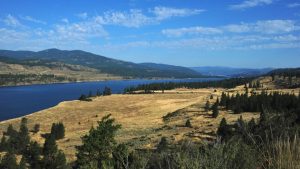
The environmental damage caused by Avista had long-term effects on native vegetation and wildlife. Key consequences included:
- Loss of Biodiversity: The removal of trees and shrubs disrupted local ecosystems.
- Wildlife Migration: Animals dependent on these habitats were forced to relocate.
- Increased Erosion Risks: Soil degradation led to increased vulnerability to landslides and water erosion.
- Slow Ecological Recovery: Restoration efforts require years of rehabilitation to regain lost biodiversity.
This highlights the need for strict corporate regulations to prevent future ecological damage in national parks and protected environments.
Disturbance of Archaeological Features and Artifacts
One of the most serious consequences of Avista’s unauthorized activities was the disturbance of archaeological features and artifacts within the protected area. These sites hold historical and cultural significance, often linked to Native American heritage. By conducting construction without permission, Avista inadvertently damaged irreplaceable cultural landmarks.
Key archaeological damages include:
- Destruction of ancient artifacts due to soil disruption.
- Disturbance of historical landforms that held cultural importance.
- Loss of valuable data that could have helped in research and preservation efforts.
The National Park Service relies on strict federal laws to protect such areas from unauthorized activities. Avista’s actions not only affected the natural ecosystem but also violated policies meant to safeguard historical heritage. The cultural and historical loss caused by this damage highlights the need for better corporate awareness and legal enforcement in protected areas.
National Park Service’s Response to the Damage
The National Park Service (NPS) responded swiftly once the unauthorized activities were discovered. The agency conducted an extensive investigation to assess the damage and determine appropriate legal actions. The primary concerns of the NPS were the environmental harm, archaeological destruction, and non-compliance with park regulations.
Key actions taken by the NPS included:
- Conducting a detailed environmental impact assessment.
- Collaborating with law enforcement to determine the extent of Avista’s violations.
- Filing legal claims to ensure accountability.
- Implementing restoration measures for the damaged site.
The NPS’s strong response emphasizes the importance of law enforcement in conservation. Without such actions, corporations might engage in similar environmentally damaging practices, undermining the purpose of protected national parks.
Importance of Environmental Compliance in Protected Areas
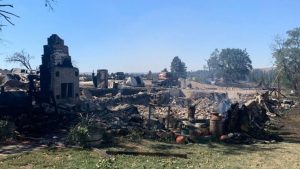
The Avista National Park Damage Fine serves as a critical lesson in environmental compliance. Protected areas like national parks and recreation zones exist to conserve wildlife, vegetation, and cultural sites. Any unauthorized construction, land modification, or resource exploitation can lead to irreversible damage.
Why is environmental compliance important?
| Factor | Impact on Protected Areas |
| Biodiversity Protection | Prevents destruction of plant and animal life |
| Cultural Heritage Preservation | Safeguards archaeological and historical sites |
| Sustainable Development | Ensures economic growth does not harm nature |
| Legal Accountability | Prevents corporations from damaging public lands |
The strict enforcement of environmental policies ensures that businesses and individuals respect nature. Avista’s case highlights why corporations must follow proper permit procedures before undertaking projects in protected zones.
Lessons Learned from the Avista Incident
This incident underscores several key lessons for corporations, conservationists, and policymakers. Understanding these lessons can help prevent similar cases in the future and strengthen environmental protection laws.
Key Lessons:
- Proper Permits Are Essential – Companies must obtain all legal permissions before conducting any construction or modification in protected areas.
- Environmental Responsibility Matters – Damage to natural and historical resources can have long-term effects on biodiversity.
- Strict Monitoring is Necessary – Government agencies must enforce stricter monitoring policies to prevent unauthorized activities.
- Restoration Efforts Should Follow – Companies held responsible for environmental harm should be required to restore damaged areas.
By learning from this case, authorities and corporations can work towards a more sustainable approach to development while ensuring conservation remains a priority.
Reactions from Conservation Groups and Authorities
The Avista National Park Damage Fine drew strong reactions from conservation organizations, government agencies, and the public. Many groups condemned Avista’s lack of responsibility and called for harsher penalties for similar offenses in the future.
Notable Reactions:
- Environmental activists stressed the importance of corporate responsibility in conservation.
- Federal agencies reinforced their commitment to protecting national parks.
- Legal experts debated whether the $900,000 fine was sufficient for the damage caused.
- Local Native American tribes expressed concerns about the destruction of culturally significant sites.
The incident has sparked renewed discussions on how to strengthen environmental protection laws and hold corporations more accountable.

Frequently Asked Questions About the Avista Damage Fine
What was the total fine imposed on Avista Corporation?
Avista was fined $900,000 for its unauthorized activities in Lake Roosevelt National Recreation Area.
What kind of damage did Avista cause?
Avista’s activities led to environmental destruction, disturbance of archaeological sites, and loss of native vegetation.
Why was Avista fined for these activities?
Avista did not obtain the necessary permits before conducting land modifications and construction in a protected area.
What actions did the National Park Service take?
The NPS investigated the damage, filed legal claims, and enforced the settlement agreement.
How will this fine impact future corporate actions in national parks?
The case sets a strong precedent, ensuring that companies follow proper regulations before working in protected areas.
Conclusion of Avista National Park Damage Fine
The Avista National Park Damage Fine serves as a powerful reminder of the importance of environmental compliance and legal accountability. By conducting unauthorized activities, Avista disrupted native ecosystems, archaeological sites, and protected lands. The $900,000 fine emphasizes the role of government agencies in enforcing strict regulations to prevent such violations in the future.
Moving forward, companies must ensure they obtain the necessary permits, conduct proper environmental assessments, and respect conservation laws. The incident at Lake Roosevelt National Recreation Area highlights the importance of protecting national parks, ensuring that future generations can enjoy these natural and cultural treasures without the risk of destruction.
