

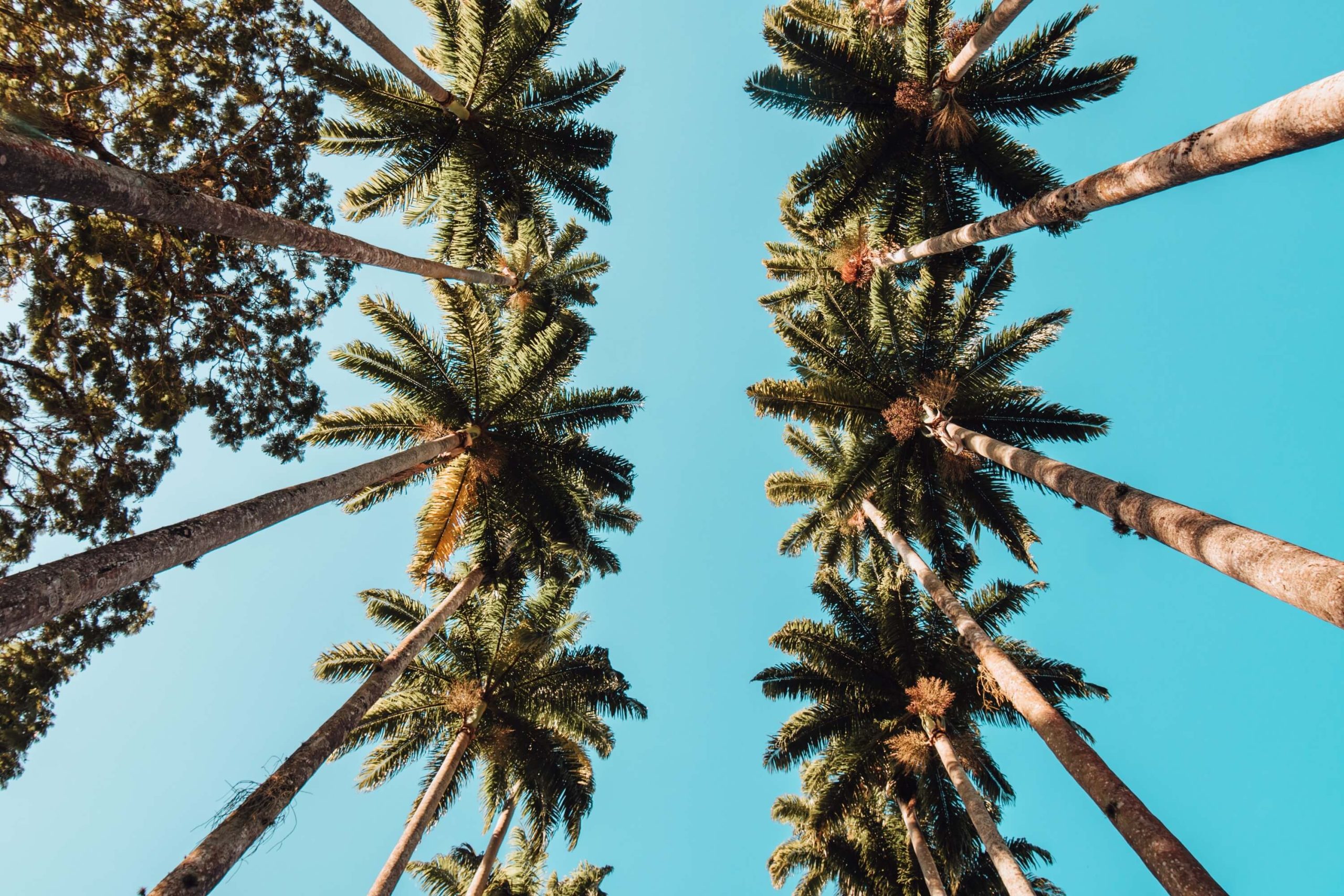
Palm trees are synonymous with Florida’s tropical landscapes, swaying in the breeze along beaches, highways, and backyards. Their iconic silhouette evokes images of sun-soaked vacations and coastal charm, but a common question arises: are palm trees native to Florida? Whether you’re a Florida resident, a botanist, or simply curious about the state’s flora, this article provides a detailed, engaging exploration of Florida’s palm tree heritage.
Florida’s warm climate and diverse ecosystems make it a haven for palm trees, but not all palms you see are native. Some have been part of the state’s natural landscape for millennia, while others were introduced by humans, shaping Florida’s iconic scenery. This guide aims to clarify misconceptions, highlight the ecological importance of native palms, and offer practical insights for enthusiasts and gardeners.
Understanding Palm Trees in Florida’s Ecosystems
Palm trees belong to the Arecaceae family, a group of plants known for their feather-like or fan-shaped fronds and single, unbranched trunks. Florida’s subtropical and tropical climate, with mild winters and ample rainfall, creates ideal conditions for palms. The state’s ecosystems—ranging from coastal dunes to inland hammocks and wetlands—support a variety of Florida palm species, some of which are deeply rooted in its natural history.
To answer the question, are palm trees native to Florida, we must distinguish between native and non-native species. Native palms are those that evolved in Florida’s ecosystems before human intervention, adapted to local soils, climate, and wildlife. Non-native palms, introduced by settlers, landscapers, or horticulturists, thrive in Florida but originate elsewhere. Both types contribute to the state’s aesthetic, but native palm trees in Florida play a critical ecological role, supporting local wildlife and maintaining biodiversity.
Native Palm Trees in Florida
Florida is home to several native palm trees in Florida, each adapted to specific habitats. According to botanical records, 12 palm species are considered native to the state, though some sources cite up to 15 depending on classification. These natural palms of Florida have thrived for thousands of years, shaped by the state’s geology and climate. Below is an overview of the most prominent Florida palm species:
-
Sabal Palm (Sabal palmetto): Also known as the cabbage palm, the sabal palm is Florida’s state tree and one of the most widespread native palm trees in Florida. It grows in diverse habitats, from coastal plains to upland forests, reaching heights of 30-50 feet. Its fan-shaped leaves and sturdy trunk make it a symbol of resilience, and it provides food and shelter for birds, bats, and insects.
-
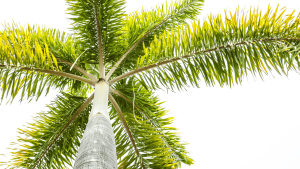
Royal Palm (Roystonea regia): Native to South Florida, the royal palm is a majestic species found in wetlands and hammocks. It can grow up to 70 feet, with a smooth, gray trunk and feather-like fronds. Royal palms are a staple of Florida native plants and palms, often seen in Everglades National Park.
-
Saw Palmetto (Serenoa repens): This low-growing palm, common in pine flatwoods and coastal dunes, has fan-shaped leaves and a sprawling trunk that often lies along the ground. Saw palmettos are vital for wildlife, providing berries for bears and nesting sites for small animals.
-
Paurotis Palm (Acoelorrhaphe wrightii): Found in the Everglades and other wetland areas, this clumping palm grows in dense thickets. Its slender trunks and fan-shaped leaves make it a unique addition to natural palms of Florida.
-
Needle Palm (Rhapidophyllum hystrix): One of the hardiest Florida palm species, the needle palm thrives in North Florida’s cooler climates. It has a short trunk and sharp, needle-like spines, offering habitat for small mammals.
-
Scrub Palmetto (Sabal etonia): Endemic to Central Florida’s sandy scrub habitats, this palm is smaller than the sabal palm and adapted to dry, nutrient-poor soils. It’s a rare example of a highly specialized native palm tree in Florida.
-
Thatch Palms (Thrinax and Coccothrinax species): Several thatch palm species, such as the Florida thatch palm (Thrinax radiata) and silver palm (Coccothrinax argentata), are native to South Florida and the Florida Keys. These slow-growing palms thrive in coastal areas and limestone soils.
-
Dwarf Palmetto (Sabal minor): Common in North Florida’s wetlands, this palm lacks a prominent trunk and grows as a shrub-like plant. It’s well-suited to shady, moist environments.
These species represent the core of how many palm trees are native to Florida—approximately 12, though taxonomic debates may adjust this number. Each plays a unique role in Florida’s ecosystems, from stabilizing soils to supporting pollinators like bees and butterflies.
Non-Native Palm Trees in Florida

While native palm trees in Florida are ecologically significant, non-native palm trees in Florida dominate the state’s landscapes due to their ornamental appeal and adaptability. Introduced by European settlers, developers, and horticulturists, these palms have become integral to Florida’s identity. Below are some of the most common non-native palm trees in Florida:
-
Coconut Palm (Cocos nucifera): Perhaps the most iconic palm, the coconut palm is native to tropical regions like Southeast Asia and the Pacific. Planted extensively along Florida’s coasts, it’s a symbol of beach life but not a natural palm of Florida. Its susceptibility to cold limits its range to South Florida.
-
Queen Palm (Syagrus romanzoffiana): Native to South America, the queen palm is a popular landscaping choice due to its graceful fronds and fast growth. It’s widely planted in urban areas but requires maintenance to thrive.
-
Date Palm (Phoenix dactylifera): Originating from the Middle East, date palms are grown for ornamental purposes and occasional fruit production. They’re less common but visible in upscale landscapes.
-
Canary Island Date Palm (Phoenix canariensis): This massive palm, native to the Canary Islands, is prized for its thick trunk and lush fronds. It’s a staple in resorts and public spaces but not among Florida native plants and palms.
-
Washingtonia Palm (Washingtonia robusta): Native to Mexico and the southwestern U.S., this tall, slender palm is common in Central and South Florida. Its fan-shaped leaves and rapid growth make it a favorite for avenues and parks.
-
Bismarck Palm (Bismarckia nobilis): From Madagascar, this striking palm with silver-blue fronds is increasingly popular in Florida’s landscapes. It’s not cold-hardy, restricting it to warmer regions.
These non-native palm trees in Florida thrive due to the state’s climate but can sometimes outcompete native species or require intensive care. For example, coconut palms are vulnerable to lethal yellowing, a disease that has decimated populations, while queen palms need regular fertilization to avoid nutrient deficiencies.
Ecological and Cultural Significance of Palms in Florida
Florida native plants and palms, including native palm trees, are vital to the state’s ecosystems. Sabal palms and saw palmettos provide food for wildlife, such as raccoons, deer, and gopher tortoises, while their fronds offer nesting material for birds. In wetlands, paurotis palms stabilize soil and filter water, contributing to the Everglades’ health. Native palms also support pollinators, with saw palmetto flowers attracting bees that produce a unique honey.
Culturally, palms are woven into Florida’s identity. The sabal palm, designated as the state tree in 1953, symbolizes resilience and versatility. Native Americans used its fronds for roofing and its heart for food, while early settlers crafted brooms and baskets from its leaves. Today, native palm trees in Florida are celebrated in state parks, botanical gardens, and conservation programs.
Non-native palm trees in Florida, while less ecologically beneficial, drive tourism and real estate. Coconut palms line Miami’s beaches, creating postcard-perfect scenes, while queen palms enhance suburban curb appeal. However, their introduction has raised concerns about invasive potential and maintenance costs, prompting some experts to advocate for planting natural palms of Florida instead.
Types of Palms in Florida: A Comprehensive Overview
The types of palms in Florida include both native and non-native species, each with distinct characteristics. Below is a detailed breakdown to help you identify and appreciate Florida’s palm diversity:
-
Fan Palms: These palms have fan-shaped leaves, like the sabal palm, saw palmetto, and Washingtonia palm. They’re hardy and suited to Florida’s windy coastal areas.
-
Feather Palms: Characterized by feather-like fronds, feather palms include the royal palm, coconut palm, and queen palm. They’re elegant but often less cold-tolerant.
-
Clumping Palms: Species like the paurotis palm grow multiple trunks from a single base, creating dense thickets ideal for wildlife habitats.
-
Shrub-like Palms: Dwarf palmettos and needle palms lack tall trunks, growing as low shrubs in shaded or cooler areas.
When choosing palms for landscaping, consider climate, soil, and maintenance needs. For example, native palm trees in Florida like sabal palms are low-maintenance and cold-hardy, while non-native palm trees in Florida like coconut palms require warm temperatures and disease management. Consulting a local nursery or extension service can help you select the right Florida palm species for your property.
Practical Tips for Identifying and Growing Palms in Florida
For enthusiasts looking to identify or cultivate palms, here are some practical tips:
-
Identification: Use leaf shape (fan vs. feather), trunk texture, and habitat to identify palms. For example, sabal palms have rough, fibrous trunks, while royal palms are smooth and gray. Field guides or apps like iNaturalist can assist.
-
Planting Native Palms: Choose native palm trees in Florida like sabal or saw palmetto for sustainable landscaping. They require less water and fertilizer and support local wildlife.
-
Caring for Non-Native Palms: Non-native palm trees in Florida like queen palms need regular pruning and micronutrient supplements to prevent deficiencies. Monitor for pests like palm weevils.
-
Conservation: Support efforts to preserve Florida native plants and palms by avoiding invasive species and participating in restoration projects, such as those in the Everglades.
-
Cold Protection: In North Florida, protect sensitive palms like coconut or royal palms during rare freezes by wrapping trunks or covering fronds.
FAQs About Are Palm Trees Native to Florida
Are palm trees native to Florida?
Yes, palm trees are native to Florida, with approximately 12 species, including the sabal palm and royal palm, naturally occurring in the state’s ecosystems.
How many palm trees are native to Florida?
There are about 12 native palm trees in Florida, though some sources cite up to 15 depending on taxonomic classification.
What are the most common native palm trees in Florida?
The sabal palm, royal palm, saw palmetto, and paurotis palm are among the most common natural palms of Florida, found in diverse habitats.
What are some non-native palm trees in Florida?
Coconut palms, queen palms, and Canary Island date palms are popular non-native palm trees in Florida, introduced for ornamental purposes.
How do native palms benefit Florida’s ecosystems?
Florida native plants and palms like sabal palms support wildlife, stabilize soils, and promote biodiversity, unlike some non-native palm trees in Florida.
Can I grow native palms in my Florida yard?
Yes, native palm trees in Florida like sabal palms and saw palmettos are ideal for landscaping due to their low maintenance and ecological benefits.
What are the different types of palms in Florida?
The types of palms in Florida include fan palms (sabal palm), feather palms (royal palm), clumping palms (paurotis palm), and shrub-like palms (dwarf palmetto).
Conclusion on Are Palm Trees Native to Florida
The question are palm trees native to Florida reveals a fascinating blend of natural history and human influence. Florida is home to approximately 12 native palm trees in Florida, including the iconic sabal palm, royal palm, and saw palmetto, which are integral to the state’s ecosystems and cultural heritage. These natural palms of Florida support wildlife, stabilize environments, and thrive in the state’s diverse habitats. Meanwhile, non-native palm trees in Florida, like coconut and queen palms, enhance the state’s tropical aesthetic but require more care and can pose ecological challenges.
Understanding the types of palms in Florida, from fan to feather palms, empowers residents and visitors to appreciate and protect the state’s flora. By choosing Florida native plants and palms for landscaping and supporting conservation efforts, we can preserve the ecological balance that makes Florida unique. Whether you’re admiring a sabal palm in a state park or a coconut palm on a beach, Florida’s palms tell a story of resilience, beauty, and adaptation that continues to shape the Sunshine State’s identity.
