

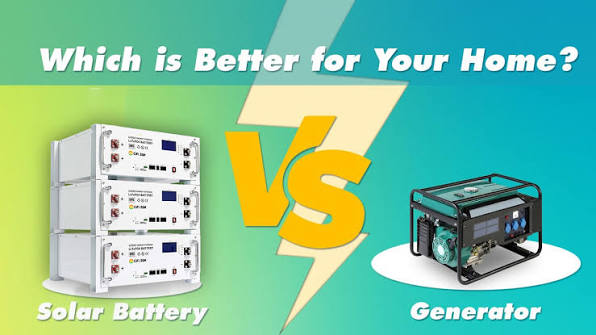
While grid-tied solar power systems do not require backup power to operate, many homeowners still choose to add it to improve energy independence and maintain power during outages. Two of the most common backup options are generators and battery banks. Understanding the pros and cons of each can help determine which solution is the better fit for your energy needs, budget, and backup goals.
Advantages of Generators
Generators have been used as a backup power source for a long time. They can provide large amounts of electricity on demand and have a proven track record of getting the job done. As long as you have the right fuel source available, the generator can keep running for long periods of time.
They have a much lower upfront cost than battery banks, and they’re great at powering heavy loads like well pumps, HVAC systems, electric water heaters, and pieces of machinery. They’re also very scalable. If your energy demands increase, you can simply run the generator longer or upgrade to a larger model.
Disadvantages of Generators
One of the biggest drawbacks of generators is the ongoing need for fuel. Gasoline, diesel, propane, and natural gas all come with continuing operating costs that can add up over time. Generators also require routine maintenance, including oil changes, filter replacements, and tune-ups. They produce noise and emissions, which may be a concern in residential settings, and fuel availability during emergencies can also affect how dependable they are when backup power is needed most.
Advantages of Battery Banks
Battery banks store extra solar power generated during the day and make it available whenever you need it. This creates a seamless and quiet backup power solution for your solar power system. Once installed, they can be charged again and again, so you don’t have to worry about fuel costs as you do with generators.
Battery banks are also silent and produce no emissions when you’re using them, so you can store them inside your home without concerns. Most modern batteries require very little maintenance and can give you years of dependable energy storage without you having to do more than occasionally clean them off.
Disadvantages of Battery Banks
The biggest disadvantage of battery banks is their upfront cost. A large battery bank that can power a home during an outage represents a big investment, sometimes as much as your solar power system itself. Battery capacity is also limited. If you have a long period of cloudy weather, they can be drained if there’s not enough solar production to recharge them.
What’s Best for You?
Many solar users find that SimpliPhi backup batteries are a great sustainable and reliable backup power source for a solar power system. They integrate seamlessly with your array and inverter, and don’t have ongoing maintenance costs. If you’re looking for backup power for your solar system, battery backup is often the stronger long-term solution.
