

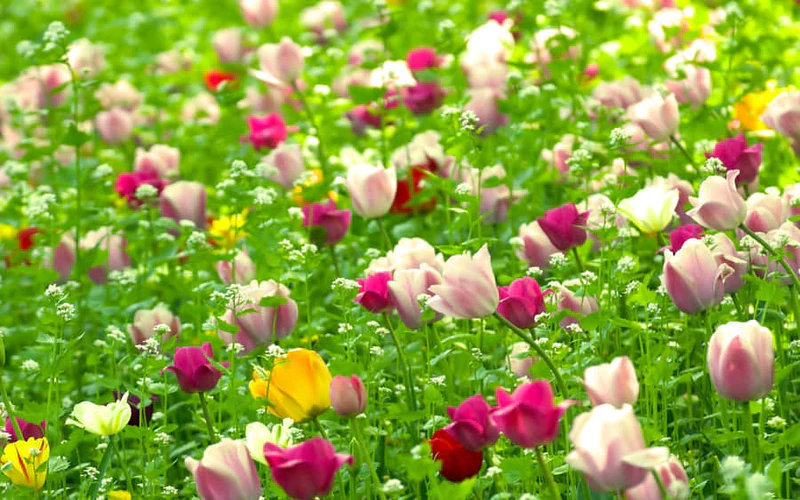
Nature is a vast and breathtaking creation that surrounds us with life, color, and harmony. From towering mountains to flowing rivers, every part of nature plays a vital role in maintaining balance on Earth. Among its most beautiful creations are flowers—delicate, vibrant, and full of meaning. They not only enhance the beauty of the environment but also contribute significantly to the survival of ecosystems.
The Importance of Nature in Our Lives
Nature provides everything we need to survive—fresh air, water, food, and shelter. It is the foundation of all living beings. Trees produce oxygen, rivers supply water, and soil grows the crops we depend on. Beyond physical needs, nature also offers mental peace and emotional well-being.
Connection Between Humans and Nature
Humans have always shared a deep connection with nature. Spending time outdoors reduces stress, improves mood, and boosts creativity. Whether it’s a walk in a garden or sitting under a tree, nature has a calming effect that modern life often lacks.
Nature as a Source of Inspiration
Artists, writers, and thinkers have long drawn inspiration from nature. Its beauty, patterns, and cycles influence creativity and innovation. The changing seasons, the blooming of flowers, and the rhythm of life remind us of growth and renewal.
The Role of Flowers in Nature
Flowers are one of nature’s most fascinating creations. They come in countless shapes, sizes, and colors, each serving a unique purpose in the ecosystem.
Pollination and Ecosystem Balance
Flowers play a crucial role in pollination. Bees, butterflies, birds, and other pollinators visit flowers to collect nectar. In the process, they transfer pollen from one flower to another, enabling plants to reproduce. This natural process is essential for food production and biodiversity.
Symbolism and Cultural Significance
Flowers have deep meanings across different cultures. Roses often symbolize love, while lotus flowers represent purity and spiritual growth. They are used in celebrations, rituals, and expressions of emotions, making them an important part of human life.
Healing and Medicinal Uses
Many flowers have medicinal properties. They are used in traditional and modern medicine to treat various health conditions. From calming teas to essential oils, flowers contribute to health and wellness in many ways.
The Beauty and Diversity of Flowers
The diversity of flowers is truly remarkable. From simple wildflowers growing in fields to exotic blooms found in tropical forests, each flower has its own charm.
Colors and Fragrances
Flowers display a wide range of colors and fragrances that attract pollinators and delight humans. Bright colors like red, yellow, and purple make gardens lively, while their natural scents create a soothing atmosphere.
Seasonal Blooms
Different flowers bloom in different seasons, adding variety to nature throughout the year. Spring is especially known for its vibrant blossoms, symbolizing new beginnings and hope.
Protecting Nature and Flowers
Despite their beauty and importance, nature and flowers face threats from pollution, deforestation, and climate change. Protecting them is essential for the future of our planet.
Simple Ways to Help
- Plant flowers and trees in your surroundings
- Avoid using harmful chemicals
- Support eco-friendly practices
- Conserve water and natural resources
Every small step can make a big difference in preserving nature’s beauty.
Conclusion
Nature and flowers are essential parts of our world, offering beauty, balance, and life. They remind us of the importance of harmony and sustainability. By appreciating and protecting nature, we ensure that future generations can also enjoy its wonders.
In recent years, natural plant products have also gained attention for their various uses and benefits, including the growing interest in hemp flower.
