

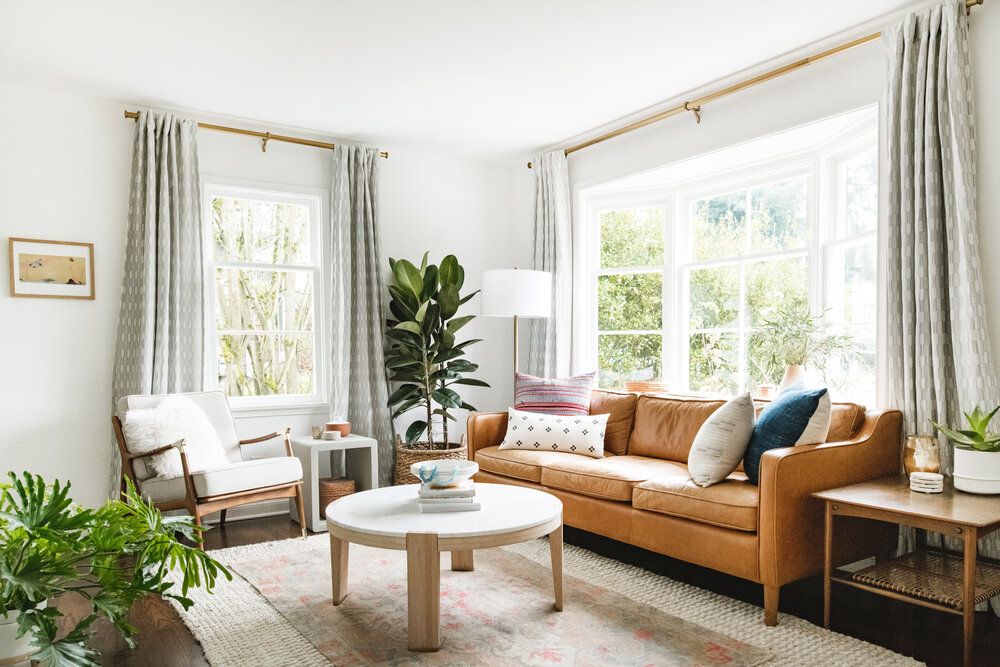
Whether you’re sprucing up an old chair or giving a tired dresser a new lease on life, DIY furniture makeovers are a fun and affordable way to transform your space. With the right tools, materials, and a bit of creativity, you can update your home without breaking the bank. Best of all, you get to customize each piece to reflect your personal style and preferences. In this article, we’ll explore easy DIY furniture makeover ideas that anyone can tackle, regardless of experience level.
From simple paint jobs to creative reupholstering, these projects will inspire you to breathe new life into your existing furniture.
1. Prepping for a Furniture Makeover
Before diving into any DIY project, proper preparation is key. Preparing your furniture will ensure that the finished product looks polished and professional, while also helping the makeover last longer.
Key Tips:
- Clean the Piece Thoroughly: Use a mild cleaner or a mixture of soap and water to remove dirt, grime, and any residue from previous treatments like wax or polish. This ensures a clean surface for paint or stain to adhere to.
- Sanding: If you’re planning to paint or stain, lightly sand the furniture first. This step helps to remove any imperfections and creates a rough surface for the paint or stain to grip.
- Fixing Damage: Inspect the furniture for cracks, loose joints, or other damage. Use wood filler for minor cracks and glue to secure loose joints. Let everything dry completely before continuing.
- Priming: If you’re working with a dark or stained piece of furniture, applying a primer can help cover any existing color and provide a better base for your paint.
Practical Example:
When refinishing an old wooden dresser, start by removing any existing hardware, then sand the entire piece with fine-grit sandpaper. Wipe it down with a damp cloth to remove dust, and apply a coat of primer if you plan to use a lighter paint color.
2. Painting and Refinishing
One of the easiest ways to transform a piece of furniture is with a fresh coat of paint or stain. Changing the color can completely alter the look and feel of the piece, making it a standout in your room.
Key Tips:
- Chalk Paint: This type of paint is ideal for beginners because it requires minimal prep work (no need for sanding or priming). It gives furniture a matte, vintage-inspired finish and is available in a wide range of colors.
- Two-Tone Finishes: For a modern look, consider using two complementary colors on the same piece of furniture. You might paint the base of a table one color and the top a contrasting shade.
- Distressing: If you love the shabby chic look, try distressing your furniture after painting. Once the paint has dried, gently sand the edges and corners to reveal the wood underneath, giving the piece an antique, weathered appearance.
- Staining: If you want to retain the natural wood look, staining is a great option. Stain enhances the grain of the wood and adds depth to the piece. Just remember to apply a clear coat to protect the finish.
Practical Example:
An outdated dining room table can get a trendy facelift by painting the legs a sleek black and staining the tabletop in a rich walnut hue. This two-tone approach adds contrast and sophistication to the piece, making it look brand new.
3. Reupholstering
If you’re tired of the fabric on your chairs, benches, or ottomans, reupholstering is a relatively simple way to refresh them. Reupholstering can completely change the vibe of a piece, especially when you select bold patterns or luxurious fabrics.
Key Tips:
- Choose the Right Fabric: Consider the room and usage when selecting fabric. If it’s a high-traffic area, opt for durable, stain-resistant fabrics like microfiber or canvas. For a more luxurious look, velvet or linen can make a statement.
- Remove the Old Fabric Carefully: Use a staple remover to take off the old fabric, making sure not to damage the foam underneath if it’s still in good condition.
- Add Foam or Padding: If the seat or cushion feels a little flat, now is a good time to add new foam or batting for extra comfort.
- Staple the New Fabric Tightly: Once you’ve cut the new fabric to size, pull it tight and staple it securely to the frame. Trim off any excess material for a neat finish.
Practical Example:
A dated dining chair can be transformed by reupholstering it with a bold floral fabric. This adds a pop of color and pattern to your dining room while giving the chair a fresh, modern appeal.
4. Swapping Out Hardware
Sometimes, the simplest updates can make the biggest difference. Replacing outdated knobs, pulls, or handles can drastically change the look of a piece of furniture, giving it a more modern, vintage, or eclectic feel depending on the hardware you choose.
Key Tips:
- Coordinate with Other Elements: Match the hardware to other elements in the room, like lighting fixtures or faucets, to create a cohesive look.
- Choose Contrasting Hardware: For a bold look, choose hardware that contrasts with the color of the furniture. Brass or gold hardware looks stunning against dark-painted furniture, while black hardware adds an industrial touch to lighter pieces.
- Install Hardware Correctly: Be sure to measure the distance between screw holes to ensure the new hardware fits. If the new hardware requires different hole placements, fill the old ones with wood filler before drilling new holes.
Practical Example:
A plain white dresser can be given a chic, modern update by swapping out the basic knobs for sleek, brushed gold handles. The new hardware adds a touch of glamour and sophistication to the piece.
5. Decoupage and Stenciling
For those who love creative, personalized projects, decoupage and stenciling are excellent techniques for adding unique designs and patterns to furniture. Decoupage involves applying decorative paper or fabric to furniture surfaces using glue, while stenciling allows you to paint intricate patterns onto your piece.
Key Tips:
- Choose High-Quality Stencils: If you opt for stenciling, select durable, reusable stencils to get a clean, professional look.
- Use Mod Podge for Decoupage: Mod Podge is a versatile glue-sealer that works great for decoupage projects. Apply a layer of Mod Podge, press the paper or fabric onto the furniture, and then seal with additional coats.
- Don’t Overdo It: While decoupage and stenciling can add character to furniture, less is often more. Focus on smaller areas like drawer fronts, tabletops, or the sides of a piece to avoid overwhelming the design.
Practical Example:
You can transform a basic wooden coffee table by stenciling an intricate geometric pattern on the top using a contrasting color. This creates a custom look that feels one-of-a-kind.
6. Researching Before You Buy
When considering a DIY furniture makeover, it’s important to start with a piece that’s worth the effort. Make sure to research different brands and read reviews to get an idea of quality and durability. Checking out Coleman Furniture reviews, for instance, can give you valuable insights into how their products hold up over time and whether they’re worth the investment for a DIY transformation.
Conclusion
DIY furniture makeovers are an accessible and rewarding way to breathe new life into old or outdated pieces. Whether you’re adding a fresh coat of paint, reupholstering a chair, or simply swapping out hardware, these simple projects can completely transform your space. By following these tips and incorporating your personal style, you can create unique, customized furniture that enhances your home without breaking the bank. So gather your tools, get inspired, and start your next DIY project today!
