

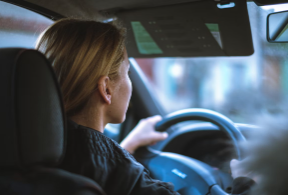
Learning to drive is a rite of passage for millions of Americans every year. It is an important milestone when teenagers start to get their first taste of independence. Though simple, it is still a bittersweet moment for parents who realize how fast their kids have grown up.
That said, it’s important that we don’t forget that learning to drive is a serious matter. Cars weigh thousands of pounds, and when you combine their weight with speed, they can turn into deadly machines.
St. Louis is a busy city that gets a lot of traffic. When you consider that 40% of all crashes here end up in hit-and-runs, it’s clear that teaching safety in driving is critical. In this article, we will explore three key strategies for parents and teens during the learning process and beyond.
1. Don’t Skip Over the Basics
It’s natural for your teen to be excited about learning to drive. They may want to get right into it and place their hands on the steering wheel. As tempting as it may be to go with the flow, you want to take things slow. Ensure that you stress the basics thoroughly with them.
The last thing you want is for your child to get into an accident on busy St. Louis streets. If they do, it can quickly turn into a messy situation. This is why a part of teaching your teen to drive responsibly is also educating them on the steps to take in worst-case situations.
As Tor Hoerman Law states, if you get into a crash, do not drive away or start discussing who was at fault with the other person or even with the police.
If things escalate, it’s probably a good idea to start looking for a good St. Louis car accident attorney. Of course, the key focus would be to avoid any of this from happening, but it’s better to be prepared for any eventuality.
2. Pick the Right Time and Place
Most people learn to drive with the help of parents or family members before taking a formal test. Sure, you can contact a driving instructor, but it can be a fun experience to learn how to drive at home first.
If you are a parent, the first thing you want to do is ensure you give your child a safe and legal environment to practice in. This implies picking a quiet, spacious location. Most states, including Missouri, will only allow you to drive on private property if you don’t have a license yet. This is why you can often see kids on farms driving around without any problems.
It’s not enough to pick a private area, though; you also want to pick a time with adequate lighting and good visibility. A big part of driving is situational awareness, and you want to be able to explain and demonstrate aspects like blind spots clearly.
Choosing a well-lit space is also important because first-time drivers need all the help they can get with judging distance and speed. As you might imagine, this is particularly important when it comes to braking.
3. Emphasize That Weather Changes Warrant Different Driving Styles
St. Louis experiences a variety of climates, and while summers don’t pose much of a challenge, winters are a different story. With rain and snowfall, new drivers need to be prepared for how their cars will handle. Everything from braking to making turns requires some experience to nail.
These conditions can be quite dangerous, which is why the Missouri Department of Transportation recommends taking things slow. They stress that you want to adjust your speed to the weather conditions.
Similarly, explain to your teen the importance of switching to snow tires which provide better traction. If that’s not an option, then stress the importance of making sure the tire pressure is set to the recommended level according to the car’s manual. Teenagers tend to forget that these are essential aspects of using a car.
In conclusion, learning to drive is an exciting moment for every teen. However, this excitement mustn’t interfere with the big responsibility of car use. People lose their lives every day in car accidents, and driving a vehicle isn’t something to be taken lightly.
Try to instill a sense of respect for the roads and the dangers they hold long before your teen even gets into the driver’s seat. Being extra cautious can seem tedious, but it just might save their lives one day.
