

Plumbing is a vital component of any Aussie home, responsible for the safe disposal of wastewater. However, many homeowners often overlook the importance of maintaining their plumbing until a problem arises, such as a blocked drain. Blocked drains can be a nuisance, causing slow drainage, foul odours, and even more severe plumbing issues if left untreated. In this article, we’ll explore the common causes of blocked drains and provide valuable tips on how to avoid them. By following these guidelines, you can save yourself from the headache and expense of dealing with blocked pipes.
Understanding Common Causes Of Blocked Drains
Before we delve into prevention, it’s essential to understand the common causes of a clogged drain Newcastle. By recognizing these culprits, you can take proactive measures to minimize the risk of blockages. Here are a few of the most common reasons why drains become clogged:
- Hair: Hair is one of the leading causes of clogs in bathroom drains. When hair accumulates in the drain, it can trap soap scum and other debris, gradually forming a stubborn blockage.
- Food Particles: In the kitchen, food scraps, grease, and oil can easily find their way into the drain. Over time, these substances can accumulate and create blockages in your kitchen sink.
- Soap Scum: Soap residue can build up in bathroom sinks and showers, creating a sticky film that attracts debris and causes clogs.
- Foreign Objects: Kids often introduce small toys, jewellery, or other objects into bathroom drains, leading to clogs.
- Toilet Paper And Hygiene Products: Flushing excessive toilet paper or non-flushable items can result in toilet clogs, causing a major inconvenience.
Tips For Avoiding Blocked Drains
Now that we have identified the common causes of blocked drains, let’s explore some practical tips to help you avoid these plumbing predicaments:
- Use Drain Screens: Install drain screens in bathroom and kitchen sinks to catch hair, food particles, and other debris before they can enter the drain.
- Dispose Of Cooking Grease Properly: Instead of pouring cooking oil and grease down the sink, collect them in a container and dispose of them in the bin when they cool and solidify.
- Regularly Clean Drains: Perform routine drain cleaning by pouring boiling water down the drain to melt away soap scum and other residues. You can also use a mixture of bicarbonate soda and vinegar to break down debris.
- Don’t Overload Toilets: Avoid flushing excessive amounts of toilet paper or items that are not designed to be flushed, such as hygiene products and wipes.
- Install A Garbage Disposal: If you have a kitchen sink, consider installing a garbage disposal unit. These devices can help break down food particles and prevent them from causing clogs.
Choosing The Right Products
When it comes to preventing clogs, the products you use can make a significant difference. Here are some product-related tips to keep in mind:
- Use Biodegradable Soaps: Opt for biodegradable soaps and detergents, which produce less soap scum and are more environmentally friendly.
- Avoid Harsh Chemical Drain Cleaners: Harsh chemical drain cleaners can corrode pipes and harm the environment. Instead, choose enzymatic or bacterial drain cleaners that break down organic matter safely.
- Consider Drain Maintenance Products: There are various drain maintenance products available that can help keep your drains clear. These include enzyme-based cleaners and drain maintenance sticks that gradually dissolve buildup.
DIY Methods For Preventing Clogs
Taking a proactive approach to drain maintenance can save you time and money. Here are some do-it-yourself methods for preventing clogs:
- Regularly Flush With Hot Water: Pouring boiling water down your drains once a week can help dissolve soap scum and flush away minor blockages.
- Use Bicarbonate Of Soda And Vinegar: A mixture of bicarbonate of soda and vinegar can be a powerful, eco-friendly cleaner for breaking down organic buildup in your drains. Pour a cup of bicarbonate of soda followed by a cup of vinegar and then flush with hot water.
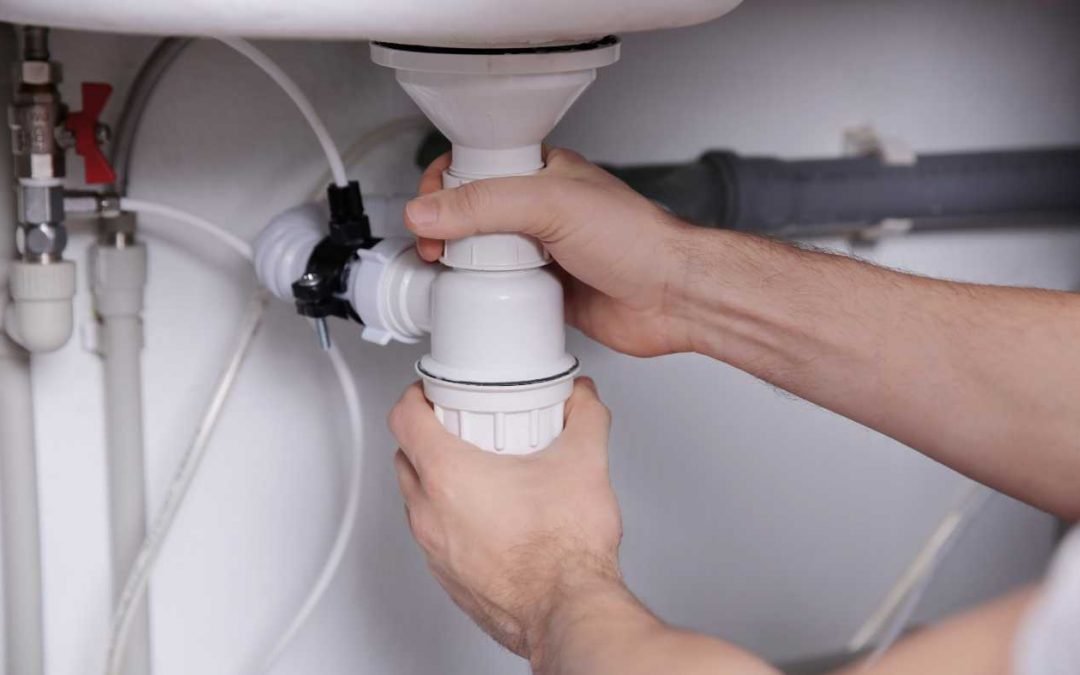
- Clean P-Traps: Underneath your sink, you’ll find P-traps, which can trap debris. Periodically remove and clean them to prevent clogs from forming.
Educating Household Members
Blocked drains are often the result of negligence or lack of awareness. It’s essential to educate all household members about the importance of proper drain maintenance. Encourage them to follow the tips mentioned above, and make sure everyone understands the potential consequences of not doing so. By working together as a team, you can significantly reduce the likelihood of blocked drains in your home.
Signs Of A Potential Blockage
Recognizing the early signs of a potential blockage is crucial in preventing more extensive plumbing problems. Watch out for these cautionary indicators:
- Slow Drainage: If water is draining slowly from your sinks or showers, it may be a sign of a developing blockage.
- Unpleasant Odours: Foul odours coming from your drains are often a result of trapped debris and should not be ignored.
- Gurgling Noises: Gurgling sounds in your pipes when using the sink or toilet may indicate a blockage or ventilation issue.
- Water Backing Up: If water starts backing up into other drains or fixtures when you use a particular one, it’s a clear sign of a blockage.
Conclusion
Maintaining your plumbing and preventing blocked drains is essential for the overall well-being of your Aussie home. By understanding the common causes of blockages, following our prevention tips, choosing the right products, and educating your household members, you can significantly reduce the likelihood of dealing with blocked drains. Remember that early detection and proactive measures can save you time, money, and the frustration of dealing with plumbing emergencies. Keep your drains clear, and your plumbing will continue to serve you efficiently for years to come.
