

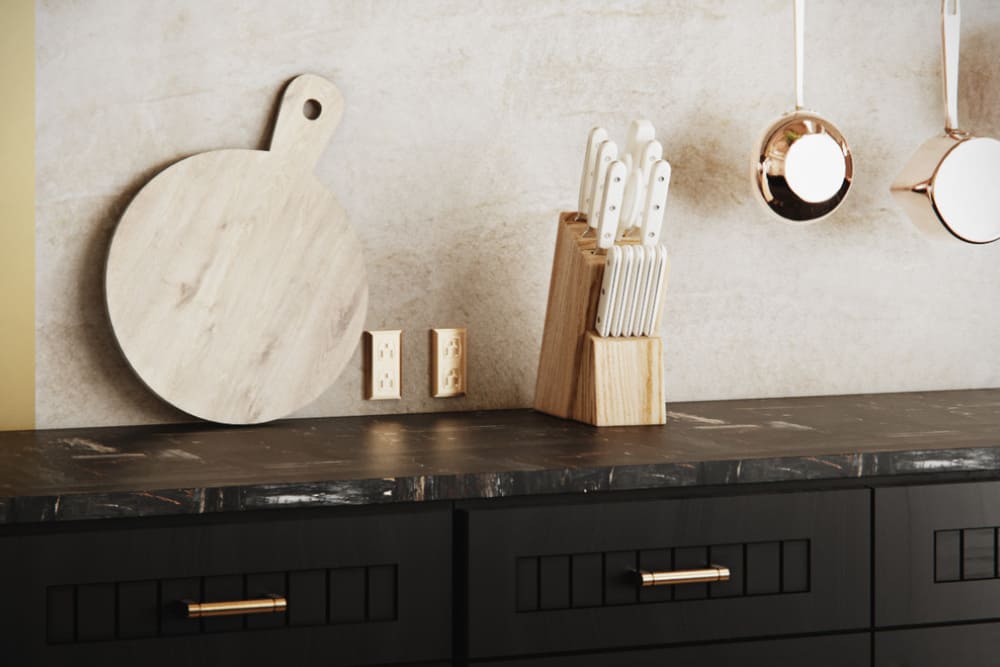
Retail and product marketing are undergoing an evolutionary leap, transforming the way customers interact with and visualize products. At the forefront of this change is the advent of 3D virtual showrooms – a groundbreaking approach that is redefining traditional norms of product display and customer engagement. As we delve into the realm of 3D showrooms, we uncover how they are establishing a new standard in product visualization. For an in-depth exploration and to witness the forefront of this transformation, visit YouSee Studio, where the future of retail visualization is unfolding.
The Technology Behind 3D Showrooms
The foundation of 3D showrooms lies in a blend of advanced technologies, primarily 3D modeling, Virtual Reality (VR), and Augmented Reality (AR). 3D modeling involves creating digital representations of objects, allowing them to be viewed and manipulated in a virtual space. This technology, powered by software like Autodesk 3ds Max and Blender, is pivotal in crafting lifelike and detailed product models.
VR and AR take these 3D models and bring them into an immersive realm. Through devices like the Oculus Rift, VR envelops users in a completely virtual environment, while AR, as seen in apps like IKEA Place, overlays digital images onto the real world. These technologies enhance the showroom experience’s realism and allow for interactive and engaging product explorations.
Creating these virtual environments requires a combination of sophisticated software and creative design. Tools such as Unity and Unreal Engine are used to develop interactive 3D spaces that are visually appealing and user-friendly. These technologies’ skillful use transforms a simple product catalog into an immersive 3D showroom experience.
Advantages of 3D Showrooms Over Traditional Methods
3D showrooms offer several advantages over traditional physical showrooms and standard e-commerce websites. The most significant of these is the ability to overcome physical limitations. Unlike physical showrooms, virtual showrooms are not constrained by space, allowing for an extensive display of products without needing large physical inventories or sprawling show floors.
Customer engagement in 3D showrooms is enhanced through interactive and immersive experiences. Users can virtually interact with products – rotating them, exploring features, and customizing attributes like color or size. This level of interaction is not possible in traditional e-commerce settings and can lead to a deeper connection between the customer and the product.
From a business perspective, 3D showrooms are cost-effective and scalable. Setting up and maintaining a virtual showroom is generally less expensive than a physical counterpart, especially considering the potential global reach of an online platform. Additionally, updating products or showroom design can be done with minimal cost and disruption, allowing for greater flexibility and responsiveness to market trends.
Implementing 3D Showrooms in Different Industries
The versatility of 3D showrooms makes them applicable across various industries, each benefiting in unique ways. For instance, 3D showrooms in the automotive industry allow customers to explore different car models, customize features, and even experience virtual test drives, as seen with brands like Audi and BMW.
The fashion and apparel sector benefits greatly from virtual showrooms. They offer customers the ability to view garments in 3D, try them on virtually, and see how different outfits might look from various angles. This immersive experience is a significant step up from static online product images.
For furniture and home décor, 3D showrooms provide a unique opportunity for customers to visualize how products would fit and look in their homes. IKEA’s AR app is a prime example, allowing users to place virtual furniture in their living spaces to check for fit and style before purchasing.
In real estate and architecture, 3D showrooms and virtual tours enable potential buyers or tenants to explore properties remotely, providing a realistic sense of space and design that photographs or 2D floor plans cannot match.
User Experience and Interactivity in 3D Showrooms
The success of a 3D showroom heavily relies on the user experience it offers. Navigating these virtual spaces should be intuitive and straightforward, allowing customers to easily explore products. Features like zoom, rotate, and interactive hotspots should be seamlessly integrated, enhancing users’ ability to engage with the products.
Interactive features are a cornerstone of 3D showrooms. These can range from simple product animations to more complex functions like customizing product features or engaging in interactive simulations. The key is creating an engaging and memorable experience beyond passive viewing.
Personalization is another aspect that significantly enhances the user experience in a 3D showroom. Through AI and machine learning, showrooms can offer personalized product recommendations and tailor the browsing experience to individual user preferences. This level of personalization makes the shopping experience more enjoyable and leads to increased customer satisfaction and loyalty.
Challenges and Considerations in Developing 3D Showrooms
While the benefits of 3D showrooms are clear, challenges and considerations must be addressed in their development. Technical challenges, such as ensuring high-quality 3D modeling and seamless VR/AR integration, require significant expertise and resources. Additionally, businesses must consider the compatibility of their virtual showrooms across different devices and platforms, ensuring that users have a consistent and accessible experience regardless of how they access the showroom.
User accessibility is a critical factor. The design of the showroom must cater to a broad audience, including those who may not be tech-savvy. Simplifying the user interface and providing clear guidance and support can help make the showroom more accessible.
Overcoming consumer skepticism is another hurdle. For many customers, 3D virtual showrooms are a new and unfamiliar way of shopping. Building trust in the accuracy and realism of the virtual experience is crucial. This can be achieved through high-fidelity visuals, realistic product representations, and customer testimonials or reviews.
The Future of 3D Showrooms and Product Visualization
As we gaze into the future of 3D showrooms, it’s clear that they are more than a fleeting trend; they represent the next significant leap in product visualization. Emerging trends suggest that these virtual environments will become increasingly sophisticated, offering more immersive and interactive experiences.
VR and AR technology advancements are expected to play a pivotal role in this evolution. We can anticipate the development of more intuitive and user-friendly VR interfaces and AR applications that blend seamlessly with the user’s physical environment. These improvements will likely enhance the realism and immersion of 3D showrooms, making them an even more compelling alternative to traditional retail experiences.
Integrating AI and machine learning will also continue to shape the future of 3D showrooms. These technologies could enable even more personalized and responsive user experiences, with AI algorithms curating real-time product selections and showroom layouts based on user behavior and preferences.
In addition, the anticipated impact on consumer behavior and the retail sector is significant. As customers become more accustomed to the convenience and richness of 3D showroom experiences, we may see a shift in shopping habits, with a growing preference for virtual over physical retail environments. This shift could prompt more businesses to invest in 3D showroom technology, leading to broader adoption across various industries.
Preparing for the Future: Strategies for Businesses
Several strategies are key for businesses looking to stay ahead in this evolving landscape. Firstly, embracing and investing in the latest VR and AR technologies will be crucial. Keeping pace with technological advancements will enable businesses to offer the most cutting-edge and engaging showroom experiences.
Incorporating user feedback and data analytics into the design and development process is also vital. By understanding how customers interact with their virtual showrooms, businesses can continuously refine and optimize the user experience, ensuring that it meets evolving consumer expectations.
Furthermore, businesses should consider how 3D showrooms can complement and integrate with their overall marketing and sales strategies. This might involve using 3D showrooms as part of omnichannel retail strategies, integrating them with e-commerce platforms, or leveraging them as a tool for remote sales consultations and customer service.
Finally, educating customers about the benefits and possibilities of 3D showroom experiences is important. Through targeted marketing campaigns and educational content, businesses can help to build awareness and trust in this new form of product visualization, encouraging more consumers to embrace virtual shopping experiences.
Conclusion
3D virtual showrooms are reshaping the landscape of product visualization, offering businesses and consumers a new and exciting way to experience products. By combining advanced technologies like VR, AR, and AI with creative and user-centric design, these virtual environments provide interactivity, personalization, and immersion that traditional retail methods cannot match.
As technology advances and consumer behaviors evolve, 3D showrooms are poised to become a standard feature in many industries, transforming how we think about shopping, product exploration, and customer engagement. The opportunities for businesses willing to embrace this innovation are vast and promising, opening up new frontiers in product visualization and customer experience.
In this rapidly changing digital landscape, 3D virtual showrooms stand as a testament to the power of technology to redefine our experiences and expectations, promising a future where the virtual and real merge to create unparalleled shopping experiences.
