

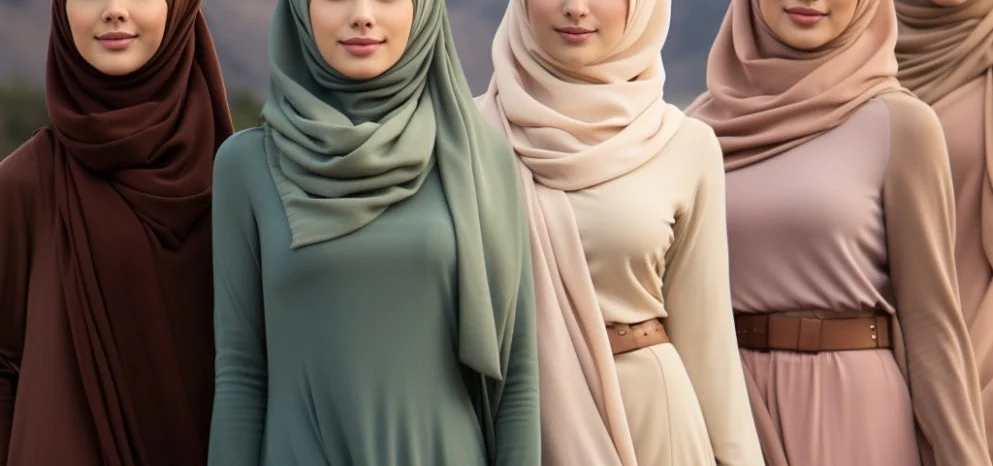
Woven hijabs are cherished for their timeless elegance, but understanding the pricing can be a bit puzzling. In this straightforward guide, we’ll unravel the mysteries behind woven hijab prices, helping you navigate the market with ease and make informed choices about quality and value.
The Basics of Woven Hijabs
Woven hijabs are made through a meticulous process of interlacing threads to create beautiful patterns and textures. The artistry and craftsmanship involved in making these hijabs contribute to their unique appeal. When it comes to pricing, several factors play a role, reflecting the quality of materials and the skill of the artisans.
Material Matters
One of the primary determinants of woven hijab prices is the material used. Different fabrics, such as cotton, silk, or blends, affect the overall cost. Cotton hijabs are often more affordable, offering breathability and comfort for everyday wear. On the other hand, silk hijabs, known for their luxurious feel, may have a higher price tag. Consider your preferences and the occasion when deciding on the material that suits both your style and budget.
Weave Complexity and Patterns
The complexity of the weave and the intricacy of patterns also influence the price of woven hijabs. Simple designs may come with a lower price, while hijabs with more elaborate patterns or unique weaving techniques may cost a bit more. The beauty of woven hijabs lies in their diverse patterns, so explore options that align with your taste and budget.
Brand Recognition
Brands often play a role in the pricing of woven hijabs. Established brands with a reputation for quality may have higher prices compared to lesser-known brands. While brand recognition can be an indicator of consistent quality, it’s essential to explore various options and consider both brand and quality to find the best value for your money.
Size and Dimensions
The size of a woven hijab can impact its price. Larger hijabs may require more material and intricate weaving, contributing to a higher cost. Consider your styling preferences and the occasions for which you’ll wear the hijab when choosing the size. Smaller hijabs may be more budget-friendly, while larger ones offer versatility in styling.
Handcrafted vs. Machine-made
Another factor influencing woven hijab prices is the method of production. Handcrafted hijabs often come with a higher price tag due to the skill and time invested by artisans. These hijabs may have unique details and a personal touch. On the other hand, machine-made hijabs are typically more affordable and may suit those on a tighter budget. Consider the value you place on craftsmanship when deciding between handcrafted and machine-made options.
Seasonal and Trends
Woven hijab prices can also be influencer-influenced by seasonal trends and demand. Limited-edition or seasonal releases may have higher prices due to their exclusivity. If you’re looking for a budget-friendly option, consider classic designs that transcend seasonal trends. This way, you can invest in a versatile piece that remains stylish over time.
Where to Find Affordable Woven Hijabs
If you’re on a budget but still want to enjoy the elegance of woven hijabs, there are various options to explore. Local markets, online marketplaces, and independent retailers often offer a range of woven hijabs at different price points. Keep an eye out for sales, discounts, and clearance events to snag a stylish woven hijab without breaking the bank.
Conclusion
Understanding woven hijab prices involves considering factors such as material, weave complexity, brand, size, production method, and seasonal influences. By exploring these aspects, you can make informed decisions that align with your style preferences and budget. Whether you’re drawn to the affordability of cotton hijabs or the luxurious feel of silk, there’s a woven hijab for every taste and price range. Remember, it’s not just about the price tag; it’s about finding the perfect balance of quality and value to enhance your modest fashion journey.
