

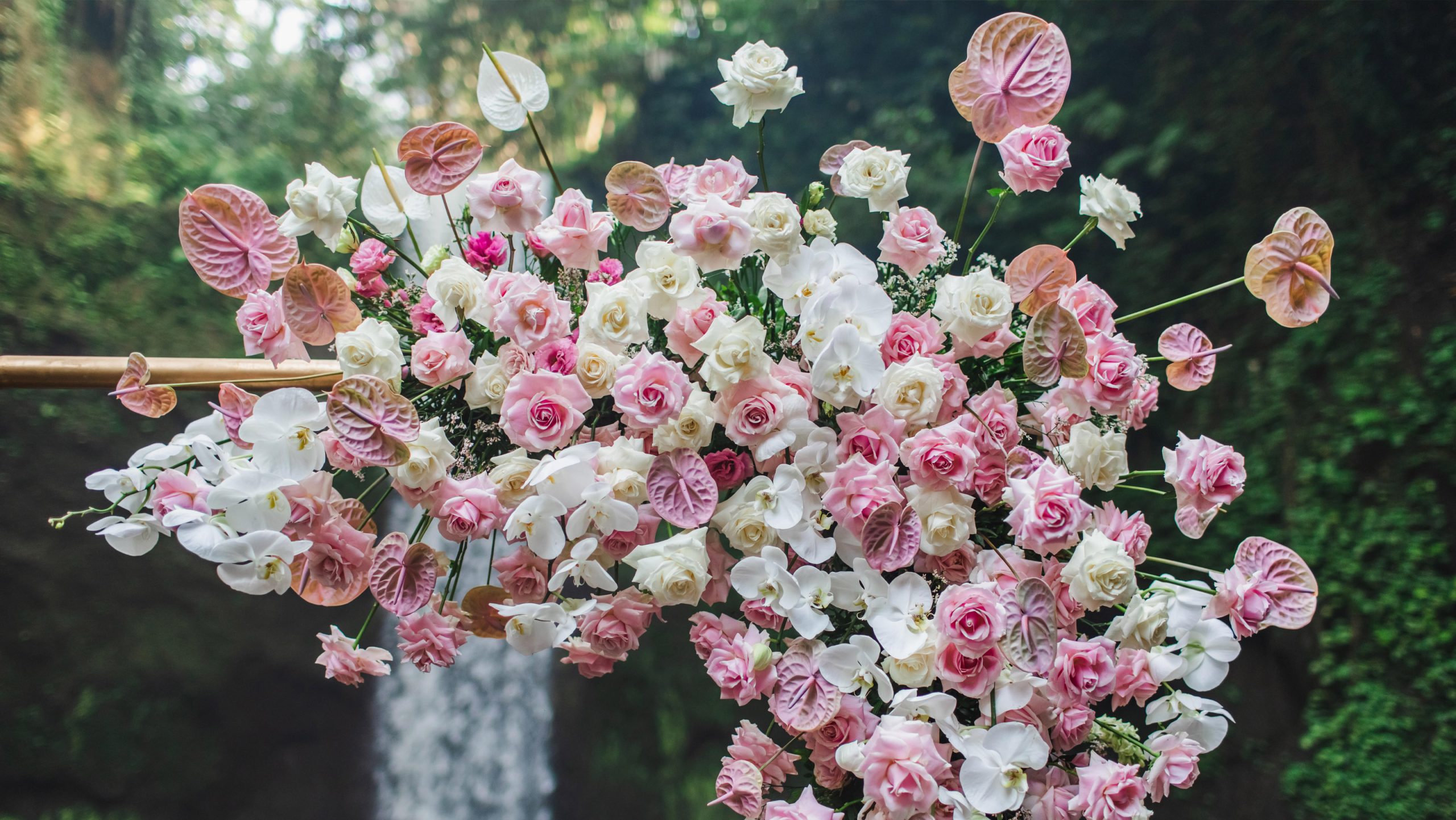
If you’ve ever browsed Instagram, you’re likely familiar with the concept of flower walls. These are beautifully crafted displays featuring lush greenery, artistically arranged flowers, and often custom signage, all combined to form an ideal backdrop for photos at various events, premieres, or branded spaces.
Flower walls are bespoke creations designed to add a burst of vibrancy, style, and personal flair to significant events. They are becoming increasingly popular, often taking the place of traditional “step and repeat” banners. These installations are especially prevalent in summer, where they accompany other floral arrangements.
Despite their growing presence and popularity, it’s understandable to have questions about flower walls. Rest assured, we’re here to provide you with the answers you need.
Why Use a Flower Wall?
Flower walls serve numerous purposes, but primarily, they are crafted to captivate attention, set a particular ambiance, or make a bold statement.
You can find these striking installations at various events and locations, including weddings, product launches, high-profile gatherings, corporate spaces, as well as at trendy restaurants, retail stores, and venues. Additionally, flower walls offer the flexibility of branding. They can be customized with a range of elements like logos, slogans, or last names, often featuring tailored signage made from materials such as Medium Density Fiberboard (MDF), plexiglass, or in a plaque style. These embellishments add a personalized touch, making the flower walls not just decorative pieces but also a reflection of the brand or individual they represent.
Are Flower Walls Made from Real Flowers?
Flower walls can be constructed using either real flowers or everlasting silk flowers, tailored to their specific application. For transient installations such as single or multi-day events, conferences, or parties, real flowers are an ideal choice, offering the beauty and freshness perfect for these occasions.
On the other hand, for less temporary setups, such as seasonal displays in stores or corporate holiday decorations, everlasting flower walls are more suitable. Everlasting or silk flowers are expertly crafted to mimic real flowers, providing the allure of natural blooms but with a significantly extended lifespan. These durable and visually appealing replicas allow for stunning designs that maintain their beauty over an extended period, making them a practical and attractive option for long-term installations.
What Kind of Flowers are Used in Live Flower Walls?
Live flower walls are not just artistic creations; they are constructed from living, breathing materials. As such, to ensure a live flower wall remains vibrant and fresh, it’s crucial to make thoughtful choices regarding the types of flowers and plants used.
The most suitable flowers for live flower walls are those with robust blooms and strong stems and leaves. Commonly, you’ll see a mix of hardy varieties such as roses, ferns, rosantha, calla lilies, orchids, and nasturtiums. These types are chosen for their durability and ability to be shaped into stunning, living art pieces.
In contrast, more delicate and soft-blooming flowers like hydrangeas, tulips, or anemones are challenging to incorporate into live flower walls. Their fragile nature makes them less practical for such displays, which is why they are less commonly seen in real flower wall installations.
How Much Do Flower Walls Cost?
Flower walls, due to their diverse range of sizes and styles, are typically priced on a per square foot basis. The cost generally falls between $125 to $175 per square foot, a range that varies depending on the materials used and the intricacy of the design.
From a logistical perspective, the standard size for flower walls is often around or in multiples of 8ft x 8ft sections. This sizing is strategic, as it’s the largest dimension that can be feasibly maneuvered through hallways, doorways, and most freight elevators, ensuring ease of transport and installation.
Additionally, custom-built signage is a popular feature in flower wall designs. Incorporating such signage usually incurs an additional charge, averaging between $300 to $500. This customization allows for a more personalized touch, aligning the flower wall more closely with the event’s theme or the brand’s identity.
How Do You Make a Flower Wall?
If you choose a flowersarch.com wall, we handle all the intricate work for you. The process begins with a consultation, leading to a tailor-made design that reflects your unique brand, personality, or style objectives. We provide a detailed render of your flower wall, giving you a clear preview of how the design will integrate with your space or venue.
For those who are adept at DIY or simply curious about our construction process, the initial step in creating a flower wall (after the design phase) is building a frame.
There are two common types of frames for flower walls, and the choice largely depends on how the wall will interact with your space. A-line frames are typically used when the flower wall is to be placed in a corner, or in scenarios where the back of the display won’t be visible to viewers.
Flush designs, on the other hand, can be integrated into existing walls for a seamless look, merging the venue’s architecture with the floral installation.
Once the frame is constructed, Oasis wet floral foam is affixed to it. This foam provides a base that supports and nourishes the live elements of the design. The chosen flowers, greenery, and plants are then meticulously cut, arranged, and placed, culminating in a stunning, attention-grabbing flower wall display.
And there you have it—everything you need to know about flower walls. If you’re looking to join esteemed clients like Olay, Netflix, American Airlines, Microsoft, and Hilton Hotels, don’t hesitate to contact us for a flower wall consultation today!
Most of the time, when you attend these events, you will have a beautiful gift like a customised bobblehead when the event ends.
