

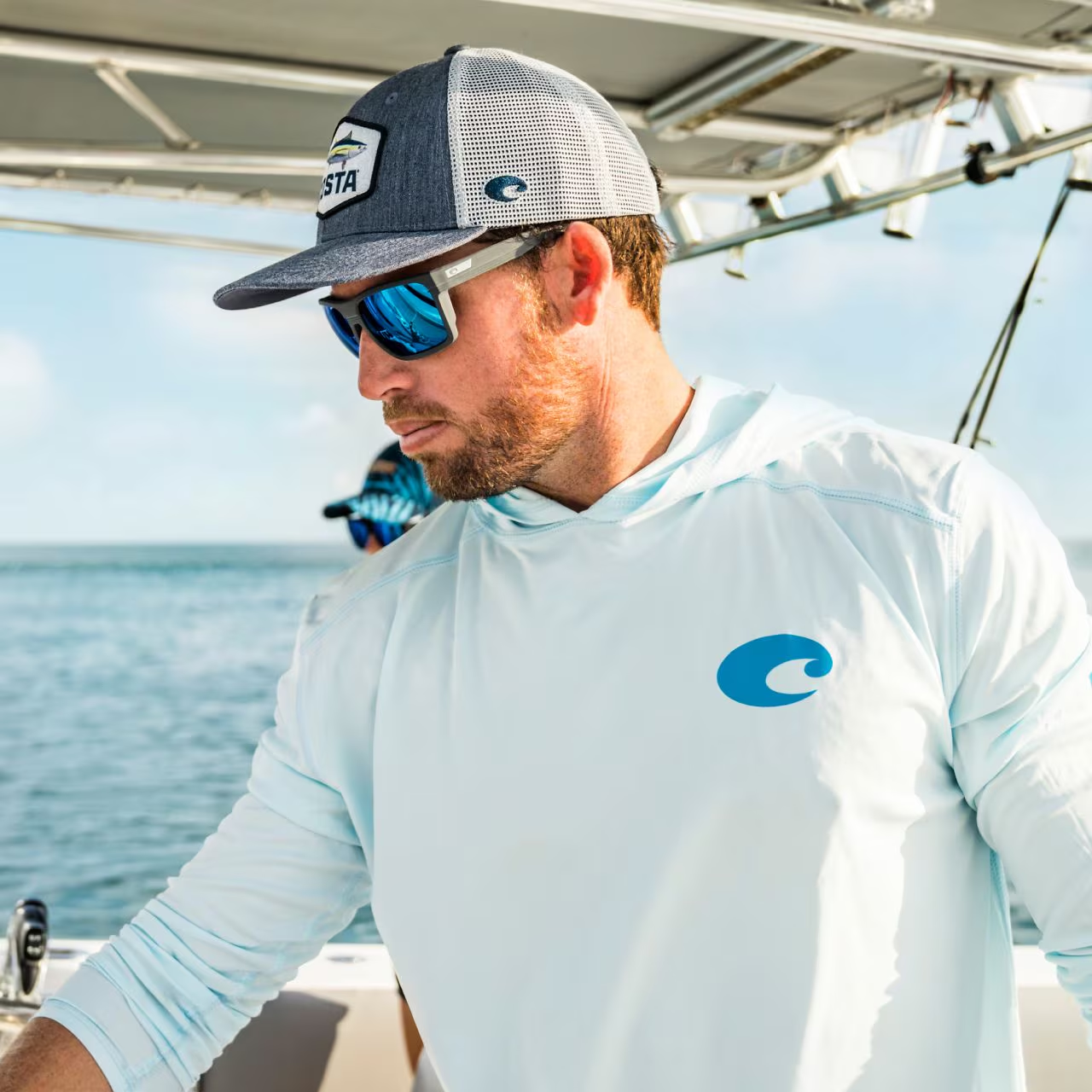
Good sunglasses do more than make bright days easier on the eyes. For people who spend time fishing, boating, hiking, driving, or just being outdoors for long stretches, the right frames can improve comfort, visibility, and durability in ways that are easy to notice. Costa is one of the brands that comes up often in these conversations because it builds polarized sunglasses specifically for outdoor use, especially around water and strong glare. Costa also offers different frame materials, lens colors, and fit styles, which means choosing the right pair is less about buying the most popular model and more about finding the one that matches how you actually spend time outside. Costa says all of its sunglasses are fully polarized, and its current collections are marketed for fishing, boating, and other outdoor activities.
Why Costa Frames Get So Much Attention
Costa was built with outdoor use in mind
Costa’s identity is closely tied to life on the water. The brand says it was started in Florida by people who wanted sunglasses that helped them “See What’s Out There,” especially in bright, reflective environments where ordinary lenses often fall short. That history still shapes the company’s product focus today. Costa continues to position its eyewear around glare reduction, clearer vision, and strong performance in outdoor settings rather than purely fashion-first design.
For the average buyer, that matters because it helps explain why Costa frames are so often recommended for fishing, boating, and similar activities. The brand’s products are not trying to do everything for everyone. They are designed first for outdoor performance, then adapted into different styles and fits.
They combine lens technology with practical frame design
A lot of sunglass brands can offer a stylish frame, and many can offer polarization. Costa stands out because it tries to combine strong lens performance with frame materials built for long wear and changing conditions. On its technology pages, Costa highlights features such as polarized 580 lenses, TR-90 nylon performance frames, bio-resin construction in some models, and corrosion-resistant stainless steel in selected frame lines.
That combination is one reason people searching for the best Costa frames for outdoor activities often end up comparing frame shape, material, and lens color together instead of looking at style alone.
Understanding Costa Frame Materials
Nylon and bio-resin frames are built for active use
Costa says its nylon frames are tough, durable, and often made through an environmentally friendly bio-resin process. The company also describes TR-90 nylon as resistant to heat and cold, flexible, and durable, which makes it especially suitable for sports and wraparound frame shapes.
In plain terms, this means nylon-based Costa frames are a strong choice for people who want lightweight sunglasses that can handle movement, temperature changes, and regular outdoor wear. If you hike, fish, kayak, or spend a lot of time in direct sun, this kind of frame material usually makes more sense than something heavier or more delicate.
Some Costa optical and sunglass product pages also describe ultrathin Bio-Resin nylon as comfortably light and suitable for use on and off the water. That makes it appealing for buyers who want performance eyewear without the heavier feel some sport frames can have.
Stainless steel can be a good fit for buyers who want a cleaner look
Costa also sells some models with stainless steel construction. On its Bimini Road optical pages, the brand describes certain models as made with corrosion-resistant rolled stainless steel or stamped stainless steel, sometimes paired with adjustable nose pads or Hydrolite rubber for comfort and retention.
For the general public, stainless steel usually makes sense when style matters just as much as outdoor function. These frames can feel a little more refined or everyday-friendly than sportier wrap models. They may not be the first choice for every rugged activity, but they can be a good option for people who want one pair of sunglasses that works outdoors and still feels polished enough for daily wear.
Costa Lens Options Matter Just as Much as the Frame
Polarization is one of the biggest selling points
Costa says all of its sunglasses are fully polarized, which is a major reason the brand is so popular for bright outdoor settings. Polarized lenses help reduce glare, especially from reflective surfaces like water, roads, and sand.
If you have ever been on a boat or near open water without polarized sunglasses, you already know how tiring glare can be. Reducing that glare can make it easier to see clearly, stay comfortable longer, and focus on what is in front of you instead of constantly squinting.
Costa’s 580 lenses are built for clarity and contrast
Costa’s official lens pages say its 580 lens technology goes “beyond polarized” by managing light to enhance colors, filter harsh yellow tones, protect against UV light, and absorb blue-violet light associated with haze and blur. The company offers both 580G glass lenses and 580P polycarbonate lenses, giving buyers a choice between stronger scratch resistance and lighter weight.
That is important because not everyone needs the exact same lens build. Glass lenses are often appealing for maximum clarity and scratch resistance, especially if visual sharpness is the top priority. Polycarbonate lenses are usually lighter, which can be better for all-day wear, frequent movement, or anyone who prefers a less heavy feel on the face.
Lens color should match your environment
Costa breaks down its lens colors by use case, which is helpful for buyers who feel overwhelmed by all the mirror and tint choices. According to Costa, Blue Mirror is best for bright, full-sun conditions on open water and offshore settings. Green Mirror is aimed at inshore fishing and flats, while gray and copper options are presented as versatile choices for everyday use or variable light. Costa also lists lens categories such as bright light and deep water, variable light and inshore, low light and cloudy conditions, and everyday activities. (Costa Del Mar)
This is one of the easiest ways to narrow down the best Costa frames for outdoor activities for your own needs. If you spend most of your time offshore in harsh sun, your best lens choice may be very different from someone who hikes in mixed light or wants a more everyday pair for driving, walking, and casual outdoor use.
How to Choose the Best Costa Frames for Your Activity
For fishing and boating
Costa is especially well known in the fishing world, and its own site heavily emphasizes that use. The company says its polarized fishing sunglasses are designed to help people see more clearly under the water and reduce glare on the surface.
If fishing or boating is your main activity, start with a secure frame fit and a lens color that matches the water and light conditions you deal with most. Open-water anglers often lean toward blue mirror lenses, while inshore users often prefer green mirror or copper-based options. Wrap-style nylon frames are often a good match because they tend to stay put better and provide more coverage at the sides.
For hiking, trails, and general outdoor wear
For hiking and general outdoor use, comfort often matters just as much as glare reduction. A heavy frame or a lens color that feels too specialized can become annoying if you want one pair to wear all day. In these cases, lighter nylon or bio-resin frames with more versatile lens colors may be the better call. Costa’s own lens categories suggest that gray and copper options work well for broader everyday conditions.
People looking for the best costa frames for outdoor activities often assume the most technical pair is always the best one. In reality, the better choice may be the pair you can wear comfortably for hours without adjusting, removing, or babying it.
For mixed use and daily wear
Not everyone needs a pair of sunglasses only for one sport. Some buyers want Costa frames they can use for driving, walking, weekend trips, beach time, and occasional outdoor adventures. That is where frame style and material balance become more important.
Costa’s hybrid and everyday-oriented lines suggest the brand knows many people want sunglasses that feel at home both on land and on the water. Its Hybrid Collection, for example, is presented as stylish for everyday land use while still ready to perform around the water.
If that sounds like you, it may make sense to choose a frame that feels less aggressive than a full wrap sport design but still offers polarized 580 lenses and a comfortable fit.
Fit Matters More Than Many People Realize
A good fit affects comfort and performance
Even the best lens technology will not help much if the sunglasses keep slipping, pinching, or feeling unstable. Costa product listings often note frame fit categories such as narrow or regular, and some styles include features like adjustable rubber nose pads, spring hinges, or Hydrolite details for comfort and retention.
For outdoor use, fit is not just about comfort. It also affects how much light enters from the sides, how secure the frames feel during movement, and whether you will actually want to wear them for long periods.
The right shape depends on your routine
If you are highly active or often around water, a wraparound or sport-focused shape may make the most sense because it gives more coverage and usually feels more secure. If you want something easier to wear casually every day, a more standard square, aviator, or hybrid design may be better.
There is no single “best” frame shape for everyone. The best one is the one that stays comfortable, protects your eyes well, and fits the way you spend time outside.
How to Take Care of Costa Frames
Rinse and clean them properly
Costa frames are built for the outdoors, but that does not mean they should be neglected. If you use them around saltwater, sand, sweat, or dust, a gentle rinse with fresh water helps remove debris that could wear on the lenses or hinges. Use a microfiber cloth and a lens-safe cleaner instead of rough fabrics or paper products.
Store them like gear, not like an afterthought
A protective case is one of the simplest ways to make your sunglasses last longer. Leaving them loose in a car, a tackle box, or a backpack increases the risk of scratches, bent frames, or heat damage. Proper storage makes a bigger difference than many people think.
Get help when repairs matter
If nose pads wear out, hinges loosen, or the frame bends, it is often better to look into professional repair or brand-supported service instead of forcing a quick fix. Costa provides repair guidance and support, which can be useful if you want to extend the life of a pair you really like.
What Makes Costa Worth Considering
Costa frames stand out because they are designed around real outdoor problems: glare, harsh sun, changing light, fit during movement, and long-term comfort. The brand’s use of polarized 580 lenses, nylon and bio-resin frame options, stainless steel styles, and activity-based lens recommendations gives buyers a practical set of choices instead of just a long wall of random sunglasses.
For most people, choosing the best Costa frames for outdoor activities comes down to three things. First, think about where you spend the most time outside: open water, trails, roads, or mixed environments. Second, choose a frame material that feels comfortable and durable for that setting. Third, pick a lens color based on your typical light conditions, not just what looks coolest online.
That is really the key to finding the best Costa frames for outdoor activities. It is not about chasing one model everyone else likes. It is about choosing a pair that fits your face, your environment, and the way you actually use sunglasses. When all three line up, the difference is usually obvious the moment you step into bright light.
