

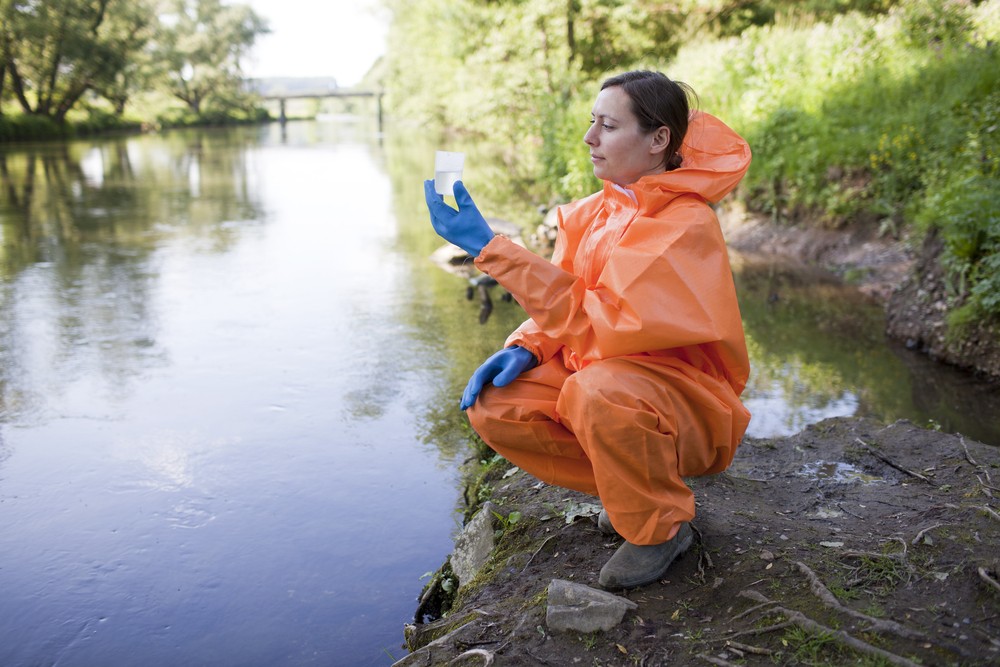
The Camp Lejeune water contamination tragedy stands as a dark chapter in the history of U.S. military bases, affecting countless lives.
From 1953 to 1987, the residents of the U.S. Marine Corps Base Camp Lejeune faced exposure to toxic chemicals in the water supply. This led to severe health issues and sparked a wave of legal action.
This article serves as an essential roadmap for those on the journey to seek restitution and acknowledgment for the hardships endured at Camp Lejeune.
The Camp Lejeune Justice Act of 2022
Enacted as part of the Honoring Our PACT Act of 2022, the Camp Lejeune Justice Act (CLJA) stands as a pivotal piece of legislation. According to VA News, it makes it possible for anybody who was exposed to polluted water at Camp Lejeune between 1953 and 1987 to seek compensation.
Signed into law in August 2022 by President Joe Biden, it grants the ability to sue the government over Camp Lejeune. It acknowledges the responsibility of the United States for certain actions or omissions related to the water contamination at Camp Lejeune.
Under the CLJA, individuals who were stationed at Camp Lejeune can pursue legal action for injuries such as cancers, neurological problems, and other illnesses. The legislation addresses healthcare, the presumption of service connection, research, and resources for veterans who were exposed to toxic substances during their service.
Understanding JAG Claims
The Judge Advocate General (JAG) claims process is a crucial element in the Camp Lejeune lawsuit journey. Individuals who filed claims through JAG became eligible to file lawsuits in the Eastern District of North Carolina.
JAG claims involve submitting complaints through the Judge Advocate General’s Corp. ConsumerNotice.org notes that as of February 2023, about 20,000 Camp Lejeune administrative claims were filed through this channel. However, critics argue that the Navy and Marine Corps have been slow to address these claims, with more than 20,000 claims reportedly unanswered.
Steps to File a Camp Lejeune Lawsuit
Navigating the legal landscape of filing a Camp Lejeune lawsuit involves a series of crucial steps. Claimants must adhere to a strategic process outlined by the Camp Lejeune Justice Act (CLJA) to ensure a smooth progression from initial claims.
Justia notes that the first step involves meeting the eligibility criteria. Determining eligibility is a critical step for individuals considering a Camp Lejeune lawsuit. To qualify, one must have lived or worked at Camp Lejeune for at least 30 cumulative days between August 1953 and December 1987. This includes veterans, reservists, civilian workers, guardsmen, and family members.
The eligibility criteria extend to individuals who were in utero while their mothers lived at the base during the period of water contamination. Such individuals, along with children exposed to the contaminated water, are deemed at a particularly high risk for health issues. This broadens the scope of those eligible to file claims.
Subsequently, claimants must file a Federal Tort Claims Act (FTCA) claim with the Department of the Navy. This step is mandated by the CLJA, and the claimant must await a response from the Navy. If the claim is denied or six months pass without a response, the claimant gains the freedom to file their Camp Lejeune lawsuit.
TorHoerman Law notes that engaging legal representation is a critical aspect of this process. Experienced Camp Lejeune lawyers guide claimants through the complexities of filing claims and navigating potential legal proceedings. These legal professionals play a crucial role in ensuring that claimants are well-equipped to pursue justice and compensation.
VA Benefits and Camp Lejeune Lawsuits
For veterans, the prospect of filing a Camp Lejeune lawsuit raises questions about the potential impact on existing VA benefits. Claimants must realize that filing a lawsuit has no bearing on the VA’s decision to give benefits or treatment. While pursuing compensation through a Camp Lejeune lawsuit, veterans can continue to receive VA benefits.
Veterans qualify for VA benefits related to Camp Lejeune compensation if they spent at least 30 cumulative days on the base from 1953 to 1987. To be eligible for these benefits, the veteran must not have earned a dishonorable discharge.
Adult leukemia, bladder cancer, liver cancer, aplastic anemia, kidney cancer, and Parkinson’s disease are among the presumptive conditions qualifying for VA disability compensation. Veterans seeking disability compensation must make a claim and provide medical evidence demonstrating a diagnosis of one or more of the diseases listed.
Potential Settlement Amounts and Compensation
While the exact Camp Lejeune compensation amount remains undisclosed, experts have estimated a minimum settlement of around $10 million. The Congressional Budget Office has projected that these claims could cost the government over $163 billion over ten years.
However, without publicized settlement amounts or bellwether test trial verdicts, the average settlement remains uncertain. Veterans approved by the VA for a Camp Lejeune claim with a 100% disability rating may anticipate an average compensation of $3,000. It’s crucial to note that VA disability compensation is separate from any potential Camp Lejeune lawsuit claim and varies based on the disability rating.
The absence of publicly announced settlement amounts emphasizes the fluid nature of Camp Lejeune lawsuits. The potential compensation individuals may receive could be influenced by the specific injuries claimed, the legal proceedings, and negotiations.
Claimants should approach potential settlement amounts with an awareness of the evolving nature of the legal landscape.
The Role of Lead Counsel
In July 2023, the appointment of lead counsel marked a significant development in the Camp Lejeune lawsuit landscape. Lead counsel plays a crucial role in ensuring the continued progress and coordination of the multitude of Camp Lejeune lawsuits. Their responsibilities include managing complex legal proceedings, representing the collective interests of claimants, and providing strategic direction for the cases.
The involvement of lead counsel brings a level of expertise and coordination necessary for a large-scale legal battle of this nature. Their leadership is expected to streamline the process, address challenges, and contribute to the pursuit of justice for those affected by the water contamination.
In summary, the CLJA and the role of lead counsel have brought crucial legal avenues for those affected by the water contamination tragedy. Meeting eligibility criteria, engaging experienced legal representation, and understanding the impact on VA benefits are pivotal steps in pursuing justice.
The uncertain nature of settlement amounts highlights the evolving landscape of Camp Lejeune lawsuits. As veterans pursue justice, the collective efforts under lead counsel aim to address challenges, streamline proceedings, and contribute to the pursuit of justice.
