

When a baby cries, it’s often a signal that they need comfort. Various auditory stimuli can provide the soothing effect your little one craves. From white noise to lullabies and nature sounds, different sounds have unique ways to calm and reassure a crying baby. This blog explores the most effective baby soothing sounds to help you manage those tearful moments and create a serene environment for your infant.
What Sounds Are Most Effective for Calming Babies?
White Noise: The Go-To Soothing Sound
White noise is a reliable, go-to solution for calming crying babies. This consistent, static-like sound mimics the noises heard in the womb, providing a familiar and comforting auditory environment. Research indicates that white noise not only helps babies fall asleep faster but also reduces the duration of crying in colicky infants. You can generate white noise using household devices such as fans, hairdryers, or specialized white noise machines that produce a consistent hum, masking disruptive external noises and promoting restfulness.
Lullabies: Timeless Tunes to Soothe Babies
Lullabies hold a timeless charm when it comes to soothing babies. These gentle melodies work wonders in calming agitation and distress. Studies have shown that babies, regardless of their cultural background, respond positively to lullabies, exhibiting signs of relaxation like decreased heart rates and pupil dilation. Apart from traditional lullabies, slow-tempo music (around 60 to 80 beats per minute) can also be effective. Such tunes trigger soothing emotional responses and can hasten the settlement of a crying infant, establishing a comforting routine.
Nature Sounds: Calming Effects of Rain and Ocean Waves
Nature sounds, like rainfall or ocean waves, can have a calming effect on babies. These sounds often embody pink noise, which is similar to white noise but with a lower pitch, making it more soothing and relaxing. Although research on pink noise for babies is still growing, some established studies suggest that these sounds can contribute to more stable sleep and improve overall sleep quality. Many parents find that their babies respond better to nature sounds, as they may remind them of the womb environment, offering a safe and peaceful auditory experience.
Why Do Certain Sounds Calm Babies Instantly?
Mimicking the Womb: The Comfort of Familiar Sounds
The womb is a bustling environment filled with rhythmic sounds—the mother’s heartbeat, the whooshing of blood, and the muffled external noises. Babies find comfort in these familiar sounds, and white noise or pink noise can replicate this comforting womb-like environment, thus providing reassurance. Such consistent sounds help block out abrupt and startling noises, creating an auditory cushion that promotes relaxation and calmness in babies.
The Science of Sound and Baby’s Nervous System
Babies are born with an immature nervous system that evolves rapidly during their early months. Certain sounds can support this maturation process by providing a steady and soothing stimulus, helping regulate their stress levels and nervous system responses. For instance, the consistent, rhythmic patterns of white noise or lullabies can help stabilize the baby’s heart rate and breathing, fostering a sense of security and aiding in the self-soothing process. Sound’s impact on the nervous system is a pivotal aspect of why auditory stimuli can be so effective in calming infants.
How to Use Soothing Sounds to Calm Crying Babies
Setting the Right Volume and Environment
While introducing soothing sounds to calm your baby, it’s crucial to set the right volume—neither too loud to be startling nor too quiet to be ineffective. Approximately 50-60 decibels, akin to the sound of a regular conversation, is ideal. Additionally, the environment matters; ensure the baby’s sleep space is free from startling stimuli and has a consistent, soft light. Setting up a calming environment can significantly enhance the effectiveness of soothing sounds, contributing to a peaceful experience.
Best Devices and Apps for Playing Soothing Sounds
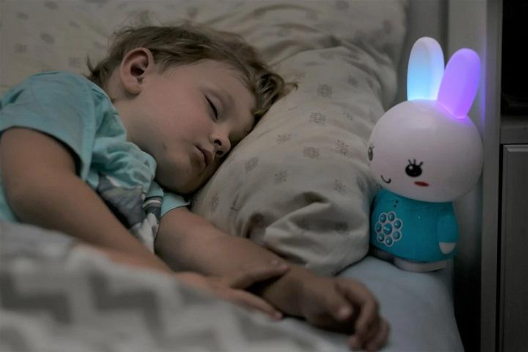
Today’s technology offers a variety of devices and apps designed to play soothing sounds tailored to babies’ needs. White noise machines, mobile apps, and sleep companion toys, such as the Alilo sleep companion toy, are excellent choices. These devices often come with a library of sounds including white noise, lullabies, and nature sounds. Moreover, they are designed with baby safety in mind, using non-toxic materials and ensuring easy operation. Selecting the right device becomes essential for consistent and effective use.
Creating a Consistent Sleep and Soothing Routine
Consistency is key to creating effective soothing routines. Establish a predictable pattern by integrating soothing sounds into your baby’s bedtime routine. For example, play ambient white noise during nighttime feedings, or use lullabies during pre-sleep cuddle sessions. When babies associate certain sounds with comfort and sleep, it helps them transition more smoothly into sleep mode, reducing the incidence of prolonged crying episodes. Over time, these associations can drastically improve both the baby’s and parents’ sleep quality.
Can Sound Overload Cause Harm to Babies?
The Risk of High Volume and Prolonged Exposure
While soothing sounds can be beneficial, high volumes or prolonged exposure can pose risks. Continuous loud noises may cause auditory fatigue and potential hearing damage over time. It’s crucial to monitor not only the volume but also the duration of sound exposure during sleep and alertness periods. Short, controlled sessions of auditory stimulation are recommended to ensure that your baby reaps the benefits without encountering adverse effects.
Ensuring Safe Sound Levels for Babies
Maintaining safe sound levels is essential for protecting your baby’s delicate ear structures. Use sound level meters available in many apps to ensure the volume stays within safe limits (ideally under 50-60 decibels). Regularly monitor and adjust the settings on your white noise machine or any other device, ensuring that the sound remains soothing and not overwhelming. By maintaining appropriate sound levels, parents can create a calming environment that supports healthy auditory development.
Conclusion
Selecting the right sounds to calm your crying baby can make a significant impact on their comfort and sleep quality. White noise, lullabies, and nature sounds each offer unique calming effects that can mimic the familiar and comforting environment of the womb. Understanding the science behind these sounds and implementing them effectively ensures that your baby remains calm and relaxed. By using the appropriate volume settings, choosing the best devices, and establishing a consistent routine, parents can create a soothing auditory atmosphere that promotes both immediate calm and long-term sleep health.
