

Few travel experiences compare to the freedom of hitting the open road in a recreational vehicle. For many people, an RV represents adventure, flexibility, and the chance to wake up somewhere new whenever the mood strikes. You can park beside a lake one week, explore a national park the next, and still carry the comforts of home with you.
But RV ownership comes with responsibilities that new owners sometimes underestimate. These vehicles combine the complexity of an automobile with the systems of a small house. Engines, plumbing, electrical wiring, slide-outs, appliances, and roofing all work together in a compact space that constantly moves. Over time, wear and tear becomes inevitable.
Understanding how RV repair works can make ownership far less stressful. Instead of reacting to problems when something breaks down on the road, experienced owners learn how to spot early warning signs and keep their rigs in good shape. With the right approach, repairs become manageable rather than overwhelming.
Why RVs Require Specialized Repair Knowledge
An RV is not simply a large vehicle. It is a hybrid machine that blends automotive engineering with residential construction. This combination creates unique repair challenges that most standard auto shops are not equipped to handle.
The chassis, engine, and drivetrain function like any other motor vehicle, but the living area introduces a completely different set of systems. Plumbing lines run through cabinets and walls. Electrical wiring connects batteries, inverters, solar panels, and appliances. Roof structures must stay sealed against weather while enduring vibration from thousands of miles of travel.
Because of this complexity, diagnosing problems often requires a broader skill set than standard automotive repair. Technicians must understand how mechanical and residential style systems interact within the vehicle. A water leak, for example, may not be immediately visible but can quietly damage insulation, wood framing, and wiring behind the walls.
Most Common RV Problems Owners Encounter
Even well maintained RVs eventually develop issues. Travel vibration, exposure to the elements, and extended use of onboard systems all contribute to wear. Recognizing common problems can help owners address them early before they become expensive repairs.
One frequent issue involves water intrusion. RV roofs, vents, skylights, and window seals must remain tightly sealed to prevent leaks. Over time, sealants can crack or shrink, allowing moisture to seep inside. If ignored, that moisture can lead to mold, structural damage, and costly restoration work.
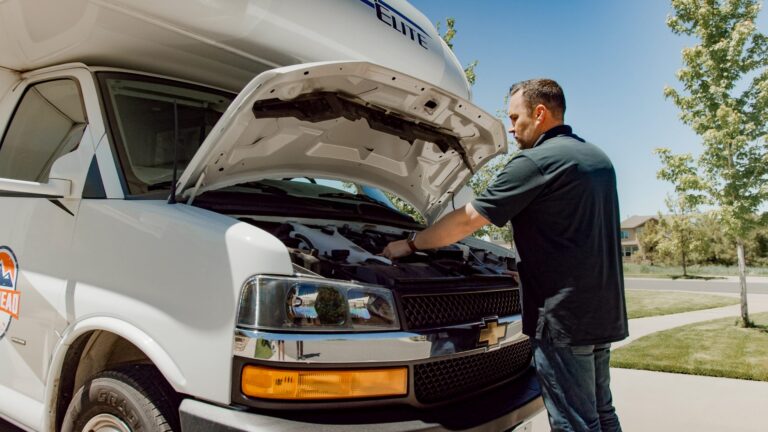
Mechanical problems are also common, especially in motorhomes that accumulate high mileage. Engines, brakes, suspension components, and transmissions face heavy loads during long trips. Regular maintenance helps reduce risk, but unexpected failures can still happen, especially in older vehicles.
Electrical system failures
Electrical issues are among the most confusing problems for many RV owners. Modern rigs rely on both 12 volt and 120 volt systems, which power everything from lighting and water pumps to air conditioning and kitchen appliances. When something stops working, the source of the problem is not always obvious.
Loose connections, worn wiring, or battery issues can cause intermittent failures. Sometimes the issue lies in a converter or inverter that regulates electrical flow throughout the coach. Troubleshooting often involves carefully testing circuits and ensuring that all components are functioning correctly.
Because electrical systems are interconnected, one small fault can create larger disruptions. For example, a failing battery may cause lights to dim, appliances to malfunction, or charging systems to behave unpredictably. Addressing electrical issues early can prevent more serious complications later.
Plumbing leaks and water damage
Water systems inside an RV are compact but surprisingly complex. Fresh water tanks, pumps, heaters, sinks, showers, and wastewater systems all rely on hoses and fittings that must remain sealed while the vehicle moves and vibrates.
Small leaks often appear around fittings or connections. These leaks may begin as minor drips but can gradually soak surrounding materials. Cabinets, flooring, and substructures are especially vulnerable because water damage may remain hidden until discoloration or odors appear.
Repairing plumbing problems usually involves identifying the exact source of the leak and replacing worn components. Preventive inspections are important because early repairs are far easier and less expensive than dealing with widespread water damage.
Preventive maintenance that saves money
Many RV repairs can be avoided through consistent maintenance. While it may not be the most exciting part of RV ownership, routine inspections can dramatically extend the life of the vehicle and reduce unexpected breakdowns.
One of the most important habits is regularly checking the roof and exterior seals. Sealants should remain flexible and intact, protecting openings from rain and humidity. Reapplying sealant where needed can prevent leaks that might otherwise cause major structural damage.
Tires and suspension components also deserve close attention. RVs often sit unused for long periods, which can cause tires to deteriorate even if they still appear to have good tread. Inspecting tires for cracks, checking air pressure, and monitoring suspension parts helps maintain safe travel conditions.
Seasonal preparation and storage care
RVs that spend months in storage require special preparation. Temperature changes, humidity, and inactivity can all affect mechanical and interior systems. Proper seasonal maintenance helps prevent unpleasant surprises when travel season returns.
Winterizing plumbing systems is one of the most important steps in colder climates. Water left inside pipes or tanks can freeze and expand, damaging fittings and hoses. Draining systems and adding antifreeze helps protect the plumbing network during freezing temperatures.
Battery care is another essential task during storage. Batteries slowly discharge over time, which can shorten their lifespan if left unattended. Using a battery maintainer or periodically charging the system keeps electrical components in good condition until the RV is ready for the road again.
Knowing when to call professional technicians
Some RV owners enjoy tackling small repairs themselves. Replacing a light fixture, tightening a loose cabinet hinge, or resealing a roof vent can often be done with basic tools and patience. However, not every repair is suitable for a do it yourself approach.
Structural repairs, electrical diagnostics, and major mechanical work usually require specialized knowledge. Attempting complex fixes without proper training can sometimes make the problem worse. In these situations, experienced technicians have the equipment and expertise needed to identify and resolve issues efficiently.
Professional service providers often perform detailed inspections that uncover hidden problems. A technician might notice early signs of frame corrosion, electrical wear, or water intrusion that an owner would easily overlook. Addressing these issues early can prevent expensive repairs later.
Choosing a reliable repair provider
Finding a trustworthy technician is one of the most valuable steps an RV owner can take. Because RV systems are so specialized, experience in recreational vehicle repair matters far more than general automotive knowledge.
A reputable repair facility will take time to explain the issue clearly and outline possible solutions. Good technicians also document their work and provide recommendations for future maintenance. This transparency helps owners understand how to protect their investment over the long term.
For example, travelers researching RV repair in Texas services often look for shops with experience handling both mechanical and coach related issues. Facilities that specialize in RVs are more likely to have the tools and training necessary to handle the unique challenges these vehicles present.
Technology changing the way RVs are repaired
Recreational vehicles have evolved significantly in recent years. New models often include solar systems, advanced battery banks, smart control panels, and improved climate systems. While these features improve comfort and efficiency, they also add complexity to the repair process.
Diagnostic tools now play a larger role in identifying problems. Digital monitoring systems can track battery performance, energy usage, and system status in real time. When something fails, technicians can analyze data to pinpoint the cause more quickly.
At the same time, newer materials and construction techniques have improved durability. Better insulation, composite panels, and improved sealants help modern RVs withstand weather and road vibration more effectively. Even so, routine care remains essential to keep these systems working properly.
Keeping the adventure alive
Owning an RV is about freedom, exploration, and creating memories on the road. Whether someone travels occasionally or lives in their vehicle full time, keeping the rig in good condition ensures that those experiences remain enjoyable rather than stressful.
Repairs are simply part of the journey. Every seasoned traveler eventually faces a malfunctioning appliance, a worn seal, or an electrical glitch. The key is understanding that these issues are manageable with the right approach and reliable support.
By staying proactive with maintenance, learning the basics of RV systems, and working with experienced technicians when needed, owners can keep their vehicles road ready for years to come. In the end, a well maintained RV becomes more than transportation. It becomes a trusted companion for adventures that stretch far beyond the next destination.
