

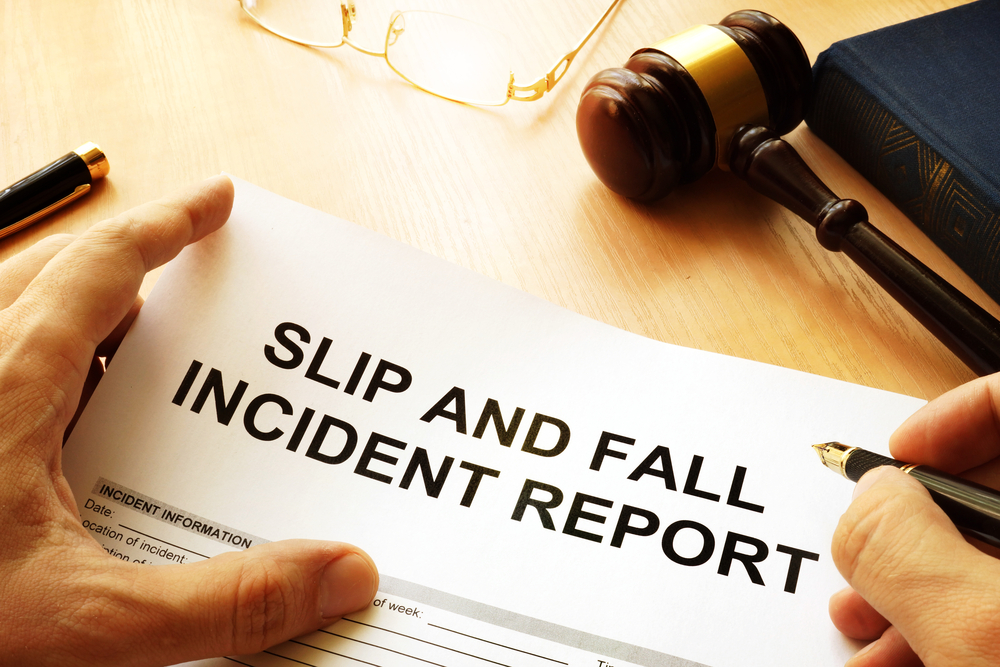
Slip and fall accidents can happen anywhere, from a grocery store to a neighbor’s home, and the resulting injuries can be severe. In Virginia, the laws governing slip and fall cases are specific and can significantly impact your ability to recover compensation. Understanding these laws is crucial for anyone injured in a slip-and-fall accident, as they dictate everything from the burden of proof to potential defenses.
Understanding how Virginia’s slip and fall laws work, including key legal concepts and the responsibilities of property owners, can be the difference between a successful claim and one that fails to secure compensation. Whether you’re a victim seeking justice or a property owner looking to understand your obligations, knowing these laws is essential.
Understanding Premises Liability in Virginia
Premises liability is the foundation of Virginia’s slip and fall laws. It refers to the legal responsibility that property owners and occupiers have to maintain their premises safely. This duty addresses hazards such as wet floors, uneven pavement, or debris that could cause someone to slip, trip, or fall.
In Virginia, the specific duty owed by a property owner depends on the status of the person entering the property—whether they are an invitee, licensee, or trespasser. Understanding how premises liability works is essential for determining whether you have a valid claim.
The Duty of Care in Virginia Slip and Fall Cases
The duty of care that a property owner owes to visitors is a key factor in slip and fall cases. In Virginia, property owners must exercise reasonable care to keep their premises safe for invitees—people on the property for business purposes, such as customers in a store. For licensees—those on the property with permission but for non-business purposes—the duty of care is lower, but the owner must still avoid willful or wanton harm.
For trespassers, the property owner generally owes no duty of care except to refrain from willfully causing harm. However, there are exceptions, mainly when children are involved. Knowing the level of care that applies to your case can influence the outcome of your claim.
Contributory Negligence: A Major Factor in Virginia
Virginia is one of the few states still following the contributory negligence doctrine. This means that if you are found to be even 1% at fault for your slip and fall accident, you may be completely barred from recovering any compensation. This strict standard makes it imperative to build a strong case that demonstrates the property owner’s negligence without implicating your actions.
Understanding contributory negligence is crucial when pursuing a slip and fall claim in Virginia Beach. Even a slight misstep in how you present your case can jeopardize your ability to recover damages.
Statute of Limitations for Slip and Fall Claims
Virginia’s statute of limitations for filing a slip and fall lawsuit is generally two years from the accident date. This time frame is critical because if you fail to file your claim within this period, you may lose your right to seek compensation. This rule has few exceptions, so it’s important to act promptly.
Awareness of the statute of limitations ensures you take timely legal action, preserving your right to pursue a claim. Consulting with an attorney soon after your accident can help you stay on track and avoid missing this crucial deadline.
The Role of Evidence in Proving Your Case
Evidence is the backbone of any slip-and-fall case in Virginia. To prove that the property owner was negligent, you must provide compelling evidence that they knew or should have known about the hazard and failed to take reasonable steps to fix it. This can include photographs of the accident scene, witness statements, and maintenance records.
Gathering and preserving evidence immediately after the accident is vital for building a strong case. The more evidence you have, the better your chances of demonstrating the property owner’s liability and overcoming contributory negligence defenses.
The Role of Insurance in Slip and Fall Claims
Insurance companies play a significant role in slip and fall claims, as most property owners carry liability insurance to cover accidents on their premises. When a slip and fall claim is filed, the insurance company typically handles the investigation, negotiation, and settlement process on behalf of the property owner. However, it’s important to remember that insurance companies often prioritize their financial interests, which means they may attempt to minimize or deny your claim.
Navigating the insurance process can be challenging, especially if you are recovering from injuries. An experienced attorney can help level the playing field, ensuring that the insurance company treats your claim fairly and that you receive the compensation you deserve.
The Impact of Weather-Related Slip and Fall Accidents
Weather conditions, such as snow, ice, and rain, are common causes of slip-and-fall accidents in Virginia. Property owners are responsible for promptly addressing weather-related hazards, such as shoveling snow, applying salt to icy walkways, and ensuring that water is properly drained to prevent slippery surfaces. Failing to do so can result in liability if someone is injured due to these hazardous conditions.
However, proving liability in weather-related slip and fall cases can be more complex than in other scenarios. The timing of when the hazard occurred and when the property owner took action (or failed to take action) plays a crucial role. Additionally, the property owner’s obligations may vary depending on local ordinances and the type of property involved.
The Importance of Legal Representation
Given the complexities of Virginia’s slip-and-fall laws, having legal representation is often essential to the success of your claim. An experienced attorney can guide you through the legal process, help gather crucial evidence, and represent your interests in negotiations or court. They can also help you navigate the challenges posed by Virginia’s contributory negligence rule, ensuring that your case is as strong as possible.
Legal representation can make a significant difference in the outcome of your case, particularly when dealing with insurance companies and opposing attorneys. Having a knowledgeable advocate on your side increases your chances of receiving the compensation you deserve.
