

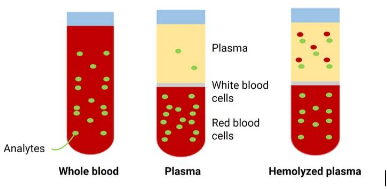
Without quick diagnosis and treatment, hemolysis—the destruction of red blood cells (RBCs)—can cause serious health issues. Hemoglobin and enzyme release into the circulation causes abnormal lab findings. Laboratory hemolysis markers help determine the cause of red blood cell loss and its amount. Hemolysis may develop from immunological diseases, infections, and medical device failure. In this article, hemolysis laboratory signs will help doctors choose a treatment. These signs may avoid anemia, jaundice, and organ damage if detected early. Thorough testing clarifies the patient’s condition, enabling tailored therapy. WuXi AppTec’s advanced diagnostics track hemolysis. They employ modern methods to deliver accurate hemolytic treatment data.
What Are the Most Common Blood Tests for Hemolysis?
Complete Blood Count (CBC) and Hemoglobin
A Complete Blood Count (CBC) is a basic blood test conducted when hemolysis is suspected. It offers critical information on the different constituents of blood, particularly red blood cells (RBCs). In the context of hemolysis labs, the paramount metric is the hemoglobin concentration, which quantifies the blood’s oxygen-carrying ability. Hemolysis lowers hemoglobin levels by breaking down red blood cells. A low hemoglobin level can show up as tiredness, shortness of breath, and paleness, which tells doctors that hemolysis might be happening. Variations in the mean corpuscular volume (MCV), the red cell distribution width (RDW), and the number of red blood cells (RBCs) may also contribute to our comprehension of the mechanism by which hemolysis occurs. Through the analysis of these indicators, doctors may evaluate the degree of red blood cell loss and make educated treatment recommendations. Continuous monitoring of hemoglobin levels is crucial for assessing the patient’s therapeutic response and guaranteeing the regulation of hemolysis. WuXi AppTec provides sophisticated CBC tests that provide exact quantification of blood components, aiding in accurate diagnosis and efficient patient management.
Lactate Dehydrogenase (LDH) Levels
Lactate Dehydrogenase (LDH) is an enzyme extensively present in several tissues of the body, including red blood cells (RBCs). Upon the rupture of red blood cells, lactate dehydrogenase (LDH) is released into the circulation, leading to increased LDH levels, which act as a critical indicator of hemolysis. Increased LDH levels signify cellular degradation, especially of red blood cells, making it a significant indicator for identifying hemolysis. LDH is especially valuable since it is not exclusive to hemolysis but may also signify various types of cellular breakdown, offering a comprehensive overview of tissue damage. Consequently, whereas increased LDH levels indicate hemolysis, they should be analyzed with other indicators. Consistent monitoring of LDH enables doctors to assess the advancement of hemolysis and the efficacy of therapeutic therapies. WuXi AppTec provides extensive testing for LDH, enabling accurate and dependable measures essential for the proper management of hemolysis situations. Prompt identification of LDH spikes may initiate further inquiry into possible sources of cellular damage and avert subsequent difficulties.
Reticulocyte Count
Reticulocytes are immature red blood cells (RBCs) generated by the bone marrow in reaction to the breakdown of RBCs, especially during hemolysis. An elevated reticulocyte count indicates that the body is attempting to compensate for the loss of red blood cells by generating new ones. This process serves as a compensatory mechanism to restore the body’s oxygen transport capability. An enhanced reticulocyte count is a significant indicator of heightened RBC turnover in the setting of hemolysis. The reticulocyte count not only confirms hemolysis but also elucidates the bone marrow’s reaction to the disease. Monitoring reticulocyte counts over time is crucial for patients with chronic or severe hemolysis to assess bone marrow functionality and the adequacy of the body’s compensatory mechanisms against red blood cell loss. WuXi AppTec provides sophisticated testing tools that precisely quantify reticulocyte levels, assisting healthcare professionals in evaluating the degree of hemolysis and informing treatment choices appropriately.
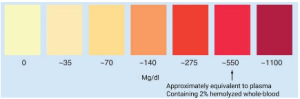
Which Lab Markers Indicate Red Blood Cell Destruction?
Haptoglobin Levels
Haptoglobin is a hepatic protein that binds to free hemoglobin released after erythrocyte lysis. The disintegration of red blood cells during hemolysis releases hemoglobin into the circulation. Haptoglobin binds to free hemoglobin to promote its elimination. The consumption of haptoglobin during this process results in a drop in blood levels. Reduced haptoglobin levels are a significant signal of intravascular hemolysis, characterized by the destruction of red blood cells inside the blood arteries. Assessing haptoglobin levels is an essential diagnostic method for differentiating hemolysis from other illnesses that may induce anemia or red blood cell breakdown. It assists in distinguishing between intravascular and extravascular hemolysis when red blood cells are annihilated outside the blood arteries. Tracking haptoglobin levels longitudinally may provide critical insights into the advancement of hemolysis and the efficacy of treatment strategies. WuXi AppTec offers precise haptoglobin testing that aids in the identification and treatment of hemolysis, enabling healthcare practitioners to give prompt and suitable therapy.
Indirect Bilirubin Levels
The heme part of hemoglobin is turned into bilirubin when red blood cells (RBCs) are killed. This is called indirect (unconjugated) bilirubin. After being taken to the liver, this bilirubin is changed into its conjugated form and then flushed out of the body. In cases of hemolysis, more indirect bilirubin is made because red blood cells are being destroyed. High amounts of indirect bilirubin in the blood make it clear that red blood cells are breaking down and hemolysis is happening. This can lead to jaundice, which is when your skin and eyes turn yellow. This is common in people with serious hemolysis. Monitoring indirect bilirubin levels is essential for determining the extent of hemolysis and understanding the body’s ability to process the byproducts of RBC destruction. Elevated bilirubin levels are not only indicative of hemolysis but also help assess liver function. WuXi AppTec’s laboratory services include bilirubin testing, ensuring that clinicians can accurately monitor these levels and provide appropriate interventions.
Peripheral Blood Smear
A peripheral blood smear is a microscopic analysis of blood that offers a visual evaluation of red blood cell (RBC) morphology. This test is particularly effective in identifying hemolysis since it may disclose distinctive alterations in the form and structure of red blood cells that transpire during hemolysis. In instances of mechanical red blood cell breakdown, shattered cells termed schistocytes may be detected. Schistocytes signify microangiopathic hemolytic anemia, characterized by the physical destruction of red blood cells as they traverse narrow blood arteries. A blood smear may reveal other abnormalities, such as spherocytes, indicative of immune-mediated hemolysis. The existence of these morphological alterations aids in validating the diagnosis of hemolysis and offers insights into its fundamental etiology. Clinicians may ascertain the kind of hemolysis and customize therapy by analyzing the results of a blood smear. WuXi AppTec provides superior blood smear analysis, facilitating precise diagnosis and effective patient care.
Conclusion
Accurate diagnosis of hemolysis depends on the identification of essential laboratory markers that signify red blood cell (RBC) breakdown. Tests include the complete blood count (CBC), lactate dehydrogenase (LDH) levels, and reticulocyte counts, which offer critical insights into red blood cell health and the body’s reaction to hemolysis. Furthermore, decreased haptoglobin levels increased indirect bilirubin, and results from a peripheral blood smear provide further corroboration of red blood cell death. These diagnostic instruments assist doctors in evaluating the severity of hemolysis, tracking its course, and informing therapy choices. WuXi AppTec’s sophisticated diagnostic services provide precise and dependable testing for hemolysis markers, enabling healthcare practitioners to make educated choices based on correct data. By using these critical indicators, doctors may identify hemolysis promptly, avert complications, and enhance patient outcomes. Effective treatment depends on prompt diagnosis, and reliable laboratory tests enable healthcare practitioners to intervene before the emergence of more severe effects.
