

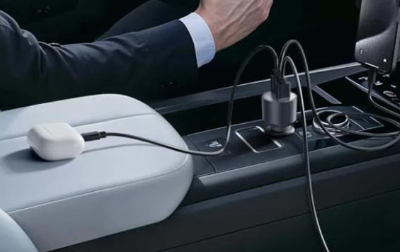
The wireless car charger is revolutionizing the way electric vehicles (EVs) are powered. This technology offers a convenient and efficient solution by eliminating the need for physical cables and connectors. As EV adoption grows, understanding the advantages of wireless charging becomes increasingly crucial. This method uses electromagnetic fields to transfer energy between a pad on the ground and a receiver on the vehicle. Although still in its early stages, wireless charging holds significant promise for the future of transportation. By removing the hassle of plugging in, it provides effortless recharging, enhancing the user experience. Furthermore, it supports smart energy management, allowing integration with various renewable sources.
The Benefits of Wireless Car Charging
Convenience and Ease of Use
One of the primary benefits of wireless car charging is the unparalleled convenience it offers. Drivers simply park their vehicles over a charging pad, and the power transfer begins automatically. This process eliminates the need for cumbersome cables and connectors, making it extremely user-friendly. Especially beneficial for individuals with physical limitations or those living in urban areas with limited infrastructure, wireless charging streamlines the daily routine of maintaining an electric vehicle. Moreover, this technology can be integrated into various locations such as homes, offices, and public parking spaces, providing ubiquitous access to charging. The ease of use extends to fleet operations as well, where managing multiple vehicles can be simplified by eliminating the need to physically plug in each car. Automated alignment systems further enhance efficiency by ensuring optimal positioning without human intervention. This seamless integration into everyday life significantly contributes to a positive perception of electric vehicle ownership, promoting wider adoption.
Enhanced Safety
Wireless car charging presents a safer alternative compared to traditional corded systems. Since there are no exposed wires or plugs, the risk of tripping hazards and electrical faults is greatly reduced. Additionally, weather conditions like rain or snow do not pose a threat to the charging process, whereas conventional plugs might be susceptible to damage or corrosion over time. This technology also incorporates advanced safety features that prevent charging from occurring unless both the vehicle and the charging pad are properly aligned. This ensures that energy transfer is efficient and secure, minimizing any potential hazards. Furthermore, real-time communication between the vehicle and the charging system monitors the process continuously, promptly detecting and addressing any anomalies.
Compatibility and Future-Proofing
Wireless charging systems are designed with compatibility in mind, supporting a range of vehicle models and manufacturers. This flexibility ensures that users are not restricted by proprietary systems, allowing for a more unified and standardized approach across different platforms. As the technology evolves, updates can be easily implemented to support new models or improvements, safeguarding against obsolescence. Additionally, the development of wireless charging paves the way for future innovations in autonomous vehicles. With their ability to charge without human intervention, autonomous cars can become more practical and self-sufficient, operating efficiently with minimal downtime. This forward-thinking capability aligns with the increasing trend towards automation and smart cities, where seamless integration of technology plays a critical role. By investing in wireless charging infrastructure today, stakeholders are preparing for a future where sustainability, convenience, and innovation drive the automotive industry forward, ensuring long-term viability and adaptability.
Conclusion
Wireless car charging offers numerous benefits that facilitate the transition towards greener and more efficient transportation solutions. Its convenience, safety, and compatibility make it a highly attractive option for both individual users and fleet operators. By integrating with future technologies and environmental strategies, wireless charging not only improves user experience but also contributes to broader sustainability efforts. As the world moves towards embracing electric vehicles, investing in wireless charging infrastructure is vital for ensuring progress in automotive innovation and environmental responsibility. Embracing this cutting-edge technology will undoubtedly play a pivotal role in shaping the future of transportation.
