

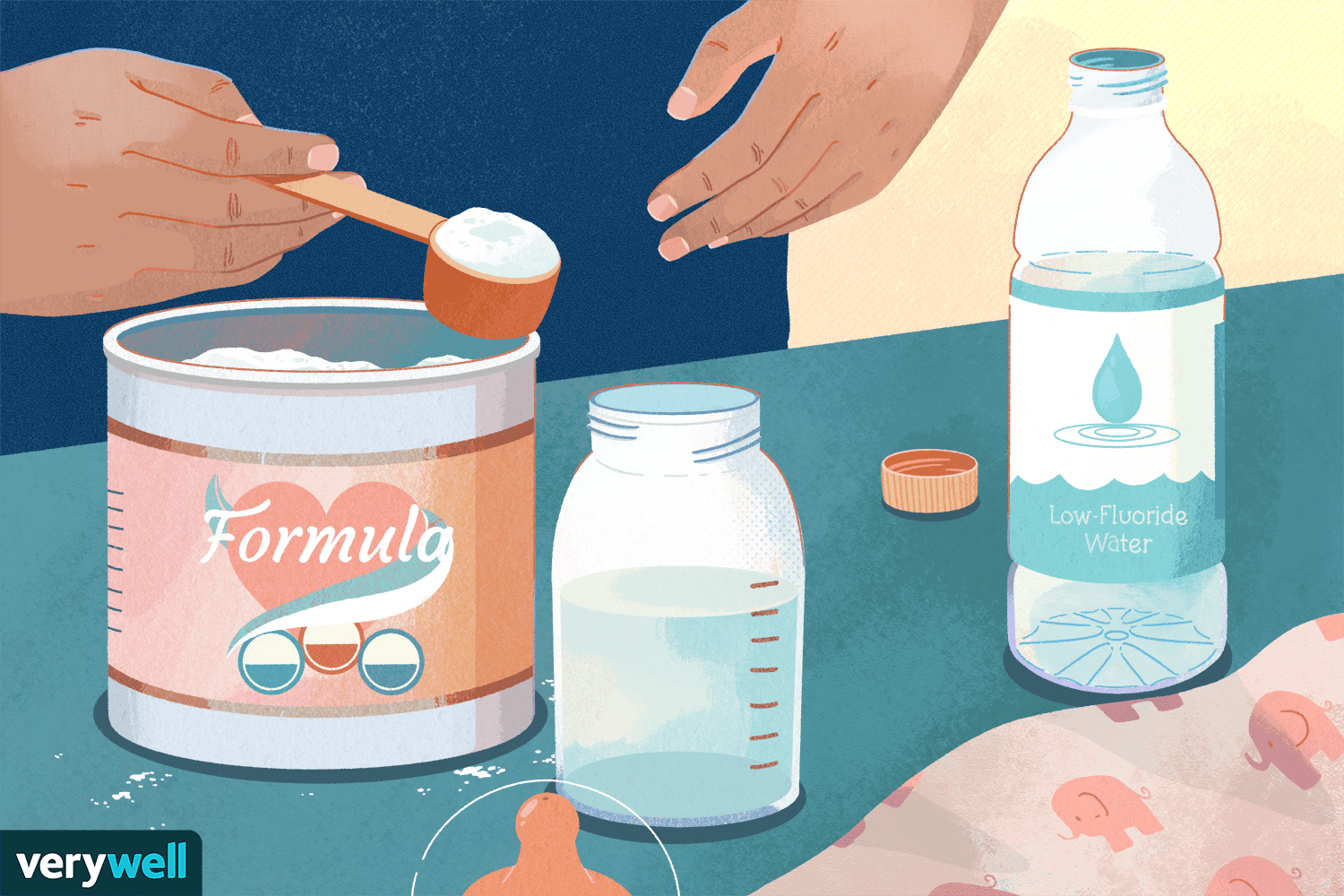
Feeding your baby is a momentous responsibility, and for many parents, choosing the right formula is a crucial part of that journey. In addition to selecting the appropriate formula type, it’s essential to consider the water used to prepare the formula. Ensuring the water is safe and suitable for your baby’s consumption is paramount. In this article, we’ll explore the considerations and guidelines for using water with various types of baby formula.
- Start with Clean and Safe Water:
Regardless of the type of baby formula you choose, your water should always be clean and safe. It’s recommended to use tap water that meets your region’s drinking water standards. If you have any doubts about the safety of your tap water, consult your local water authority for information and guidance.
- Boil and Cool the Water:
For infants under six months of age, boiling the water before using it for formula preparation is advisable. Boiling helps kill any potentially harmful microorganisms in the water. After boiling, allow the water to cool to room temperature before mixing it with the formula. Using hot water can damage the nutrients in the formula and may scald your baby.
- Use Water at the Right Temperature:
The water temperature plays a crucial role in preparing baby formula. Ideally, It should be around 98.6°F (37°C), approximately body temperature. This ensures the formula is neither too hot nor too cold for your baby’s sensitive digestive system. You can use a bottle warmer or simply let the boiled water cool naturally to achieve the right temperature.
- Avoid Bottled Water:
While it may seem convenient, using bottled water for formula preparation is generally discouraged. Bottled water can vary significantly in mineral content, and some may not be suitable for infant consumption. Additionally, it’s more cost-effective to use tap water and boil it as needed.
- Ready-to-Use Formula:
If you’re concerned about tap water quality or prefer a hassle-free option, you can opt for ready-to-use baby formula. These formulas come pre-mixed and require no additional water. They are a convenient choice for parents on the go or when access to clean water is limited.
- Formula-Specific Considerations:
Different types of baby formula may have specific water requirements:
Cow Milk Formula: Cow milk-based formula is the most commonly used type. It can generally be prepared with tap water that has been boiled and cooled. Ensure that the water is suitable for drinking and meets local safety standards.
Goat Milk Formula: Similar to cow milk, goat milk can be prepared with boiled and cooled tap water. Always prioritize the safety and cleanliness of the water.
Hypoallergenic Baby Formula: Hypoallergenic formulas are designed for babies with allergies or sensitivities. Follow the instructions provided on the formula packaging for water preparation. Some hypoallergenic formulas may require specific water types or temperature ranges, so adhering to those guidelines is essential.
In conclusion, choosing the proper water for baby formula is crucial to infant feeding. Regardless of the type of formula you select, clean and safe water is essential for your baby’s well-being. Always use tap water that meets drinking water standards, boil and cool it appropriately, and ensure the water is at the right temperature for formula mixing. By following these guidelines, you can provide your baby with a safe and nourishing feeding experience, regardless of whether you’re using cow, goat, or hypoallergenic baby formula.
